Hyderabad Real Estate in 2026: Where Prices Are and What Is Driving Them
Plots, villas, apartments and farm land in Hyderabad follow different price ladders. This guide sets out indicative bands by corridor as of October 2026, rents and yields, what is driving prices and the supply risks worth watching.

- Apartments range from about ₹5,200 per sq ft in Pocharam to ₹24,000 in Kokapet's Neopolis towers, indicative October 2026
- Released HMDA plots run from about ₹11,000 per sq yd in outer Shankarpally to over ₹1 lakh in Kokapet
- Villas split at roughly ₹3 crore: large western gated communities above, row villas on the north, east and south edges below
- Gross rental yields are typically 3–4% on apartments and 2–3% on villas; plots and farm land earn no rent
- Concentrated western handovers, announcement-led pricing in the south and lake-buffer enforcement are the risks to watch
| What | Indicative range | Note |
|---|---|---|
| Apartments, Gachibowli under-construction premium | ₹11,500 – ₹15,500 per sq ft | indicative, Oct 2026 |
| Apartments, Pocharam new gated project | ₹5,200 – ₹6,600 per sq ft | indicative, Oct 2026 |
| Villas, Tellapur independent gated villa | ₹9,500 – ₹14,500 per sq ft | indicative, Oct 2026 |
| Open plots, Kokapet released HMDA layout, 30–33 ft road | ₹75,000 – ₹1,05,000 per sq yd | indicative, Oct 2026 |
| Open plots, Shamirpet HMDA within 3 km of ORR exit | ₹20,000 – ₹35,000 per sq yd | indicative, Oct 2026 |
| Farm land, Shankarpally patta land, interior road | ₹1.1 Cr – ₹2 Cr per acre | indicative, Oct 2026 |
Ranges reflect recent transactions and advisor observation as of 2026-10. Always verify against the sub-registrar market value and the specific parcel.
The Hyderabad real estate market in 2026 is not one market. It is four: open plots, villas, apartments and farm land, each with its own price ladder, its own buyers and its own things that can go wrong. A 3 BHK in a Financial District tower and a 200 sq yd plot in a Shankarpally venture are both "Hyderabad property", but they respond to different forces and they will be resold to different people. This guide sets out where indicative prices sit as of October 2026, segment by segment, what is actually moving them, where the supply is piling up, and what the real risks are. Every band below is the same band you will find on our area pages, drawn from recent transactions and advisor observation, so the numbers agree across the site and you can click through to the detail.
Who this guide is for
It is for first-time buyers trying to decide which part of the city and which product type fits their budget, for upgraders weighing a villa against a larger flat, for investors who want to understand where Hyderabad sits in its cycle before committing, and for NRIs who are reading the market from abroad. It is not a forecast. Nobody can tell you what a Kokapet plot will be worth in 2030, and anyone who promises a number is selling something. What we can do is show you where prices are today and what is pushing on them.
What "the Hyderabad market" means in 2026
When people say Hyderabad, they usually mean the area inside and immediately around the Outer Ring Road, plus the growth corridors that run out from it into Rangareddy, Medchal-Malkajgiri, Sangareddy and Yadadri Bhuvanagiri districts. Within that sprawl, prices are shaped far more by direction and distance from employment than by any city-wide trend.
- West is the IT corridor: HITEC City, Gachibowli, the Financial District, Kokapet's Neopolis, and the belt beyond them through Narsingi, Tellapur, Kollur and Mokila. This is where the highest land values and the deepest new-launch pipeline sit.
- North runs along NH-44 and the Medchal and Shamirpet corridors: Kompally, Bachupally, Dundigal, Medchal and Shamirpet with Genome Valley behind it. Mid-market housing and approved plots at roughly half the western price.
- East follows the Warangal highway (NH-163) through Uppal, Pocharam and Ghatkesar, anchored by the IT campuses at Pocharam. Value housing and plots with a steadier, slower curve.
- South covers the airport at Shamshabad, the Adibatla aerospace and IT belt, Tukkuguda, Maheshwaram and the announced Future City area towards Kandukur. Prices here lean heavily on announced projects.
Older core localities such as Banjara Hills, Jubilee Hills, Begumpet and Secunderabad behave differently again: little new land, mostly redevelopment and boutique buildings, and prices that are set by scarcity more than by new infrastructure.
How prices are formed, and where to check them
There is no official market-price index for Hyderabad that a buyer can rely on for a specific property. You work from three kinds of evidence, and you should know what each one tells you.
Government guideline value
The Registration and Stamps Department publishes a guideline (market) value for every village and locality, which is the floor on which stamp duty is calculated. You can look it up on the Telangana registration portal. In most of the western corridor, guideline values sit well below transaction prices, so they tell you the minimum you will pay duty on, not what the property is worth. Our stamp duty and registration charges guide explains how the two interact.
Developer price lists and TS RERA filings
For new apartments and gated villas, the developer's price list sets the asking rate, and the project's registration on the TS RERA portal tells you the approved plan, the promoter's declared completion date and the quarterly progress updates. A project that is not registered, or whose updates have gone quiet, is a warning sign regardless of price. Our TS RERA apartment buyer's guide walks through what to read.
Recent transactions and advisor observation
For plots, resale homes and farm land, the real evidence is what comparable properties have actually registered at recently, adjusted for approval type, road width, frontage and title quality. This is the basis for every band on our site. It is also why our bands are ranges: two plots in the same village can differ by 30 to 40 percent because one is in a released HMDA layout on a 40 ft road and the other is a gram panchayat plot waiting for regularisation.
Land records sit underneath all of this. For any land or plot purchase you will check the record of rights on Dharani and Bhu Bharati, and for layouts the approval with HMDA or DTCP. None of that changes the price on the day, but it changes what you can resell.
Market snapshot: indicative bands as of October 2026
The table below compresses each segment into a few reference points. Follow the links in the sections that follow for the full band on each area page.
| Segment and location | Indicative band | What drives the spread |
|---|---|---|
| Apartments, Kokapet Neopolis ultra-luxury towers | ₹15,500 – ₹24,000 per sq ft | Tower, floor, view, brand |
| Apartments, Gachibowli under-construction premium | ₹11,500 – ₹15,500 per sq ft | Distance to Financial District, specification |
| Apartments, Tellapur under-construction | ₹7,800 – ₹10,500 per sq ft | Township scale, ORR access |
| Apartments, LB Nagar new gated high-rise | ₹7,000 – ₹8,800 per sq ft | Metro and highway proximity |
| Apartments, Pocharam new gated | ₹5,200 – ₹6,600 per sq ft | Campus belt versus outer edge |
| Villas, Kokapet independent gated | ₹13,500 – ₹22,000 per sq ft | Plot size, community, road width |
| Villas, Tellapur independent gated | ₹9,500 – ₹14,500 per sq ft | Township versus mid-sized community |
| Villas, Mokila independent gated | ₹8,000 – ₹12,500 per sq ft | Established versus newer community |
| Open plots, Kokapet released HMDA layout | ₹75,000 – ₹1,05,000 per sq yd | Road width, Neopolis proximity |
| Open plots, Shamirpet HMDA within 3 km of ORR | ₹20,000 – ₹35,000 per sq yd | Distance from exit |
| Open plots, Shadnagar DTCP 1–5 km off NH-44 | ₹8,000 – ₹16,000 per sq yd | Approval, highway distance |
| Farm land, Mokila patta land, interior road | ₹2.5 Cr – ₹4.5 Cr per acre | Frontage, water, zoning |
| Farm land, Vikarabad interior with working bore | ₹25 L – ₹50 L per acre | Access, borewell yield |
All figures are indicative, based on recent transactions and advisor observation as of October 2026. They exclude stamp duty, registration, GST and other charges, and they move. We re-verify on the day for any client purchase.
Open plots: the widest price ladder in the city
Plots are where Hyderabad's price range is most extreme. At the top, released HMDA layouts in Kokapet run from about ₹75,000 to ₹1,05,000 per sq yd on 30–33 ft roads, and plots on the Neopolis edge with 60 ft frontage can cross ₹1,40,000 to ₹2,20,000. Nanakramguda's approved fringe layouts sit around ₹1,40,000 to ₹2,00,000. One ring out, Tellapur HMDA plots trade at roughly ₹45,000 to ₹65,000, Kollur at ₹36,000 to ₹52,000 and Mokila at ₹32,000 to ₹48,000. By the time you reach outer Shankarpally villages, a released HMDA venture is about ₹11,000 to ₹18,000.
The north and east are flatter. New HMDA ventures on the Dulapally–Bahadurpally side of Kompally sit around ₹28,000 to ₹45,000, Medchal's town-edge ventures around ₹18,000 to ₹30,000, and plots near the ORR exit at Shamirpet around ₹20,000 to ₹35,000. In the east, HMDA plots in Narapally, Annojiguda or Chowdariguda near Pocharam run about ₹22,000 to ₹35,000. South of the city, villa-plot ventures within 3 km of the Tukkuguda exit are around ₹35,000 to ₹55,000 and HMDA plots near the Adibatla SEZ ₹32,000 to ₹50,000, while DTCP layouts towards Kandukur and Shadnagar drop to ₹8,000 to ₹20,000.
What is moving plot prices
Three things matter most. First, approval type: a released HMDA plot commonly costs 30 to 60 percent more than a gram panchayat plot in the same village, because it can be built on, financed and resold without argument. Second, the ripple from employment hubs: each time the inner ring of layouts near a campus or ORR exit becomes expensive, demand moves one or two villages further along the same road. Third, the Regional Ring Road and the Future City announcements, which have pulled speculative money into southern and outer villages well ahead of any construction.
The risk in plots is not usually the price. It is the paper: mortgaged plots not yet released by HMDA, layouts that encroach on a lake buffer, gram panchayat plots sold as "LRS done" when the application is still pending. Our corridor-by-corridor plot guide and the HMDA vs DTCP vs gram panchayat explainer go deeper.
Villas: two very different markets under one word
The villa segment splits sharply at roughly the ₹3 crore mark. Above it sit the large-format gated communities of the western corridor. Independent villas in Kokapet run about ₹13,500 to ₹22,000 per sq ft of built-up area, which on a 300 to 600 sq yd plot means tickets from roughly ₹6.5 crore to well over ₹20 crore. Narsingi's well-run communities sit at about ₹13,000 to ₹18,000 per sq ft and Gopanpally's large-format villas at ₹12,500 to ₹16,500. Tellapur brings independent villas into the ₹9,500 to ₹14,500 range, and Mokila and Kollur offer gated independent villas at roughly ₹7,500 to ₹12,500 per sq ft.
Below ₹3 crore, the villa market is mostly row villas, triplexes and smaller gated townships on the north, east and south edges. In Kompally, new row villas on 120 to 180 sq yd plots run about ₹1.3 crore to ₹2.1 crore. In Pocharam, row villas in new gated townships start around ₹85 lakh to ₹1.35 crore. Near the airport, Shamshabad row villas are roughly ₹95 lakh to ₹1.6 crore, and Adibatla HMDA-layout row villas about ₹68 lakh to ₹95 lakh.
What is moving villa prices
Villa prices in the west are essentially land prices with a house on top. When Neopolis auctions reset land values in Kokapet, villa rates in Narsingi, Gopanpally and Tellapur followed with a lag. In the east and north, villa prices are tied more closely to construction cost and to how many competing townships are launching at once. Rental yields on villas are low everywhere, typically 2 to 3 percent gross, so villas are owner-occupier and long-hold assets rather than income plays. Our villa versus apartment guide sets out the trade-off in detail.
Apartments: where most of the money and most of the supply is
New apartments are the deepest and most liquid segment, and the one where supply risk is most visible. Prices step down roughly with distance from the Financial District:
- Core IT corridor: under-construction premium high-rises in Gachibowli at about ₹11,500 to ₹15,500 per sq ft; Financial District new launches at ₹11,500 to ₹14,500; Kokapet luxury high-rises at ₹12,500 to ₹17,000 and the Neopolis ultra-luxury towers at ₹15,500 to ₹24,000.
- Second ring west: Kondapur under-construction gated projects at ₹9,500 to ₹13,000, Narsingi at ₹9,000 to ₹12,500, Tellapur at ₹7,800 to ₹10,500, Kollur at ₹6,800 to ₹8,500 and Mokila at ₹6,800 to ₹8,200.
- North-west: Kukatpally's new high-rises along the JNTU belt at ₹9,000 to ₹12,500, Miyapur at ₹7,000 to ₹9,500, Bachupally township projects at ₹6,200 to ₹8,000.
- North: Kompally new high-rises at ₹6,200 to ₹7,800.
- East: LB Nagar new gated high-rises near the junction at ₹7,000 to ₹8,800, Uppal at ₹6,000 to ₹7,800, Pocharam at ₹5,200 to ₹6,600 and Hayathnagar's NH-65 belt at ₹4,800 to ₹6,300.
- South and Sangareddy edge: Shamshabad's airport-approach projects at ₹5,800 to ₹7,200 and Patancheru's Muthangi belt at ₹5,200 to ₹6,800.
At the very top, new boutique buildings on Jubilee Hills' prime roads run ₹22,000 to ₹30,000 per sq ft, a reminder that the old core still commands the highest per-foot prices in the city even though it adds very little new stock.
What is moving apartment prices
Demand is driven by the IT and global capability centre workforce in the western corridor, and by upgraders across the city moving from older standalone buildings into gated communities. Supply is driven by land cost: once land in the west crossed tens of crores per acre, only high-rise, high-density projects made sense, which is why the skyline from Kokapet to Tellapur changed so fast. The result is a large under-construction pipeline in the west, much of it scheduled to hand over between 2026 and 2029. That pipeline is the single biggest thing for an apartment buyer to watch, because many simultaneous handovers in one micro-market can hold back resale prices and rents for a while.
Farm land: the outer ring, and who can buy it
Agricultural land around Hyderabad has repriced dramatically over the last decade, and the bands now depend almost entirely on distance from the ORR and road frontage. Close in, much of what is still recorded as agricultural land is really zoned residential and priced as development land: Kokapet parcels near Neopolis are indicatively ₹35 crore to ₹65 crore per acre, and Tellapur's township-belt land ₹14 crore to ₹26 crore.
Genuine farm land starts further out. Interior patta land in Mokila runs about ₹2.5 crore to ₹4.5 crore per acre, Moinabad and Shamirpet about ₹1.5 crore to ₹3 crore, Shankarpally about ₹1.1 crore to ₹2 crore, Kandukur's interior villages about ₹70 lakh to ₹1.6 crore, and Chevella about ₹55 lakh to ₹1 crore. Beyond 60 to 80 km, interior land in Vikarabad with a working bore is around ₹25 lakh to ₹50 lakh per acre and Yadadri villages on a BT road about ₹35 lakh to ₹70 lakh. Gated farm ventures sell in guntas (one-fortieth of an acre), from about ₹3 lakh per gunta near Chevella to ₹22 lakh in Mokila.
Two legal points shape this segment. NRIs and OCIs cannot buy agricultural land, plantations or farmhouses in India and cannot receive them as a gift; they can only inherit. And agricultural land registers at the mandal Tahsildar office under Dharani and Bhu Bharati, not at the SRO, with mutation in the same step. Our guide to farm land within 50 km of Hyderabad and the NRI agricultural land rules page cover both.
Rents and yields across segments
Hyderabad remains a capital-growth market more than an income market. Indicative monthly rents and the gross yields they imply:
| Property | Indicative rent | Indicative gross yield |
|---|---|---|
| 3 BHK, gated, semi-furnished, Financial District | ₹50,000 – ₹85,000 per month | About 3 – 4% |
| 3 BHK, new gated high-rise, Miyapur | ₹32,000 – ₹48,000 per month | About 3 – 4% |
| 2 BHK, gated community, LB Nagar | ₹17,000 – ₹25,000 per month | About 3 – 3.5% |
| 2 BHK, gated community, Kompally | ₹16,000 – ₹23,000 per month | About 3 – 3.5% |
| 4 BHK independent villa, Tellapur mid-sized community | ₹90,000 – ₹1.5 L per month | About 2 – 3% |
| Furnished 4–5 BHK villa, Kokapet gated community | ₹2 L – ₹4 L per month | About 2 – 3% |
Yields are gross, before maintenance, property tax, vacancy and brokerage. Plots and farm land produce no rent at all, so their entire return depends on appreciation and on a clean exit.
What is actually driving prices in 2026
Employment in the western corridor
The single strongest driver remains office employment in HITEC City, Gachibowli, the Financial District and Kokapet. Global capability centres and IT services firms have kept absorbing office space, and housing demand follows office leasing with a lag. When you look at why Tellapur or Kollur apartments trade where they do, the answer is mostly commute time to these offices.
The Outer Ring Road and its exits
The ORR turned villages 20 to 30 km from the centre into 30 to 40 minute commutes. Every interchange, from Kollur and Patancheru in the west to Shamirpet in the north, Ghatkesar in the east and Tukkuguda in the south, has its own ring of layouts priced off that exit. Distance from the nearest exit still explains a large part of plot and farm land pricing.
The Regional Ring Road
The proposed Regional Ring Road, roughly 50 to 70 km from the centre, has done to outer villages what the ORR did a decade earlier, at least in asking prices. Construction timelines and final alignments vary by segment, and parts of the land-acquisition process are still under way. Treat any price premium for "RRR proximity" as speculative until the alignment through that village is notified and construction is visible. Our Regional Ring Road land guide explains how to check.
Future City and the south
The state's Future City plans for the area south of the airport, around Kandukur, Mucherla and the former Pharma City lands, have lifted asking prices across Kandukur, Maheshwaram and the Srisailam highway villages. Some infrastructure is being planned and announced; much of the residential demand that would justify current asking prices is still in the future. Our Future City and Pharma City guide separates what is announced from what is built.
GO 111 repeal
The 2023 replacement of GO 111, which had restricted development in the catchment of Osman Sagar and Himayat Sagar, opened a large area around Shamshabad, Moinabad and Gandipet to potential development. In practice, master-plan zoning, lake protection rules and fresh regulations still govern what can be built, and prices in former GO 111 villages remain uneven. See our GO 111 explainer.
Lake protection enforcement
Since 2024, HYDRAA and other authorities have taken visible action against structures in lake full-tank-level areas and buffers. This has made buyers far more careful about FTL and buffer checks, and it has introduced real risk to properties near tanks and nalas. It is a reason to verify, not a reason to panic. Our lake FTL and buffer zone guide shows what to check.
Supply, inventory and the risks we watch
Five risks deserve attention in 2026, and none of them is "the market will crash", which is not a useful way to think about property.
- Concentrated handovers. The western corridor has a large number of high-rise projects scheduled for completion over the next three years. In micro-markets where many towers hand over together, resale prices and rents can plateau while the new stock is absorbed.
- Delivery risk. Under-construction purchases carry the risk that a promoter slows down. Check TS RERA quarterly updates and visit the site, not just the sales lounge.
- Announcement-led pricing. In the south and on the RRR belt, asking prices in some villages assume infrastructure that has not yet been built. Price what exists, and treat the rest as optional upside.
- Title and approval risk. The fastest-growing villages also have the most layouts sold before approvals were complete. The bigger the price jump, the more carefully the paper must be checked.
- Interest rates and lending. Home-loan rates and lender appetite for plot loans affect how much buyers can stretch. Our plot loan versus home loan guide explains the differences in loan-to-value and tax treatment.
Reading the market for your own purchase: steps, timelines and costs
Here is the sequence we follow with clients, with the time and cost each step usually takes.
| Step | What happens | Typical time | Indicative cost |
|---|---|---|---|
| 1. Define budget and holding period | All-in budget including about 7.5% stamp duty and registration and, for new flats, GST | 1 week | Nil |
| 2. Choose corridor and segment | Match commute, school and resale needs to a corridor | 1–2 weeks | Nil |
| 3. Shortlist and price check | Compare 4–6 options against recent transactions and guideline value | 2–3 weeks | Site-visit travel |
| 4. Legal and approval due diligence | EC for 30 years, link documents, HMDA/DTCP or TS RERA approvals, FTL and zoning check | 1–3 weeks | Advocate fees, typically ₹15,000 – ₹50,000 |
| 5. Negotiation and agreement | Price, payment schedule, possession and penalty clauses | 1–2 weeks | Agreement stamp duty as applicable |
| 6. Loan sanction (if any) | Lender's legal and technical check | 2–4 weeks | Processing fee, often up to about 0.5% of loan |
| 7. Registration | Slot booking, stamp duty and fees, biometrics at the SRO or Tahsildar office | 1 day plus preparation | About 7.5% of the higher of guideline or sale value: 5.5% stamp duty, 1.5% transfer duty, 0.5% registration fee (verify) |
| 8. Post-registration | Mutation, property tax and utility transfers | 2–8 weeks | Nominal fees |
Rates and fees are approximate as of October 2026; verify current figures at the SRO. In gram panchayat areas the split is 5.5% stamp duty and 2% registration fee with no transfer duty, so the total is still about 7.5%. On purchases above ₹50 lakh of urban or converted property, the buyer deducts 1% TDS under Section 194-IA from a resident seller. Rural agricultural land is outside that provision, and buying from an NRI seller triggers a different, higher deduction under Section 195; our guide to TDS on purchase from an NRI seller explains the mechanics.
Worked example: three ways to spend ₹1.6 crore
A couple working in the Financial District has an all-in budget of about ₹1.6 crore and plans to hold for at least ten years. Here is how the same money looks in three segments, using the bands above.
Option A: a 3 BHK under construction in Tellapur
A 1,550 sq ft flat at ₹9,000 per sq ft costs about ₹1.40 crore. GST at 5% on an under-construction home adds about ₹7 lakh. Stamp duty, transfer duty and registration at roughly 7.5% add about ₹10.5 lakh on the registered value. Car parking and corpus charges vary by project. Total: about ₹1.57 crore, with handover typically 30 to 42 months out. The buyer deducts 1% TDS, about ₹1.4 lakh, from payments to the developer. Expected rent at handover in the region of ₹40,000 to ₹55,000 a month.
Option B: an HMDA plot in Mokila, build later
A 267 sq yd released HMDA plot at ₹40,000 per sq yd costs about ₹1.07 crore. Charges at roughly 7.5% add about ₹8 lakh. That leaves around ₹45 lakh, not enough to build a 3,000 sq ft home at ₹2,800 to ₹5,000 per sq ft, so the couple would rent for now and build in a few years. No rent, no GST, more freedom of design, and the land is the whole asset.
Option C: a gated row villa on the east or south edge
A row villa in a new Pocharam township at about ₹1.3 crore to ₹1.35 crore, or in Shamshabad at around ₹1.4 crore to ₹1.48 crore, plus roughly 7.5% in charges, fits the budget. The commute to the Financial District is long from Pocharam and moderate from Shamshabad via the ORR. The couple gets a house today, but in a corridor with a slower appreciation curve than the west.
None of these is "the right answer". A is the most liquid and rentable, B carries the most upside and the most patience, C delivers space now at the cost of commute. That is the real shape of the 2026 market: the trade-off is between commute, liquidity, space and time, not between a good and a bad area.
Mistakes we see in practice, and the fix
- Treating a launch price as the market price. Launch rates are what the developer wants. Fix: compare against recent resale registrations in completed projects nearby.
- Confusing guideline value with market value. In the west, guideline value is often far below the deal price; in some outer villages it can be close to it. Fix: look up both, and budget stamp duty on the higher.
- Paying for infrastructure that has not been built. RRR or Future City proximity is quoted as if it were a finished road. Fix: price the property on what exists today and treat announcements as possible upside.
- Skipping the lake and nala check. Buyers assume an approved layout cannot be in a buffer. Fix: overlay the survey number on lake FTL maps and the master plan before paying any advance.
- Buying a gram panchayat plot sold as "LRS done". Fix: see the regularisation proceedings, not just an application receipt. Our LRS guide explains what a completed file looks like.
- Ignoring holding costs. A plot with no rent, a loan and annual property tax costs real money every year. Fix: model at least five years of carrying cost before comparing options.
- NRIs buying farm land through a relative. It is not permitted, and nominee arrangements create legal risk for everyone involved. Fix: look at residential plots, villas or apartments instead; see our NRI investment guide.
How NRR Estates handles this for clients
We start with your budget, commute and holding period, then narrow the city to one or two corridors before we show you a single property. Each shortlist comes with the indicative band for that micro-market, the guideline value, and our view of where the specific property sits in that band and why. Our advocates check title, approvals, encumbrances and lake and zoning maps before any advance moves. We negotiate, coordinate the loan if you need one, book the registration slot at the correct SRO or Tahsildar office, and follow through on mutation and tax transfers. For NRIs, we handle the power of attorney, NRE or NRO fund flow and TDS paperwork with your CA. Our fee is disclosed before you commit to anything.
Hyderabad real estate in 2026: questions buyers ask
Are property prices in Hyderabad still rising in 2026?
Prices in most corridors are higher than they were two or three years ago, but the pace differs sharply by segment and micro-market. Western land and villa prices have moved fastest, while apartment prices in areas with heavy new supply have been steadier. We do not forecast, because nobody can reliably predict a specific property's value. What we can show you is the current indicative band for the area you are considering, recent comparable transactions, and the specific supply and infrastructure factors that could push that micro-market up or hold it back.
Which part of Hyderabad is best for buying property in 2026?
There is no single best area, only a best fit for your budget, commute and holding period. If you work in the Financial District and want to live close by, Kokapet, Narsingi, Tellapur and Kollur are the natural choices at different price points. If you want more space for the money, the north around Kompally and Bachupally, or the east around Pocharam and Uppal, offer gated homes at roughly half the western rate. The south suits airport and Adibatla workers and patient investors who accept announcement-led pricing.
What is the average price per sq ft for apartments in Hyderabad?
A single average hides more than it shows. As of October 2026, indicative new-apartment rates run from about ₹4,800 to ₹6,300 per sq ft on Hayathnagar's NH-65 belt and ₹5,200 to ₹6,600 in Pocharam, through ₹7,800 to ₹10,500 in Tellapur and ₹9,500 to ₹13,000 in Kondapur, up to ₹11,500 to ₹15,500 in Gachibowli and ₹15,500 to ₹24,000 in Kokapet's ultra-luxury towers. Resale flats in older gated communities usually trade below new launches in the same area. Always compare like for like: age, floor, amenities and OC status.
Is it better to buy a plot or an apartment in Hyderabad right now?
It depends on what you need the property to do. An apartment in an established corridor is easier to rent, finance and resell, and you can live in it on handover. A plot carries no rent and no GST, gives you full control over what you build, and in a growing corridor has historically offered more land appreciation, but it ties up money with no income and its value depends heavily on clean approvals. Our worked example in this guide compares the same budget across a Tellapur flat, a Mokila plot and an east-side row villa.
How do the Regional Ring Road and Future City affect land prices?
Both have raised asking prices in outer villages well ahead of construction. The Regional Ring Road alignment and acquisition are progressing segment by segment, and Future City planning south of the airport is at different stages for different components. We advise clients to price land on the access, water and approvals that exist today and to treat announced infrastructure as possible upside rather than a certainty. Before paying a premium for proximity, confirm the notified alignment or plan for that specific survey number, and check that the land is not itself earmarked for acquisition.
What rental yield can I expect from Hyderabad property?
Gross yields on apartments are typically around 3 to 4 percent in well-connected gated communities, for example a 3 BHK in the Financial District renting for ₹50,000 to ₹85,000 a month. Villas usually yield 2 to 3 percent because their prices carry a large land component. Plots and farm land produce no rent. Net yields are lower once you deduct maintenance, property tax, vacancy periods and letting costs. Hyderabad has historically rewarded buyers more through capital growth than income, so choose property you are comfortable holding for the long term.
Can NRIs buy property in Hyderabad in 2026?
Yes. NRIs and OCIs can buy residential and commercial property, including apartments, villas and residential plots, without RBI approval, paying from NRE, NRO or FCNR accounts or inward remittance. They cannot buy agricultural land, plantations or farmhouses, and cannot receive them as a gift, though they can inherit them. Repatriation of sale proceeds is allowed within limits, and a resident buyer of an NRI's property must deduct TDS under Section 195. Many NRIs complete purchases through a registered power of attorney. Please take advice from a CA on your own tax position.
How does NRR Estates arrive at its price ranges?
Our bands come from recent transactions we have seen or been part of, conversations with registrars, developers and landowners, and advisor observation on the ground, cross-checked against government guideline values. They are deliberately ranges, because approval type, road width, frontage, plot shape, title quality and building age move prices significantly within the same village or locality. Every page on our site states its bands as indicative and dated. For any client purchase, we re-verify the band for that specific property and micro-market on the day, and we tell you where in the range we think it should sit.
Related guides
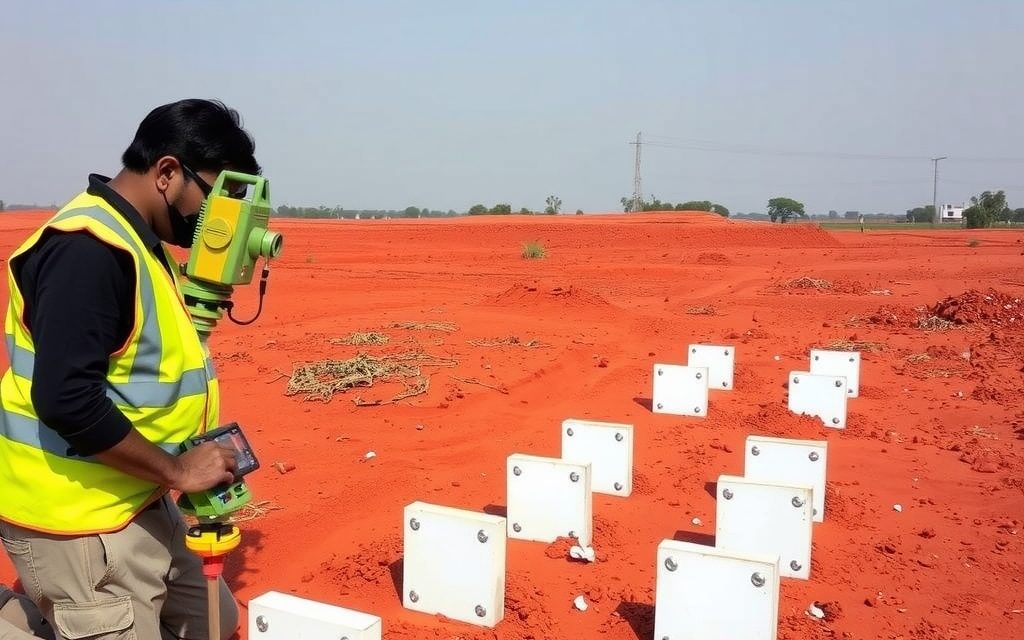
Hyderabad's plot market runs along four corridors with very different price ladders and approval risks. This guide compares west, north, east and south on per sq yd bands, drivers, risks and resale liquidity.
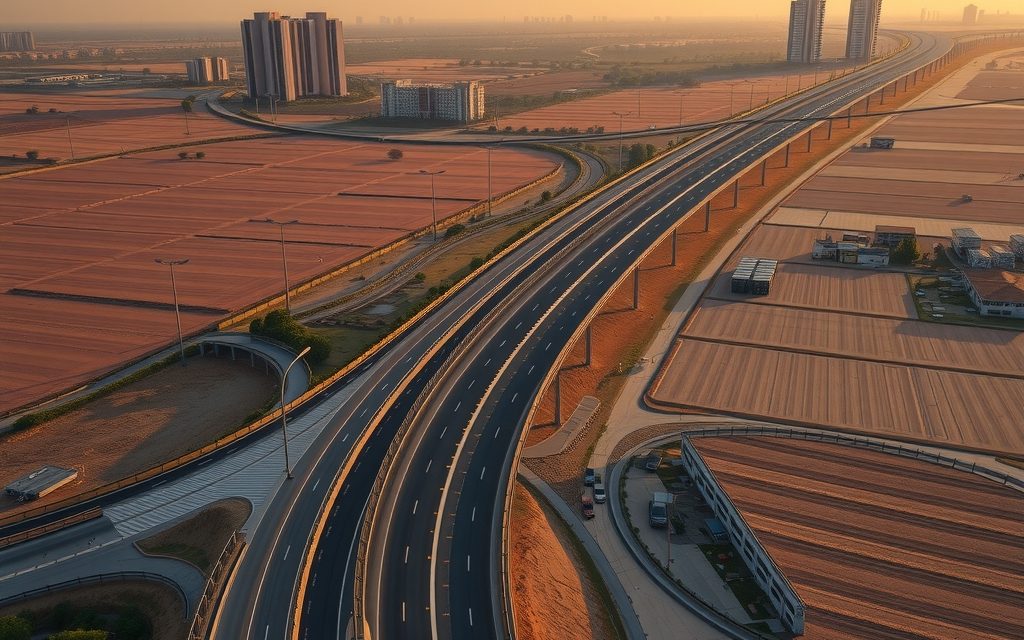
Villa or apartment? With the same ₹2 crore over ten years, the two can finish surprisingly close. This guide compares land share, running costs, rental yield, resale liquidity and lifestyle with real Hyderabad numbers.
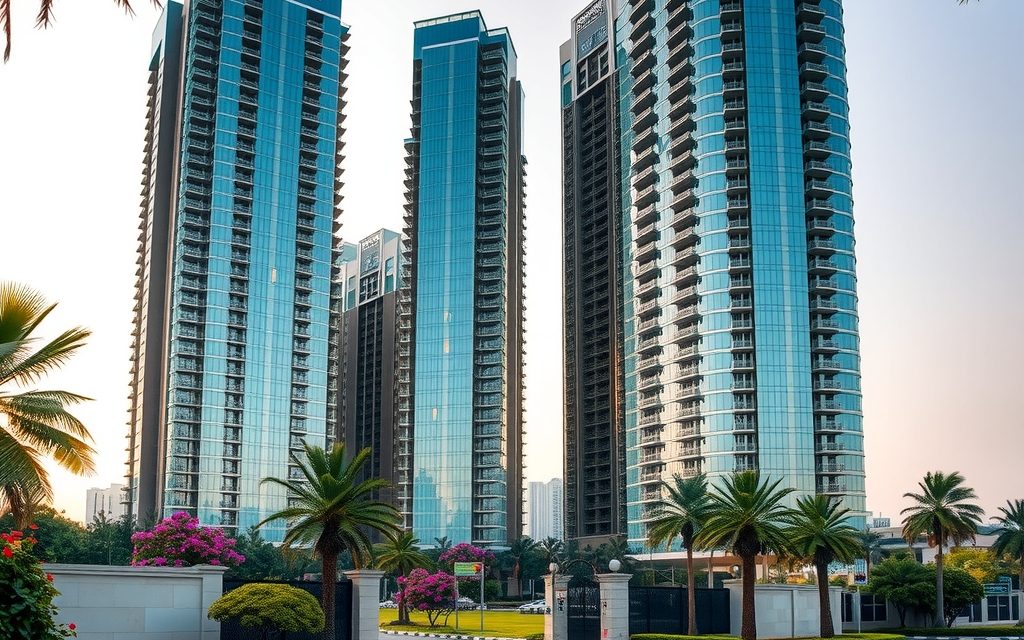
Gachibowli puts you minutes from the Financial District, DLF Cybercity and the ORR. Indicative per-sq-ft bands, BHK ticket sizes, TS RERA checks and rental yields for new and under-construction flats.
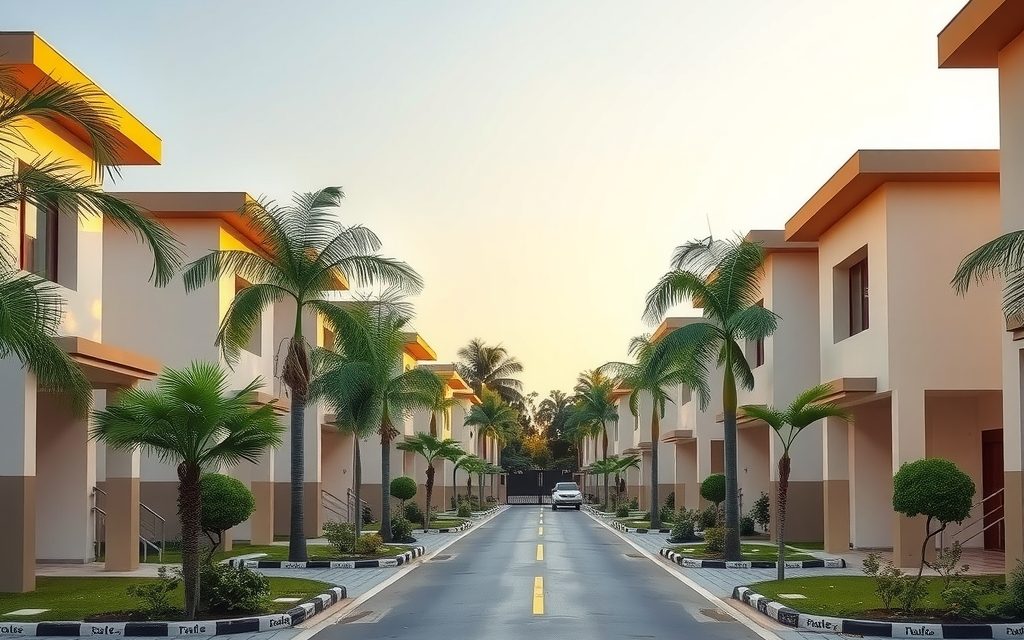
Tellapur is west Hyderabad's busiest villa belt: township-scale gated communities, row and independent villas from about ₹2.2 crore, Meru International School nearby and a 25–40 minute run to Gachibowli.
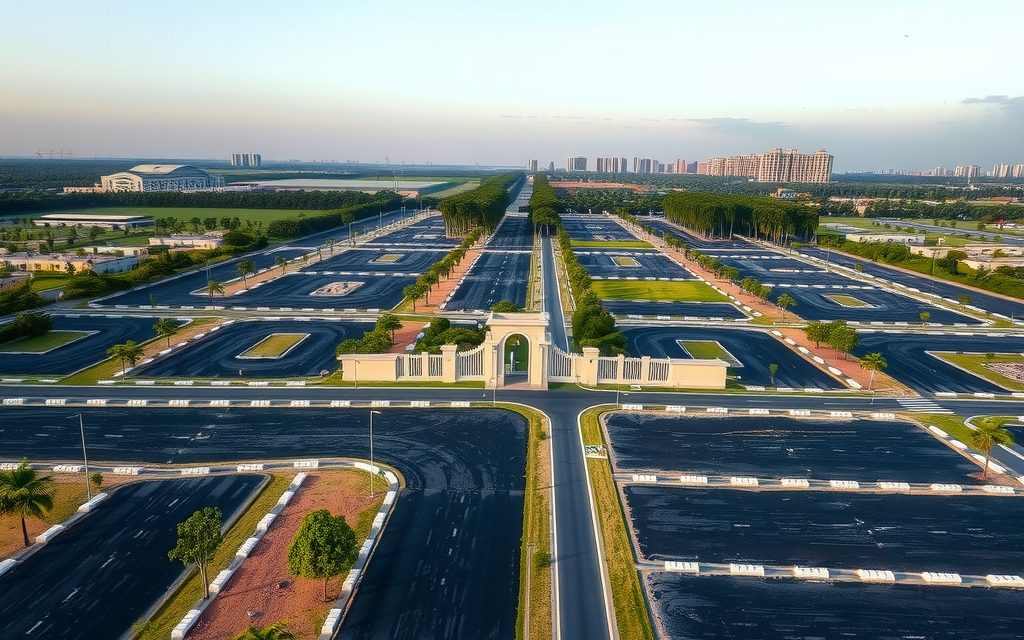
Kokapet's plots sit beside the Neopolis towers and the ORR, minutes from the Financial District. Indicative rates, HMDA versus GP approvals, legal checks and registration costs for buyers and NRIs.

About ten farm belts sit within roughly 50 km of Hyderabad, and interior land ranges from about ₹30 L to ₹4.5 Cr an acre. This map compares them on price, drive time, water and title risk.

Kokapet, Tellapur and Mokila sit on the same western growth line but sell very different villas. We compare indicative rates, tickets, commute, supply, approvals and rents as of October 2026, and who each belt suits.

What NRIs and OCIs can and cannot buy under FEMA, how to fund and register a purchase from abroad, TDS and repatriation basics, and where the opportunities are across Hyderabad and the Telangana districts.