GO 111 and Its Repeal: What Changed for Land Around Osman Sagar and Himayat Sagar
GO 111 protected the Osman Sagar and Himayat Sagar catchment across 84 villages from 1996 until GO 69 withdrew it in 2022. What changed, what is still restricted, how the repeal moved prices, and how to verify a parcel.

- GO 111 (1996) restricted development within 10 km of the Osman Sagar and Himayat Sagar FTL across 84 villages
- GO 69 withdrew it in April 2022; replacement regulations and master plan changes are still being finalised as of October 2026
- Reservoir and lake FTL and buffer protections apply regardless of the repeal, and enforcement has tightened since 2024
- Much of today's per-acre price in the former zone is option value on future approvals, not farmland value
- Structures built in breach of GO 111 were not regularised by the repeal
| What | Indicative range | Note |
|---|---|---|
| Patta farm land, Moinabad interior villages | ₹1.5 Cr – ₹3 Cr per acre | indicative, Oct 2026 |
| Frontage land, Chilkur road or highway, Moinabad | ₹4 Cr – ₹8 Cr per acre | indicative, Oct 2026 |
| Patta farm land, Shankarpally side villages | ₹1.1 Cr – ₹2 Cr per acre | indicative, Oct 2026 |
| Farm and farmhouse parcels, Gandipet side near ORR | ₹4 Cr – ₹10 Cr+ per acre | thin market, deal-specific |
| HMDA plots in Kokapet, outside the zone | ₹75,000 – ₹1,40,000 per sq yd | indicative, Oct 2026 |
| Registration of a sale (stamp duty, transfer duty, fee) | About 7.5% of market value | verify current rates |
Ranges reflect recent transactions and advisor observation as of 2026-10. Always verify against the sub-registrar market value and the specific parcel.
For almost three decades, two words decided what could be built across a huge arc of land south-west of Hyderabad: GO 111. The 1996 government order protected the catchment of Osman Sagar and Himayat Sagar, the twin reservoirs better known as Gandipet and Himayat Sagar, by keeping large-scale construction out of 84 villages. Then, in April 2022, the Telangana government withdrew it. Prices in Moinabad, Shankarpally and the Gandipet side jumped on the news, brochures began promising "post GO 111 villas", and buyers have been asking us the same question ever since: what exactly changed, and what can I legally do with land in the former GO 111 Hyderabad villages today? The honest answer, as of October 2026, is that the order is gone but the replacement framework is still being settled, the matter is before the High Court, and every survey number has to be checked on its own merits. This guide explains the history, the repeal, what is and is not permitted in practice, how the change has shaped land prices, and how we verify a parcel for clients.
We are property advisors, not lawyers. The legal position on GO 111 is evolving, so read this as the position as we understand it in October 2026, and take a written legal opinion on any specific parcel before you commit money.
Who this guide is for
This guide is for buyers looking at farm land, farmhouse land, villa plots or gated villa communities in Moinabad, Shankarpally, Gandipet, Shamshabad and Chevella mandals, for families who have held land in these villages for years and want to know whether it can now be developed, and for NRIs who keep being offered "post GO 111" plots. If you are buying in Kokapet's Neopolis or the Financial District, the order never applied directly to you, but it still shaped your neighbourhood's prices, so the price section is worth reading.
What GO 111 was and why it mattered
Osman Sagar was built across the Musi in the early 1920s and Himayat Sagar across its tributary, the Esi, later in the same decade, after the catastrophic Musi flood of 1908. For most of the twentieth century they supplied Hyderabad's drinking water by gravity. To protect them, the government issued GO Ms No 111 in March 1996. Its core idea was simple: within a 10 km radius of the full tank level of the two reservoirs, development that could pollute the water or reduce the inflow would be kept out.
In practice, GO 111:
- Prohibited polluting industries, major hotels and large residential colonies within the 10 km catchment zone.
- Required the bulk of the catchment, commonly cited as 90% of the area, to remain in conservation, recreational or agricultural use.
- Limited permissible construction to a small fraction of land area, widely described as about 10% built-up coverage, which made conventional layouts and apartment projects unviable.
- Covered 84 villages and roughly 1.3 lakh acres, as commonly reported, mostly in today's Rangareddy district.
The courts treated reservoir protection seriously. In litigation over an industry proposed within the catchment in the late 1990s, the Supreme Court took a strongly protective view of drinking water sources, and for years that stance discouraged attempts to dilute the order. The result was a visible line on the map: dense towers and gated communities in Kokapet, Narsingi and the Financial District on one side, farmhouses, function halls, orchards and open fields on the other.
The gap between the order and the ground
GO 111 never stopped construction entirely. Over 25 years, the catchment filled with farmhouses, compound walls, resorts, educational campuses and function halls, many without permission or with permissions that are now contested. Land kept trading, mostly as agricultural land and "farm plots", at prices far below the adjoining approved areas. That history matters for buyers today, because a structure built in breach of GO 111 was not regularised by the repeal.
Which villages and mandals were covered
The 84 villages are spread over several mandals of Rangareddy district, principally Moinabad, Shamshabad, Shankarpally, Gandipet (carved out of Rajendranagar), Chevella and Shabad. Well-known villages inside or partly inside the zone include Aziznagar, Himayatnagar, Chilkur and Kanaka Mamidi on the Moinabad side and Janwada on the Shankarpally side. Some villages lie partly inside and partly outside the 10 km line, which is why the village name alone is never enough.
To check whether a parcel was in the zone, we use three sources together: the village list annexed to the order, the land-use maps of the HMDA master plan (which show the reservoir catchment as a distinct zone), and a survey-number-level overlay using the revenue sketch. HMDA's master plan maps and notifications are available on the HMDA website; reading them correctly against a field map is a job for someone who does it regularly.
How the repeal unfolded: GO 69 and after
April 2022: GO 69
In April 2022 the government issued GO Ms No 69, withdrawing GO 111. The reasoning offered was that the reservoirs no longer met a significant share of the city's drinking water demand, which now comes mainly from the Krishna and Godavari schemes, and that the reservoirs could be protected through targeted measures rather than a blanket restriction. The order constituted a high-level committee to frame fresh regulations for protecting water quality, covering issues such as sewage treatment, preventing contaminated inflows, and green or no-development zones near the water.
2023: the cabinet decision
In May 2023 the state cabinet was reported to have decided on full annulment, with the regulations applicable to other villages in the HMDA area to apply to the 84 villages. That decision was widely reported as the moment the villages became "normal" HMDA villages. In practice, applying HMDA rules still requires the master plan land use for each parcel to permit what you want to build, and the existing master plan was drawn with the catchment restrictions in mind.
2024 to 2026: courts, committees and enforcement
Public interest litigation challenging the repeal and alleging violations in the catchment has been pending before the Telangana High Court; in December 2025 the court fined the state for delay in filing its counter in one such matter. In August 2026, reports said a high power committee report proposing to ease restrictions with strict safeguards around the reservoirs was to be placed before the cabinet. Meanwhile, HYDRAA, the city's asset-protection agency formed in 2024, has acted against encroachments on lake beds and buffers in the wider area, and the reservoir boundaries themselves are firmly within that enforcement focus.
The net position, as of October 2026: GO 111 is withdrawn on paper; the detailed replacement regulations and master plan changes are still being finalised; litigation is pending; and the reservoir full tank level and buffer protections continue to apply regardless. Verify the current status on the day you buy, because any of these three can change.
What you can and cannot build in the former GO 111 villages today
Buyers want a list. A list would be misleading, because permissibility depends on the survey number, its master plan land use, its distance from the reservoirs and lakes, and its revenue status. What we can give you is the pattern we see in practice.
Generally possible, subject to checks
- Holding and cultivating agricultural land. This was always lawful and remains so. Registration of unconverted agricultural land happens at the mandal Tahsildar office with mutation in the same step.
- Agricultural improvements. Fencing, borewells, drip irrigation and orchards, within the rules for agricultural land.
- Applying for conversion and permissions. NALA conversion and layout or building permission applications can be made, but outcomes depend on land use and current processing policy; our guide to NALA conversion in Telangana covers the conversion step.
Possible only with specific approvals in hand
- A house or farmhouse. A dwelling on agricultural land needs the appropriate permission; a farmhouse built without it is an unauthorised structure, and the repeal did not regularise earlier unauthorised construction.
- Villa layouts and gated communities. These need NALA conversion, an approved layout from HMDA, and TS RERA registration where the size thresholds apply. "Post GO 111" is not an approval. Ask for the layout permit number and the RERA number.
Not possible, repeal or no repeal
- Construction inside the full tank level of Osman Sagar, Himayat Sagar or any other lake or kunta in the area, or inside the prescribed buffer. Our guide to lake FTL and buffer zones and HYDRAA explains how buffers are measured.
- Construction on nalas and their buffers, government land, assigned land, or land on the Section 22-A prohibited list.
- For NRIs and OCIs, purchase or gift of agricultural land, plantation property or a farmhouse, which FEMA bars everywhere in India. See our guide on NRI agricultural land rules.
Step by step: verifying a parcel in the former GO 111 area
Here is the sequence we follow before a client pays an advance in these villages. Timelines and costs are indicative as of October 2026.
| Step | What we check | Typical time | Indicative cost |
|---|---|---|---|
| 1. Zone check | Village list, HMDA master plan land use, survey-number overlay against the 10 km line | 2 to 5 days | Part of advisory fee |
| 2. Water-body screen | Distance from reservoir FTL, other lakes, kuntas and nalas; buffer applicability | 3 to 7 days | Surveyor visit ₹10,000 – ₹30,000 |
| 3. Revenue record | Bhu Bharati record of rights, pattadar passbook, pahani history, 22-A and assigned land status | 3 to 10 days | Certified copies, nominal |
| 4. Title chain | 30-year EC and link documents through an advocate | 1 to 3 weeks | Legal fee ₹25,000 – ₹75,000 |
| 5. Structure check | Any existing farmhouse, wall or shed: was it permitted, is it within any buffer? | 1 week | Included in survey and legal review |
| 6. Use-case test | If you plan conversion, layout or construction: likely route, timelines and risks in writing | 1 to 2 weeks | Planning consultant, if needed |
| 7. Registration | Agricultural land at the Tahsildar office; converted plots and villas at the jurisdictional SRO | Slot-based, usually within days | About 7.5% of market value (stamp, transfer duty, fee), verify current rates |
How the repeal has shaped land prices
GO 111 was a giant price suppressor, and its withdrawal unlocked a re-rating that is still playing out. The broad pattern, based on recent transactions and advisor observation as of October 2026:
| Belt | Typical product | Indicative price, Oct 2026 | What the repeal did |
|---|---|---|---|
| Moinabad interior villages | Patta farm land, 1–5 acres | ₹1.5 Cr – ₹3 Cr per acre | Sharp re-rating in 2022; since then, gains tied to individual parcels' approval prospects |
| Moinabad, Chilkur road or highway frontage | Frontage farm land | ₹4 Cr – ₹8 Cr per acre | Priced on future commercial or layout use, not farming |
| Shankarpally side villages | Patta farm land | ₹1.1 Cr – ₹2 Cr per acre | Moderate uplift; partly in, partly out of the zone |
| Gandipet side, closest to ORR | Farm land and farmhouse parcels | Wide, deal-specific; often ₹4 Cr – ₹10 Cr+ per acre | Thin market, strongly speculative pricing |
| Kokapet, outside the zone | HMDA plots, 30–60 ft roads | ₹75,000 – ₹1,40,000 per sq yd | Long benefited from the restriction; repeal adds future supply on its western edge |
Reading these numbers
Before 2022, land a few kilometres inside the line traded at a fraction of land just outside it. The repeal closed part of that gap overnight, and sellers have since priced in the assumption that most of the catchment will eventually be developable. Two things follow. First, a large share of today's per-acre price in the former zone is option value, the expected value of future approvals, rather than the value of the land as farmland. Second, the gap between parcels that can realistically get layout approval and those that cannot is widening. Frontage, road access, distance from water bodies and clean revenue records separate the two.
For Kokapet and Neopolis, the restriction protected scarcity. The repeal does not threaten those values in the short term, because the infrastructure, roads and social amenities are concentrated there, but it does mean the long-run supply ceiling on the western edge has been lifted. For current price bands see our guides to open plots in Kokapet, villas in Gandipet and agriculture land in Moinabad.
Worked example: two acres off the Chilkur road
A Hyderabad-based client, a resident Indian, was offered two acres of patta land in a Moinabad village about 3 km off the Chilkur road at ₹2.6 Cr per acre, ₹5.2 Cr in all. The seller's pitch was that the land was "post GO 111" and that a villa layout would sell plots at ₹30,000 per sq yd.
What the land is worth as farmland
Interior patta land in comparable villages, with similar access and water, traded in a band of roughly ₹1.5 Cr to ₹3 Cr per acre in recent transactions. At ₹2.6 Cr the asking price sat near the top of that band, so the seller was already charging for the development story.
What the layout story implies
- Two acres is about 9,680 sq yd. After roads, open space and amenities, a residential layout typically yields 55% to 60% as saleable plots: roughly 5,300 to 5,800 sq yd.
- At ₹30,000 per sq yd, gross plot sales of ₹16 Cr to ₹17 Cr look spectacular against a ₹5.2 Cr purchase.
- But that requires NALA conversion, HMDA layout approval in a former catchment village, development spending on roads, drains and services, TS RERA registration, and two to four years of time, all before the first plot sells.
What our checks found
The survey-number overlay showed the land was well inside the old 10 km zone. The water-body screen showed a kunta about 150 metres away whose FTL boundary had not been finally notified. The revenue record was clean. The existing master plan land use was not residential. In other words, the land was legally buyable as farmland, but the layout case depended on a land-use change, the catchment regulations still being finalised, and the treatment of the nearby kunta.
The decision
We advised the client to value the land as farmland plus a modest option premium, not as a layout. We negotiated the price to ₹2.25 Cr per acre, with the advance released only after the advocate's title opinion. The client bought it as a long-hold land bank with a mango orchard, accepting that layout approval might take years or not come at all. That is the right frame for most parcels in the former GO 111 villages today.
Mistakes we see in practice, and the fix
- Treating "post GO 111" as an approval. It is a description of history. Fix: ask for the HMDA layout permit number, the NALA order and the TS RERA number, and verify each.
- Buying an existing farmhouse as if it were a legal house. Many farmhouses in the catchment were built without permission. Fix: ask for the building permission; if there is none, value the structure as at risk and the land as agricultural.
- Ignoring the reservoir and lake buffers. The repeal did not touch FTL and buffer protections, and enforcement has become stricter. Fix: get a licensed surveyor to plot the parcel against FTL and buffer lines before advance.
- Paying layout prices for farm land. Sellers quote the final plot price and work backwards. Fix: value the land on comparable farmland transactions and add only a measured premium for approval prospects.
- Relying on a village name. Some villages straddle the old line. Fix: run the check at survey-number level.
- Buying through an NRI workaround. NRIs are offered farm plots or "development rights" in the catchment. Fix: agricultural land and farmhouses are barred to NRIs and OCIs under FEMA; look at approved residential plots or villas instead.
- Assuming the courts are done. Litigation on the repeal is pending. Fix: factor legal uncertainty into price and holding period, and avoid stretching on borrowed money.
What to watch over the next two years
Prices in the former catchment will move on decisions, not sentiment. These are the signals we track for clients holding or considering land here:
- The cabinet's decision on the high power committee report. The detail matters more than the headline: how wide the no-development belt around each reservoir will be, what density and coverage limits apply, and whether sewage treatment obligations fall on individual layouts.
- The High Court outcome. A judgment upholding the repeal with conditions would reduce the legal discount. A judgment requiring fresh safeguards before approvals would slow conversions and could hold prices flat for years.
- HMDA's revised master plan. Until land use in the master plan for these villages changes, many parcels need change-of-land-use approval before any layout. The zoning drawn for each village will decide which parcels gain and which stay agricultural.
- Roads and water. Widening of the Chevella and Chilkur roads, and any scheme to bring river water into the reservoirs, will shape which villages develop first.
- Enforcement patterns. HYDRAA and revenue action against structures in reservoir and lake buffers tells you how strictly the remaining protections will be applied.
A family case: inherited land in the zone
A family holding six acres near Himayat Sagar since the 1980s asked us whether to sell now or wait. Two of the heirs live in the US. Inheritance is permitted for NRIs, but the land can be sold only to a resident Indian, and succession mutation on Bhu Bharati had not been done. We advised completing the mutation first, getting the parcel surveyed against the reservoir buffer, and then testing the market with a clean file. Clean records add more value in this belt than speculation does.
Who should buy in the former GO 111 villages, and who should not
These villages suit resident buyers who want a long-hold land bank or a genuine weekend farm, who can buy with their own money, and who are comfortable with a holding period measured in years. They also suit buyers of completed villas in properly approved, RERA-registered gated communities on the edge of the zone, where the approvals are already in hand. Our guide to villas in Moinabad covers that product.
They do not suit buyers who need certainty within two or three years, buyers relying on a loan against agricultural land, NRIs seeking farm land, or anyone being pitched a layout "approval in process" with an advance due this week. For a lower-uncertainty alternative with a similar green feel, look at approved layouts in nearby belts; our guide to agriculture land in Shankarpally and our farm house plots guide compare options.
How NRR Estates handles GO 111 parcels for clients
We have walked these villages for years, before and after the repeal. For any parcel in or near the old catchment, we:
- Run the zone check at survey-number level and record it in writing.
- Commission a licensed surveyor to plot the parcel against reservoir, lake, kunta and nala boundaries and buffers.
- Verify the revenue record on Bhu Bharati, the passbook, pahani history, and 22-A and assigned land status.
- Have our empanelled advocate issue a title opinion covering 30 years of EC and link documents.
- Give you a frank view of what the parcel is worth as farmland and what you are paying for future approvals.
- Handle negotiation, registration at the Tahsildar office or the jurisdictional SRO, and mutation.
Our fees are disclosed before we start. We do not sell "approval in process" stories, and if a parcel fails our checks we tell you to walk away.
Frequently asked questions about GO 111 and its repeal
What was GO 111 in Hyderabad?
GO Ms No 111 was a 1996 Andhra Pradesh government order protecting the catchment of Osman Sagar and Himayat Sagar, the twin reservoirs that supplied Hyderabad's drinking water. It restricted polluting industries, major hotels and large residential colonies within 10 km of the reservoirs' full tank level, kept most of the area in conservation, recreational or agricultural use, and allowed only limited built-up coverage. It covered 84 villages, mostly in today's Rangareddy district, and for 26 years kept large-scale development out of the belt south-west of the city.
Has GO 111 been repealed?
Yes, on paper. In April 2022 the Telangana government issued GO Ms No 69 withdrawing GO 111 and set up a committee to frame fresh regulations to protect the reservoirs. In 2023 the cabinet was reported to have decided that HMDA's general rules would apply to the 84 villages. However, as of October 2026, the detailed replacement framework and master plan changes are still being finalised, litigation is pending in the High Court, and reservoir buffer protections continue. Verify the current status before buying.
Which villages were covered by GO 111?
The order covered 84 villages spread over several mandals of Rangareddy district, mainly Moinabad, Shamshabad, Shankarpally, Gandipet, Chevella and Shabad. Well-known villages inside or partly inside the zone include Aziznagar, Himayatnagar, Chilkur, Kanaka Mamidi and Janwada. Some villages straddle the 10 km line, so the village name is not enough. We check each parcel at survey-number level against the village list, HMDA master plan land-use maps and the revenue sketch.
Can I build a villa or farmhouse in the former GO 111 area now?
Only with the right approvals. Agricultural land can be held and cultivated. A house or farmhouse needs building permission, and a villa layout needs NALA conversion, HMDA layout approval and, above the thresholds, TS RERA registration. Whether those approvals are available depends on the parcel's master plan land use, its distance from reservoirs, lakes and nalas, and current policy. Construction inside any FTL or buffer is not permitted. A brochure saying post GO 111 is not an approval.
Did the repeal regularise farmhouses built during GO 111?
No. The withdrawal of GO 111 does not automatically regularise structures that were built without permission or in breach of the order. Many farmhouses, compound walls, resorts and function halls in the catchment were built that way, and some sit within reservoir or lake buffers. If you are buying land with an existing structure, ask for its building permission and a survey against FTL and buffer lines. Without a permission, value the structure as at risk and the land as agricultural.
How did the GO 111 repeal affect land prices?
It produced a sharp re-rating in 2022, especially in Moinabad and on the Gandipet side closest to the Outer Ring Road. As of October 2026, interior patta land in Moinabad trades at roughly ₹1.5 Cr to ₹3 Cr per acre and frontage land much higher. Much of that price is option value on future approvals. The gap is widening between parcels with realistic approval prospects, meaning good access, clean records and distance from water bodies, and those without.
Can NRIs buy land in the former GO 111 villages?
NRIs and OCIs cannot purchase agricultural land, plantation property or farmhouses anywhere in India under FEMA, and cannot receive them as a gift. Most land in the former GO 111 villages is agricultural, so it is off limits, whatever it is called in a brochure. NRIs can buy residential property, including villas or plots in NALA-converted, HMDA-approved and RERA-registered layouts. NRIs who inherit farm land here can hold it and sell it only to a resident Indian.
Does the repeal affect Kokapet property prices?
Kokapet and Neopolis were outside the GO 111 zone, and the restriction helped their prices by limiting supply to the west. The repeal does not threaten Kokapet values in the short term, because the infrastructure, roads, offices and social amenities are concentrated there, and approvals in the former zone are slow. Over the long run, it lifts the supply ceiling on the western edge, which may temper the scarcity premium. Buyers in Kokapet should focus on project quality and approvals rather than GO 111 news.
Related guides
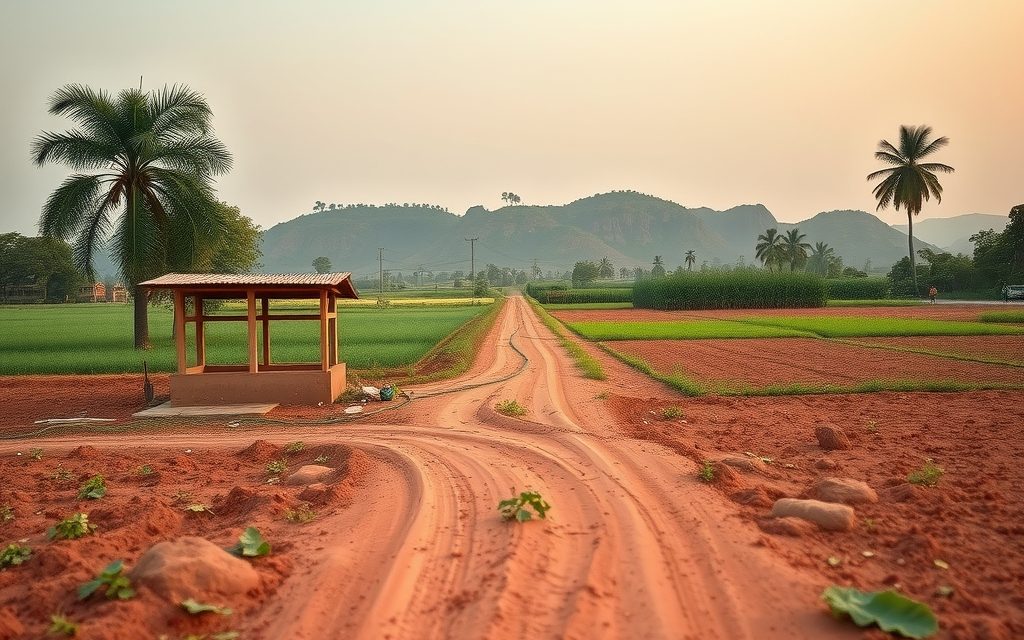
Hyderabad's closest established farmhouse belt, 10 minutes past the ORR at Himayat Sagar. Orchards, managed farm plots and estates, with the former GO 111 catchment rules explained.

Gated villas, large-plot farm villas and weekend homes on the Chevella road past the Himayat Sagar ORR exit, with indicative prices, the GO 111 story, reservoir catchment checks and clear NRI rules.
HMDA villa plots, colony plots and managed farm plots on the Chevella road past the Himayat Sagar ORR exit. What the GO 111 repeal changed, lake rules, indicative prices and registration.

Gandipet, on the Osman Sagar lake belt west of Narsingi, offers gated villas, villa plots and farm-villas. Since the 2022 GO 111 repeal, prices have risen, but zoning, FTL and land-use checks remain essential.
Kokapet's plots sit beside the Neopolis towers and the ORR, minutes from the Financial District. Indicative rates, HMDA versus GP approvals, legal checks and registration costs for buyers and NRIs.
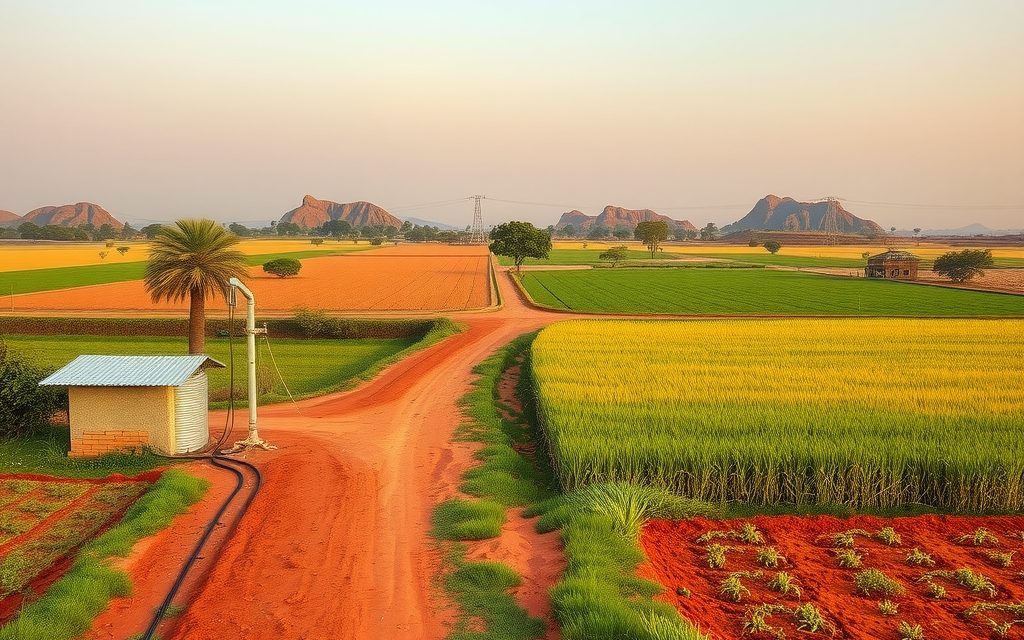
Mandal-town farm land 18 km past the ORR with a railway station, red soil and village tanks. More acres per rupee than Mokila, still within an hour of Gachibowli.
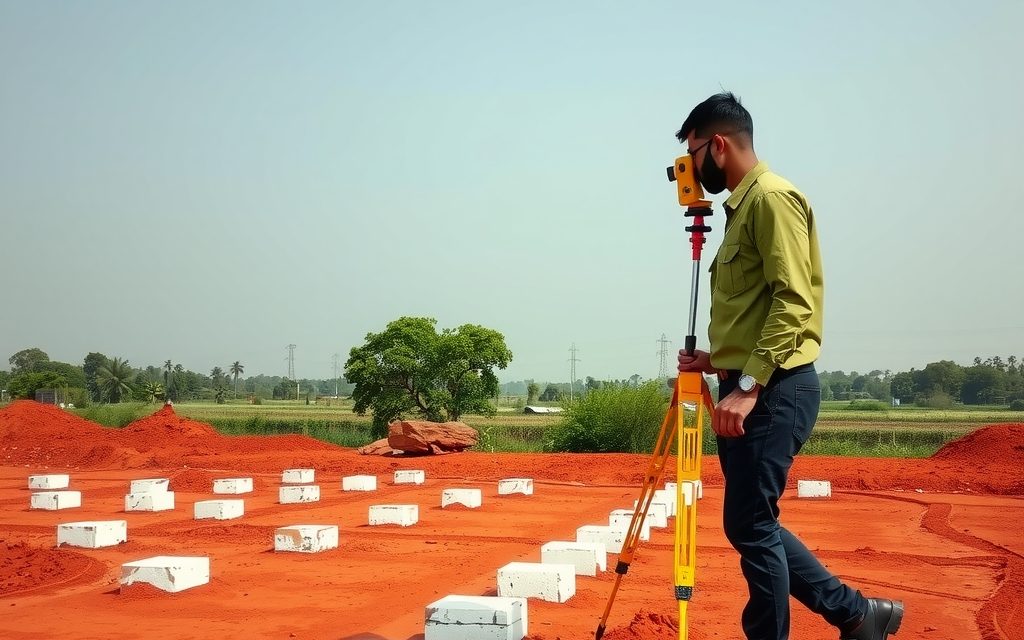
What lake full tank levels and buffer zones mean for plot, villa and flat buyers in Hyderabad: buffer distances, who draws the FTL, how HYDRAA enforces, how to check a property against lake maps, and why clean title is not enough.

NRIs and OCIs cannot buy or receive gifts of agricultural land, plantations or farmhouses; inheritance is the only route. What inherited land allows, why benami workarounds are dangerous, and the lawful alternatives near Hyderabad.