TDS When Buying Property from an NRI Seller (and 1% TDS from Residents)
Buying from an NRI seller means TDS under Section 195 at capital gains rates, not 1%. Rates, the lower-deduction certificate, TAN and Form 27Q, deadlines, penalties, and the 1% Section 194-IA rules for resident sellers.

- Resident seller: 1% TDS under Section 194-IA when consideration or stamp duty value is ₹50 lakh or more, via Form 26QB
- NRI seller: TDS under Section 195 at 12.5% LTCG (or slab STCG) plus surcharge and cess, with no threshold
- Without a lower-deduction certificate, buyers usually deduct on the full sale price
- TAN and quarterly Form 27Q traditionally required; a PAN-based challan was announced in Budget 2026, so confirm with your CA
- The buyer, not the seller, is liable for short deduction, with interest and penalty
| What | Indicative range | Note |
|---|---|---|
| Resident seller, consideration ₹50 lakh or more (Section 194-IA) | 1% of higher of price and stamp duty value | 20% if seller PAN inoperative; verify |
| NRI seller, long-term gain (Section 195) | About 13% – 14.95% effective | 12.5% plus surcharge and 4% cess; CA decides band |
| NRI seller, short-term gain (Section 195) | About 31.2% – 39% effective | 30% slab plus surcharge and cess; verify |
| Interest on late deduction / late deposit | 1% / 1.5% per month | as of Oct 2026; verify |
| Late fee for TDS statement | ₹200 per day | capped at TDS amount |
| CA fee for buyer's Section 195 compliance | ₹10,000 – ₹30,000 | indicative, Oct 2026 |
Ranges reflect recent transactions and advisor observation as of 2026-10. Always verify against the sub-registrar market value and the specific parcel.
Getting TDS on property purchase from NRI seller transactions wrong is the single most expensive compliance mistake we see Hyderabad buyers make. A buyer who deducts the familiar 1 percent from a seller who lives in New Jersey or Dubai has under-deducted by a factor of twelve or more, and the income-tax department treats the buyer, not the seller, as the person in default. This guide explains both regimes as of October 2026: the 1 percent TDS under Section 194-IA when the seller is resident, and the much heavier deduction under Section 195 when the seller is a non-resident, with rates, the lower-deduction certificate, TAN and Form 27Q, deadlines, and exactly what you are liable for if you get it wrong.
Who this guide is for
This guide is for anyone buying a resale flat, villa, plot or commercial unit in Hyderabad or elsewhere in Telangana, whether you are a resident, an NRI buying from another NRI, or a family buying from a builder. If the seller, or any one of several co-sellers, is a non-resident, read every section. If all sellers are resident, the 1 percent rules apply, and the first part of this guide covers them.
Why TDS on property matters to the buyer
Tax deducted at source shifts collection of the seller's tax to the buyer. The buyer withholds part of the price, deposits it with the government in the seller's name, files a statement, and gives the seller a certificate. The seller then claims credit in their own return.
The obligation sits on the buyer. If you fail to deduct, deduct too little, or deduct but deposit late, the department can treat you as an "assessee in default", recover the shortfall from you with interest, and levy penalties, even though the underlying tax was the seller's. In a resale between individuals, you usually have no way of recovering that money from a seller who has already left the country. That is why buyers, not sellers, should drive TDS planning.
One preliminary note. The Income-tax Act, 2025 replaced the Income-tax Act, 1961 from April 2026 and renumbered most provisions, including these. This guide uses the familiar 1961 section numbers, Section 194-IA and Section 195, because that is how agreements, banks and most professionals still describe them. The principles below continue; your chartered accountant (CA) will apply the current section references and forms.
TDS on property purchase from NRI seller vs resident seller
| Point | Resident seller: Section 194-IA | Non-resident seller: Section 195 |
|---|---|---|
| Threshold | Consideration or stamp duty value of ₹50 lakh or more | No threshold; applies to any amount |
| Rate | 1% (20% if seller's PAN is missing or inoperative) | Applicable capital gains rate plus surcharge and 4% cess |
| Base | Higher of consideration and stamp duty value | The sum chargeable to tax; in practice the full price unless a lower-deduction certificate is obtained |
| Buyer registration | No TAN; buyer's PAN is used | TAN traditionally required (see the note on the 2026 Budget change below) |
| Deposit and statement | Form 26QB challan-cum-statement within 30 days from the end of the month of deduction | Challan by the 7th of the following month (30 April for March); quarterly Form 27Q |
| Certificate to seller | Form 16B | Form 16A |
| Rural agricultural land | Excluded | Rarely relevant: NRIs cannot buy agricultural land, but may sell inherited land; gains on rural agricultural land are not capital gains, so TDS questions go to the CA |
Section 194-IA: buying from a resident seller
When you buy immovable property other than rural agricultural land from a resident, and the consideration or the stamp duty value is ₹50 lakh or more, you deduct 1 percent. Key points:
- Base. Since 2022, TDS is computed on the higher of the actual consideration and the stamp duty value fixed by the registration department. If the government market value is higher than your agreed price, TDS is on the market value.
- Threshold across co-buyers and co-sellers. The ₹50 lakh test applies to the total consideration for the property, not each buyer's share. Two spouses buying a ₹70 lakh flat jointly must each deduct 1 percent on their share.
- Charges that form part of consideration. Since 2024 the law expressly includes car parking, club membership, electricity and water connection charges and similar amounts incidental to the transfer. Your CA will confirm treatment of items such as GST and maintenance deposits.
- Timing. TDS applies at the time of each payment, including the advance and each instalment to a builder, not only at registration.
- Process. Pay through Form 26QB on the income-tax portal at incometax.gov.in using your PAN and the seller's PAN, within 30 days from the end of the month of deduction. Download Form 16B from the TRACES system and give it to the seller.
- Rural agricultural land. Land that is agricultural and lies outside municipal limits and the notified distance bands around municipalities is excluded. Land that is agricultural on record but sits within those bands is "urban agricultural land" and TDS applies. Plots and NALA-converted land always attract it above the threshold.
- Seller's PAN. If the seller's PAN is inoperative, for instance because it is not linked to Aadhaar, the rate jumps to 20 percent. Check PAN status on the portal before paying the advance.
Section 195: buying from a non-resident seller
When the seller is a non-resident for income-tax purposes, Section 194-IA does not apply at all. Instead, the buyer must deduct tax under Section 195 on any sum chargeable to tax in India, with no threshold. In property sales, that sum is the seller's capital gain.
The rates
As of October 2026, the applicable rates are:
- Long-term capital gains (property held for more than 24 months): 12.5 percent without indexation, applicable since July 2024. The option to pay 20 percent with indexation on pre-July 2024 purchases is available only to resident individuals and HUFs, not to NRIs.
- Short-term capital gains (held 24 months or less): at the slab rates; buyers usually deduct at the highest rate of 30 percent unless advised otherwise.
- Surcharge, based on the amount: commonly 10 percent above ₹50 lakh and 15 percent above ₹1 crore, with surcharge on long-term gains capped at 15 percent; short-term gains can attract higher surcharge at the top end.
- Health and education cess of 4 percent on tax plus surcharge.
| Type of gain | No surcharge | 10% surcharge | 15% surcharge | 25% surcharge |
|---|---|---|---|---|
| Long-term (12.5% base) | 13.00% | 14.30% | 14.95% | Not applicable (capped at 15%) |
| Short-term (30% base) | 31.20% | 34.32% | 35.88% | 39.00% |
These are effective rates including cess. Which surcharge band applies to a particular deduction is a judgement your CA makes; do not pick a column yourself.
The base problem, and why the full price is usually used
The law says to deduct on the "sum chargeable to tax", which is the gain, not the price. But the buyer has no reliable way to verify the seller's cost of acquisition, improvement costs or holding period. Because the buyer bears the risk, practice is to deduct on the full sale consideration unless the seller produces a certificate from the tax department fixing a lower rate or a lower base. On a ₹1.2 crore resale, that can mean withholding about ₹17 lakh.
The lower-deduction certificate
The seller can apply online to the income-tax department, through TRACES, for a certificate authorising deduction at a lower rate or nil, based on their actual expected gain and tax liability. The certificate names the buyer (by PAN or TAN), the amount, the rate and the validity period. Once issued, the buyer deducts exactly as the certificate states and is protected. Processing commonly takes a few weeks, so the application should be made as soon as the price is agreed, and the agreement of sale should state what happens if the certificate does not arrive by registration (usually, deduction on the full price at the applicable rate).
TAN, challan and Form 27Q
Traditionally, a buyer deducting under Section 195 must obtain a Tax Deduction Account Number (TAN), even if they are a salaried individual who has never deducted tax before. TAN applications are made online and are typically allotted within a week or two. The buyer then deposits the tax by challan by the 7th of the month following deduction (30 April for deductions in March), files the quarterly TDS statement in Form 27Q (due dates are generally 31 July, 31 October, 31 January and 31 May for the four quarters), and issues Form 16A to the seller after filing.
TDS clauses to settle in the agreement of sale
A resale agreement with an NRI seller should leave nothing about TDS to goodwill. At a minimum, it should record the seller's declared residential status and PAN; the section under which tax will be deducted; the rate and base, including the fallback if a lower-deduction certificate is not produced by a stated date; that TDS will be deducted on the advance and every later payment; that the net amount is payable only into the seller's named NRO account; the buyer's obligation to deposit TDS on time and issue the certificate within the statutory period; and the seller's indemnity if their declaration proves wrong. Where the seller's lender is to be paid off from the price, the agreement should specify how TDS is computed on the amount paid to the bank as well, because it remains part of the consideration.
Who counts as a non-resident seller
Residential status for income-tax is about days spent in India, not citizenship or passport. An Indian citizen working in the Gulf who spent fewer than the specified days in India is usually non-resident; a US citizen with an OCI card who has lived in Hyderabad for years may be resident. You cannot tell from the seller's name, and sellers sometimes misunderstand their own status. Protect yourself:
- Ask every seller for a written declaration of residential status for the financial year of sale, with passport copy and visa or residence permit if they live abroad.
- Check addresses on the PAN record and the title deed, and where the seller's bank account is an NRO account.
- If any doubt remains, treat the seller as non-resident or require a lower-deduction certificate. Under-deducting from a non-resident costs far more than over-deducting from a resident, who can claim a refund.
- Include an indemnity in the agreement, but remember that an indemnity from someone abroad is hard to enforce.
Step-by-step for a buyer purchasing from an NRI seller
| Step | Timing | Indicative cost (verify) |
|---|---|---|
| Confirm seller's residential status and PAN; engage a CA | Before token advance | CA fee, often ₹10,000 – ₹30,000 for the TDS engagement |
| Seller applies for lower-deduction certificate | Immediately after price is agreed; 2–6 weeks | Seller's CA fee |
| Buyer applies for TAN | Same week; typically 7–15 days | Nominal application fee |
| Agreement of sale with TDS clauses | Advance stage | Stamp duty on agreement as applicable |
| Deduct TDS on advance and deposit by the 7th of next month | Each payment | Part of the price |
| Sale deed registration; pay balance net of TDS into seller's NRO account | Registration day | About 7.5% of market value in government charges; verify |
| Deposit TDS on balance; file Form 27Q for the quarter | By the 7th of next month; quarterly due date | CA fee for return |
| Issue Form 16A to seller | Within 15 days of the 27Q due date | Nil |
Government charges at registration in Telangana are approximately 5.5 per cent stamp duty, 1.5 percent transfer duty and 0.5 percent registration fee; see our guide to stamp duty and registration charges.
Worked examples with Hyderabad numbers
Example 1: resident seller, Bachupally flat
A family buys a resale 2 BHK in Bachupally from a resident seller for ₹82 lakh; the stamp duty value is ₹78 lakh. TDS is 1 percent of ₹82 lakh, the higher figure, or ₹82,000. The buyer pays it through Form 26QB, pays the seller ₹81.18 lakh and gives Form 16B. No TAN, no quarterly return. Our page on apartments in Bachupally covers that market.
Example 2: NRI seller, Kondapur flat
A resident couple buys a 3 BHK in Kondapur for ₹1.2 crore from an NRI in Seattle who bought it in 2014 for ₹55 lakh. The seller's long-term gain is about ₹65 lakh before costs. Figures are illustrative.
| Scenario | Base | Effective rate (illustrative, 10% surcharge) | TDS | Paid to seller's NRO account |
|---|---|---|---|---|
| Wrongly treated as resident | ₹1.2 crore | 1% | ₹1.2 lakh | ₹1.188 crore |
| Section 195 without certificate | ₹1.2 crore | 14.30% | About ₹17.2 lakh | About ₹1.028 crore |
| Section 195 with certificate on actual gain | About ₹65 lakh | 14.30% | About ₹9.3 lakh | About ₹1.107 crore |
In the first scenario, the buyer under-deducted by about ₹16 lakh (or ₹8 lakh even against the certificate figure) and would be liable for the shortfall plus interest. In the third, both sides are protected: the buyer deducts exactly what the certificate specifies, and the seller is not over-taxed. Our page on apartments in Kondapur describes that market.
Special cases buyers ask us about
Buying a new flat or villa from a builder
Developers in Hyderabad are almost always resident companies or firms, so Section 194-IA applies: 1 percent on each instalment where the total consideration is ₹50 lakh or more, paid through Form 26QB within 30 days from the end of the month of each payment. Many buyers forget the instalments paid directly by their bank from the home loan; the TDS obligation remains yours. Keep a payment schedule and file a 26QB for every disbursement. Our TS RERA apartment buyer's guide covers the rest of a new-project purchase.
An NRI buying property in Hyderabad
The buyer's own status does not change the section. An NRI buying from a resident seller deducts 1 percent under Section 194-IA like anyone else. An NRI buying from another NRI deducts under Section 195 and must complete the TAN (or PAN-based) process from abroad, usually through a CA and an attorney in India. Payments to the seller must come from the buyer's NRE, NRO or FCNR account or by inward remittance.
Joint sellers with different residential status
Where a flat is owned by a resident parent and an NRI child, split the consideration by ownership share as stated in the title deed. Deduct 1 percent on the resident's share (if the total consideration crosses ₹50 lakh) and Section 195 TDS on the NRI's share, paying each share into the respective seller's own account. File separate statements for each regime.
Property inherited by an NRI
Inherited property sold by an NRI heir is still a sale by a non-resident, so Section 195 applies. The seller's cost and holding period usually include the previous owner's, which often makes the gain long-term and the lower-deduction certificate especially worthwhile. If the inherited asset is rural agricultural land, it is outside capital gains altogether, but the land can be sold only to a resident Indian and registers at the Tahsildar office; get your CA's view before deciding not to deduct.
Documents to collect from an NRI seller before you pay
- PAN card, with operative status checked on the income-tax portal.
- Passport, visa or residence permit, and a signed declaration of residential status for the year.
- Title deed, link documents and encumbrance certificate, as in any purchase.
- The lower-deduction certificate naming you, if obtained, or written confirmation that none will be obtained.
- NRO account details in the seller's own name, on bank letterhead or a cancelled cheque.
- The registered and adjudicated power of attorney, if a relative is signing for the seller.
- For loans being closed from sale proceeds, the lender's foreclosure letter and an undertaking to release title documents.
We put these on a single checklist for both parties at the advance stage, so nothing is discovered on the registration morning.
What happens if the buyer gets it wrong
- Assessee in default. The buyer can be required to pay the tax that should have been deducted.
- Interest. Generally 1 percent per month or part month from the date tax was deductible to the date it was deducted, and 1.5 percent per month from deduction to deposit.
- Late filing fee. ₹200 per day for late TDS statements, up to the amount of TDS, with further penalties for prolonged non-filing or incorrect statements.
- Penalty. A penalty up to the amount of tax not deducted can be levied, and prosecution provisions exist for serious and wilful cases.
- Practical fallout. The seller cannot get credit, cannot obtain Form 15CA/CB for repatriation, and will come back to you, often through their attorney, to fix the filing.
Mistakes we see in practice (and the fix)
- Deducting 1 percent from an NRI seller. Fix: confirm residential status for every co-seller before the advance.
- Forgetting TDS on the advance. Fix: deduct on every payment, including the token, and deposit by the deadline.
- Deducting on the gain without a certificate. Fix: deduct on the full price unless the seller hands you a valid certificate naming you.
- Applying for TAN on registration week. Fix: apply as soon as the price is agreed.
- Paying the NRI seller's money into a relative's account. Fix: pay only into the seller's own NRO account; this also helps the seller's repatriation.
- Ignoring the stamp duty value. Fix: for resident sellers, deduct on the higher of price and stamp duty value.
- Using the wrong form. Fix: Form 26QB is only for resident sellers; NRI sellers need the Section 195 process and Form 27Q (or the PAN-based process once confirmed).
- Mixed co-owners. Fix: split the deduction by each seller's share and status.
How NRR Estates handles TDS for buyers and NRI sellers
On every resale we manage, we identify each seller's residential status in the first week, flag NRI sellers to the buyer in writing, and put both sides in touch with CAs early. We build the TDS mechanics into the agreement of sale: who deducts what on each payment, what happens if the lower-deduction certificate is delayed, payment into the seller's NRO account, and timelines for certificates. On registration day we check the challan proofs before the deed is presented. For NRI sellers, we line up the documents their CA needs for repatriation; see our guide to repatriating sale proceeds. If the NRI seller will not travel, our power of attorney guide explains how they authorise a relative.
For NRIs who are on the buying side of a Hyderabad deal, our NRI guide to villas and apartments and NRI investment guide cover funding and FEMA. We do not give tax advice; your CA confirms every rate and form, and fees for our advisory work are disclosed before you commit.
TDS on property from NRI and resident sellers: FAQ
Is TDS 1% when buying property from an NRI?
No. The 1 percent rate under Section 194-IA applies only when the seller is resident. When the seller is a non-resident, the buyer must deduct tax under Section 195 at the applicable capital gains rate plus surcharge and cess. As of October 2026, that is 12.5 percent on long-term gains, before surcharge and cess, and slab rates, usually 30 percent, on short-term gains. There is no ₹50 lakh threshold. Without a lower-deduction certificate, the deduction is normally made on the full sale price.
What is the effective TDS rate on an NRI's long-term capital gain on property?
Long-term gains are taxed at 12.5 percent without indexation. Adding 4 percent cess gives 13 percent; with a 10 percent surcharge it is 14.3 percent, and with the 15 percent surcharge cap it is 14.95 percent. Which surcharge band applies depends on the amounts involved and is decided by your CA. On short-term gains taxed at 30 percent, the effective rate ranges from about 31.2 percent to 39 percent. These rates are as of October 2026 and should be verified before every transaction.
What is a lower-deduction certificate and who applies for it?
It is a certificate from the income-tax department authorising the buyer to deduct tax at a lower rate, or on a lower base such as the actual gain, instead of on the full price. The NRI seller applies online through TRACES with details of the purchase cost, sale price and expected tax. The certificate names the buyer, amount, rate and validity. Once issued, the buyer deducts exactly as stated and is protected. Processing typically takes several weeks, so apply as soon as the price is agreed.
Do I need a TAN to buy property from an NRI?
Traditionally yes. A buyer deducting under Section 195 obtains a Tax Deduction Account Number, deposits TDS by challan by the 7th of the following month and files quarterly Form 27Q. The Union Budget of February 2026 announced that resident individual buyers would be able to use a PAN-based challan instead of a TAN, as with the 1 percent regime. Check with your CA whether this is operational for your transaction date. Apply for a TAN early if it is still required.
Does 1% TDS apply to agricultural land in Telangana?
Not to rural agricultural land, which is excluded from Section 194-IA. Rural means land outside municipal limits and outside the notified distance bands around municipalities. Agricultural land within those bands is treated as urban agricultural land, and TDS applies above ₹50 lakh. NALA-converted land and plots always attract TDS above the threshold. NRIs cannot buy agricultural land, but an NRI heir selling inherited land raises separate questions your CA should answer before registration.
What happens if I deduct only 1% from an NRI seller?
You can be treated as an assessee in default for the shortfall. The department can recover the tax that should have been deducted from you, with interest of 1 percent per month from the date it was deductible and 1.5 percent per month after deduction until deposit, plus late-filing fees and a penalty up to the tax not deducted. In practice, recovering the money from a seller abroad is very difficult. Confirm every seller's residential status in writing before you pay any advance.
Is TDS deducted on the advance or only at registration?
On every payment, including the token advance and each instalment. Under both Section 194-IA and Section 195, the obligation arises when the amount is paid or credited, whichever is earlier. For a resident seller, file a Form 26QB within 30 days from the end of the month of each payment. For an NRI seller, deposit the TDS by the 7th of the following month and include it in that quarter's Form 27Q. Builder instalments paid by your bank from a home loan also need TDS.
How do I know whether the seller is an NRI for tax purposes?
Residential status for income tax depends on days spent in India, not on citizenship or passport. Ask every seller for a signed declaration of residential status for the financial year, with passport and visa or residence permit copies if they live abroad, and note whether their bank account is an NRO account. If any doubt remains, treat the seller as non-resident or ask for a lower-deduction certificate. Over-deducting from a resident is refundable; under-deducting from a non-resident becomes your liability.
Related guides

How much an NRI can move abroad after selling Indian property, which route applies (forex paid or USD 1 million), the two-home rule, tax and TDS first, Form 15CA/CB, documents, timelines and a worked Hyderabad example.

How NRIs and OCIs draft, sign, attest or apostille, stamp and register a power of attorney for buying, selling or taking a loan on Telangana property, what the SRO checks on the day, and how to revoke it safely.

Which Hyderabad micro-markets suit NRIs, what each budget buys, new versus resale, RERA and OC checks, GST, TDS for resident and NRI sellers, rental yields, management and repatriation of sale proceeds.

What NRIs and OCIs can and cannot buy under FEMA, how to fund and register a purchase from abroad, TDS and repatriation basics, and where the opportunities are across Hyderabad and the Telangana districts.
How Telangana's stamp duty, transfer duty and registration fee are calculated on the higher of market value or price, how to pay through IGRS, where to register, and worked examples for a plot, a flat and farm land.
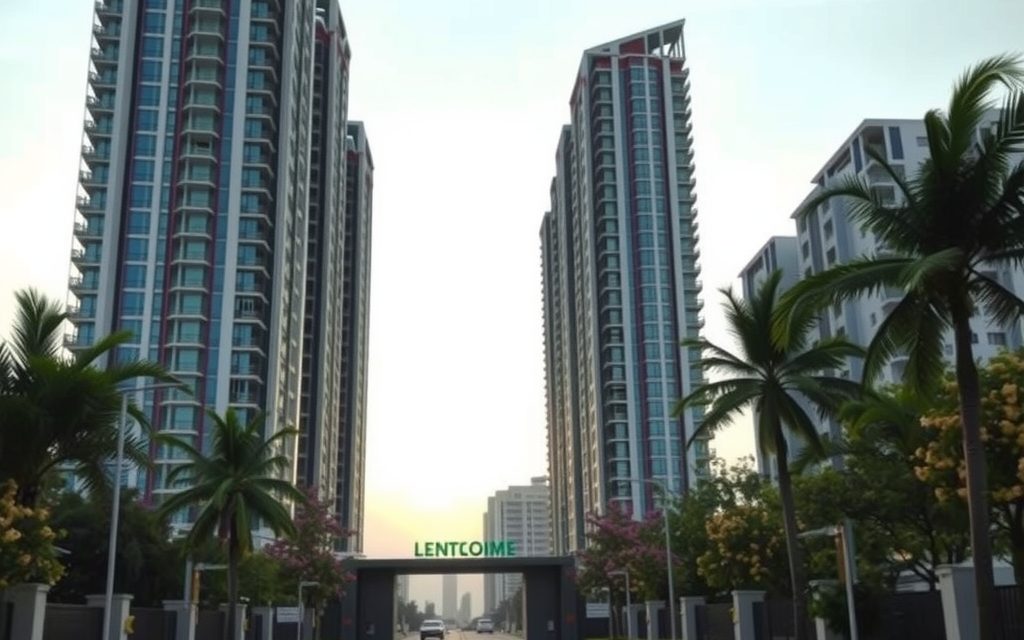
Kondapur sits right behind HITEC City, between the Botanical Garden and Hafeezpet. Indicative per-sq-ft bands, 2/3/4 BHK budgets, RERA and OC checks, rents and NRI steps for new flats here.
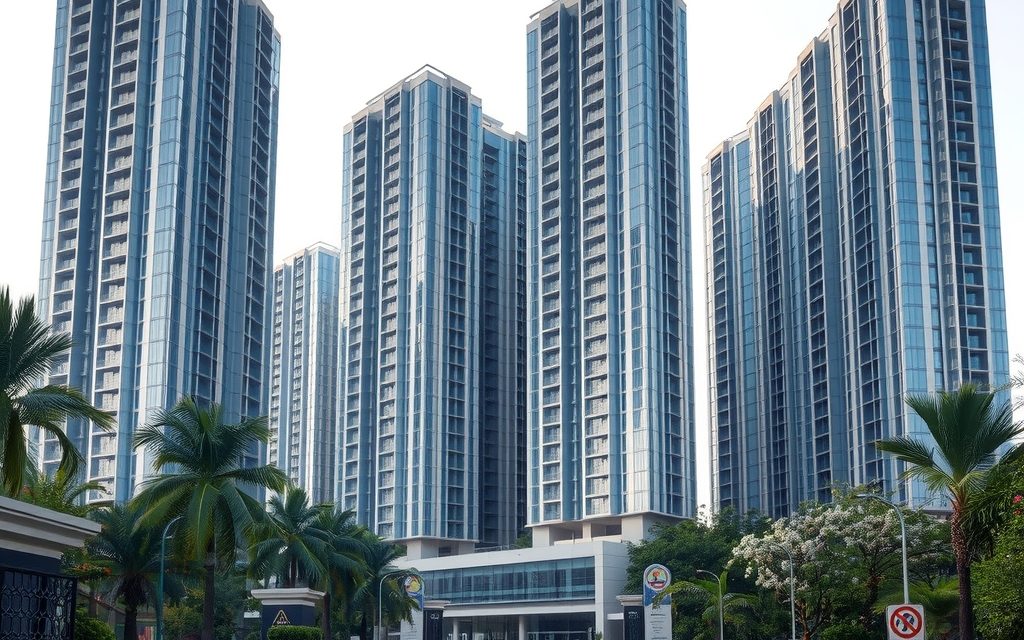
Bachupally's schools and engineering colleges turned it into a belt of township-scale gated towers at prices well below Kukatpally. Pockets, per sq ft bands, rents and the land-history checks that matter here.

What TS RERA registration actually protects when you buy an under-construction flat or villa in Telangana: how to verify a project, carpet area and advance rules, delay interest or refund, defect liability and the complaint process.