How to Buy a Villa in Hyderabad: From Shortlist to Registration
A villa is usually a family's largest cheque. The full process in Hyderabad: gated, plotted or resale, TS RERA and builder checks, the agreement for sale, payment plans with GST and TDS, registration, the OC and a handover snag list.

- Check TS RERA registration, declared completion date, approvals and quarterly progress before paying any booking amount
- RERA caps advances at 10% of cost before a registered agreement for sale and gives five years of structural defect liability
- Under-construction villas attract 5% GST; completed villas sold after OC attract none
- Deduct 1% TDS on every instalment when the price is ₹50 lakh or more and file Form 26QB
- Make the occupancy certificate a condition of final payment, then run a detailed snag inspection before possession
| What | Indicative range | Note |
|---|---|---|
| Row or twin villa, Kollur belt, 150–220 sq yd | ₹1.6 Cr – ₹2.6 Cr | indicative, Oct 2026 |
| Independent villa, Tellapur mid-sized community, 250–350 sq yd | ₹3.2 Cr – ₹5.5 Cr | indicative, Oct 2026 |
| GST, under-construction villa | 5% of instalment value | nil on completed villas with OC |
| Stamp duty + transfer duty + registration fee | ≈ 7.5% of market value | approximate, verify current rates at the SRO |
| Clubhouse, parking, documentation charges | ₹3 L – ₹15 L | project-dependent |
| Corpus fund | ₹2 L – ₹8 L | handed to residents' association |
Ranges reflect recent transactions and advisor observation as of 2026-10. Always verify against the sub-registrar market value and the specific parcel.
Knowing how to buy a villa in Hyderabad properly matters because a villa is usually the largest cheque a family ever writes, and the process has more moving parts than an apartment purchase. Ticket sizes in the western corridor run from about ₹1.6 crore for a row villa in the Kollur belt to well over ₹5 crore for a large independent villa in a Tellapur or Kokapet township. Between the first site visit and the day you collect the keys sit a RERA check, a booking form that is not an agreement, an agreement for sale that is, a payment schedule spread over two to four years, GST on every instalment, a registration whose structure varies by project, an occupancy certificate, and a snag inspection that decides whether you spend your first year in the house calling plumbers. This guide walks through each stage in order, with the costs, the documents and the mistakes we see.
We are property advisors, not lawyers or chartered accountants. Rates and rules are stated as of October 2026; verify on the day and take professional advice on tax.
Who this guide is for
It is for Hyderabad families upgrading from an apartment to a villa, for buyers relocating from Bengaluru, Pune or the Gulf who want a gated home in the western IT corridor, and for NRIs buying a villa to move back to or to hold. If you are still deciding between formats, read our comparison of villa vs apartment in Hyderabad first.
The three ways to own a villa in Hyderabad
"Villa" covers three quite different purchases, and the process differs for each.
| Route | What you buy | Main regulator and checks | Who it suits |
|---|---|---|---|
| Builder villa in a gated community | A finished or under-construction villa with a share in common areas, clubhouse and roads | TS RERA registration, building permission, OC, builder track record | Families who want amenities, security and a predictable product |
| Villa plot in a gated layout, build your own | A plot in an approved gated layout, with your own house built later | Layout approval and RERA, then your own building permission | Buyers who want design control and can manage construction |
| Resale villa or independent house | A completed house from an existing owner | Title chain, sanctioned plan, OC, association dues | Buyers who want to move in quickly and can inspect what they get |
Gated villa communities
Most new villa supply in Hyderabad comes in gated communities along the ORR's western and northern arcs, in belts such as Tellapur, Kollur, Mokila, Gopanpally, Kokapet's outskirts, Bachupally and Kompally. Formats range from row villas on 150 to 220 sq yd, through twin villas, to independent villas on 300 to 500 sq yd or more. The builder holds the land, obtains layout and building permissions, registers the project with TS RERA and sells villas with an undivided share in common areas.
Plotted developments
In a plotted gated layout, the developer sells plots with roads, drainage, a compound wall and sometimes a clubhouse, and you build your own villa within the layout's design guidelines. You gain design control and often a lower entry price; you take on construction risk, building permission and two to three years of project management. Our guide to building permission under TG-bPASS, GHMC and HMDA explains that second stage.
Resale villas
Resale villas in established communities let you see the finished product, the neighbours and the association's upkeep before you buy. The checks shift towards title, the sanctioned plan against the as-built house, the OC and outstanding dues.
How the system works: RERA, approvals and registration
TS RERA
Under the Real Estate (Regulation and Development) Act, 2016 and Telangana's rules, projects on land above 500 sq m or with more than eight units must be registered with TS RERA before they are advertised or sold. The project page on rera.telangana.gov.in lists the promoter, approvals, the declared completion date, quarterly progress updates and any complaints. RERA also requires the promoter to keep a large share of buyers' money, generally 70%, in a dedicated project account; limits any advance to 10% of the cost before a registered agreement for sale; makes the promoter liable for structural defects reported within five years of handover; and gives buyers remedies for delay, including interest. Our TS RERA buyers' guide covers these rights in detail; they apply equally to villas.
Permissions behind the project
A gated villa project needs layout approval and building permission from HMDA, GHMC, the municipality or DTCP depending on location, plus NOCs such as fire, environmental clearance for larger projects and airport height clearance where relevant. These are uploaded on the RERA page. On completion, the authority issues an occupancy certificate, sometimes phase by phase.
Registration
Villas register at the jurisdictional Sub-Registrar Office. How an under-construction villa is documented varies by project: some builders register a sale deed for the land or undivided share early and a separate construction agreement, others register an agreement for sale during construction and a sale deed at completion. The stamp duty treatment of each document differs, so ask the builder for a written breakup and confirm the duty with the SRO or your advocate. Market values used for duty can be checked on registration.telangana.gov.in.
Due diligence on the builder and the land
RERA registration is a floor, not a verdict. Before you book, we look at four things. First, delivery history: visit at least one completed community by the same builder, ideally five or more years old, and talk to residents about delays, quality and how the builder handled defects and the handover to the association. Second, the land: the project's title documents, the development agreement if the builder is working with landowners, and whether the land carries a lender's charge, which is common and acceptable if the bank issues no-objection letters for each villa sold. Third, approvals against what is marketed: the number of villas, plot sizes and clubhouse in the sanctioned layout should match the brochure, and any later phases should have their own permissions. Fourth, money: whether the RERA quarterly updates show construction keeping pace with collections, and whether complaints or court orders appear against the promoter. A builder with a strong record in apartments may be new to villas, where the land, drainage and road works behave differently.
Step-by-step: from shortlist to keys
- Fix the brief (week 0–1). Budget including taxes, preferred belts by commute and schools, villa format, ready or under-construction, and how long you can wait.
- Shortlist and visit (week 1–4). Visit four to six communities, including at least one completed project by each shortlisted builder. Drive the commute at peak hour.
- Check RERA and the builder (week 2–4). Confirm registration, completion date, approvals and progress updates on the RERA portal, and look at the builder's delivery history and complaints.
- Negotiate and block (week 3–5). Pay a refundable or capped booking amount, within RERA's 10% limit, against a booking form that sets out price, unit, payment plan and cancellation terms.
- Review the draft agreement for sale (week 4–6). Have an advocate review it against the RERA model terms: carpet area, specifications, completion date, delay compensation, cancellation, defect liability and the payment schedule.
- Arrange the home loan (week 4–8). Choose a lender that has approved the project, and sign the tripartite agreement between you, the builder and the bank.
- Register the agreement or the land documents (week 6–8). Pay the applicable stamp duty and registration fees at the SRO.
- Pay instalments with TDS and GST (construction period). Each instalment carries GST for under-construction villas, and if the price is ₹50 lakh or more you deduct 1% TDS from each payment and file Form 26QB.
- Track progress (construction period). Compare RERA quarterly updates with site visits every two to three months.
- Verify OC and inspect (completion). Insist on the occupancy certificate before possession, then carry out a detailed snag inspection.
- Register the sale deed and take possession (completion). Pay the final instalment, register the sale deed if not done earlier, collect the keys, documents and warranties.
- Transfer utilities and taxes (first month). Electricity meter, water connection, property tax and association membership into your name.
Payment schedules, GST and the true cost
How payment plans are structured
Most Hyderabad villa projects offer construction-linked plans: a booking amount, a payment on agreement, then instalments tied to foundation, slab, brickwork, finishes and handover. Some offer down-payment discounts of a few percent for paying most of the price upfront, which shifts risk to you if the project stalls. Subvention or "builder pays EMI until possession" schemes have caused serious problems for buyers in other cities when builders stopped paying; treat them with caution and read the tripartite agreement closely.
GST
Under-construction residential property attracts GST at 5% without input tax credit, or 1% for affordable housing within price and size limits that few villas meet. GST is not payable on a completed villa sold after the occupancy certificate. Separately, monthly maintenance above ₹7,500 per member attracts GST at 18% on the full amount, and clubhouse and other charges may carry GST.
The charges beyond the base price
| Cost item | Indicative range | Note |
|---|---|---|
| GST, under-construction villa | 5% of the value of instalments | Not payable on completed villas with OC |
| Stamp duty, transfer duty and registration fee | About 7.5% of market value, depending on documents registered | Approximate; verify current rates at the SRO |
| TDS under Section 194-IA | 1% of consideration if ₹50 lakh or more | Deducted from payments, not an extra cost; file Form 26QB |
| Clubhouse, car parking, legal and documentation charges | ₹3 lakh – ₹15 lakh depending on project | Ask for an all-in cost sheet |
| Corpus fund | ₹2 lakh – ₹8 lakh | Handed to the residents' association |
| Advance maintenance | 12–24 months at the project rate | Often ₹3–₹6 per sq ft per month in villa communities |
| Utility deposits and connection charges | ₹50,000 – ₹2 lakh | Electricity, water and sewerage |
For how stamp duty components are calculated, see our stamp duty and registration charges guide.
Home loans on villas
For loans above ₹75 lakh, which covers almost every villa, RBI caps the loan at 75% of the property's cost, and stamp duty and registration charges are excluded from that cost. In practice, that means a villa buyer should plan for at least 25% of the agreement value plus GST, duty and the other charges from their own funds. On under-construction villas, the bank disburses against construction stages certified by its engineer and the builder's demand letters, and you pay pre-EMI interest on the amount disbursed until the full EMI starts. Choose a lender that has already approved the project, which shortens the legal process, and compare not just the rate but the processing fee, the reset terms of the benchmark and how quickly the bank releases stage payments, since slow disbursement can put you in breach of the builder's payment schedule.
A worked example in the Kollur belt
A family relocating from Bengaluru picks an under-construction row villa of 2,800 sq ft on a 200 sq yd plot in a gated community near Kollur, RERA-registered with completion due in 30 months. The negotiated rate is ₹8,500 per sq ft, a base price of ₹2.38 crore. The cost sheet adds ₹6 lakh for clubhouse, car parking and documentation, ₹4 lakh corpus and 24 months of advance maintenance at ₹3.5 per sq ft, about ₹2.35 lakh.
GST at 5% on the base and taxable charges comes to roughly ₹12.2 lakh. Stamp duty and registration at about 7.5% of the registered value add roughly ₹17.9 lakh, subject to the project's document structure and verification at the SRO. The all-in cost is about ₹2.80 crore. On each instalment, the family deducts 1% TDS, about ₹2.4 lakh over the project, and files Form 26QB within 30 days from the end of the month of each payment.
They finance 65% of the agreement value, about ₹1.6 crore, with the rest from the sale of their Bengaluru flat. At an indicative 8.5% over 20 years, the full EMI on ₹1.6 crore would be about ₹1.39 lakh a month; during construction they pay pre-EMI interest only on the amount disbursed. They ask the builder to show progress against the RERA schedule before each demand, which their bank's engineer also checks. At handover, the OC is in place, and their snag inspection lists 46 items, from hollow-sounding floor tiles to a terrace slope that holds water, all fixed before they move in. For prices and community types, see our pages on villas in Kollur and villas in Tellapur.
Ready villa or under-construction: choosing the trade-off
A ready villa with an OC costs more per sq ft, but you pay no GST, see exactly what you are buying, move in or rent out immediately and carry no delivery risk. An under-construction villa is usually priced lower, payments are spread over the build, and you may get a choice of plot and some customisation; in exchange you pay 5% GST, carry two to four years of delivery risk and pay rent or EMIs on your current home in the meantime. For a family that needs to move within a year, ready inventory usually wins even at a premium. For a buyer with time and a trusted builder, under-construction can work well, provided the payment plan is genuinely linked to construction and not front-loaded.
Resale villas: the extra checks
Resale villas move the risk from delivery to history. Ask for the seller's registered sale deed and the builder's original documents, the OC and sanctioned plan, and compare the plan with the house: extra rooms on the terrace, enclosed setbacks and converted garages are common and are deviations that can complicate your loan. Get a no-dues letter from the residents' association, because unpaid maintenance and special assessments can follow the villa. Check whether the seller's home loan is still running; if so, the bank must issue a foreclosure letter and release the original documents at registration, usually by your lender paying the seller's bank directly. If the seller is an NRI, you must deduct TDS under Section 195, which is far higher than 1%, so involve a CA before agreeing the payment schedule. Finally, walk the community at night and on a weekend; you are buying the neighbours and the association as much as the house.
The occupancy certificate and handover
An occupancy certificate is the authority's confirmation that the building was constructed as sanctioned and is fit to occupy. Without it, utility connections can be refused or provisional, resale and refinancing become harder, and the building remains exposed to action for deviations. Ask for the OC covering your villa's phase before you pay the final instalment. Our occupancy certificate guide explains partial OCs and what to look for.
Documents to collect at handover
- Registered sale deed, or the registered agreement and land documents if registration was split.
- Occupancy certificate and sanctioned plans, plus as-built drawings for plumbing and electrical lines.
- Possession letter stating the date, which starts the five-year RERA defect liability period.
- No-dues letter from the builder and the bank's disbursement statement.
- Warranties for lifts if any, pumps, water heaters, modular kitchen and fittings.
- Association membership, maintenance terms and corpus receipt.
The snag list
Take a day, ideally with an independent inspector. Check for:
- Cracks in walls, beams and ceilings, distinguishing plaster hairlines from structural cracks.
- Terrace and bathroom waterproofing, by flooding test areas and checking below after a few hours.
- Floor and wall tiles that sound hollow when tapped, uneven joints and lippage.
- Slopes in bathrooms, balconies and the terrace that drain to outlets.
- Water pressure on every floor, hot water lines, sump and overhead tank condition and the pump.
- Electrical earthing, distribution board labels, every switch and socket, and the load sanctioned against your needs.
- Doors and windows that close and lock smoothly, with seals and hardware in place.
- Sewer connection to the community STP or municipal line, inspection chambers and rainwater harvesting pits.
- External plaster, paint, compound wall, gate and drainage around the plot.
- Specifications delivered as promised in the agreement, from fittings brands to flooring.
Record everything with photographs and a dated list signed by the builder's representative. Defects reported later are still covered within the RERA five-year window, but the first inspection is your best leverage.
NRI buyers: what is different
NRIs and OCI cardholders can buy villas in Hyderabad freely, without RBI permission. Payments must come from NRE, NRO or FCNR accounts or inward remittance. A registered power of attorney lets a family member or advisor sign and register for you. Home loans for NRIs are widely available. When an NRI later sells, the buyer must deduct TDS under Section 195 at the applicable capital-gains rate plus surcharge and cess, with long-term gains taxed at 12.5% without indexation since 2024; a lower-deduction certificate can reduce this. Sale proceeds can be repatriated within the RBI's USD 1 million per financial year facility from NRO balances, and the original foreign-funded investment for up to two residential properties can be repatriated. Take a CA's advice before you sell. Our page on NRIs buying villas and apartments in Hyderabad covers these points in more depth.
Mistakes we see in practice, and the fix
- Paying more than 10% before a registered agreement. Fix: cap the booking amount and get the agreement registered promptly, as RERA requires.
- Comparing prices per sq ft without a cost sheet. Clubhouse, parking, corpus and maintenance can add 5% to 8%. Fix: compare all-in costs including GST and duty.
- Relying on the brochure completion date. Fix: use the RERA-declared date and the builder's delivery history.
- Signing the builder's agreement unread. Fix: have an advocate check delay compensation, cancellation and specifications against the RERA model terms.
- Taking possession without OC. Fix: make the OC a condition of the final payment.
- Skipping the snag inspection. Fix: inspect thoroughly before signing the possession letter.
- Forgetting TDS on instalments. Fix: deduct 1% on each payment of a property worth ₹50 lakh or more and file Form 26QB on time to avoid interest and late fees.
- Buying a resale villa with extra construction. Additional floors or covered setbacks are deviations. Fix: compare the sanctioned plan with the house.
How NRR Estates handles villa purchases for clients
We start with your commute, schools, budget and timeline, then shortlist communities we know well, including completed projects by the same builders so you can see how they age. We check RERA registration and approvals, compare all-in cost sheets, negotiate price and payment terms, and have your agreement reviewed by an independent advocate. During construction, we track progress against RERA updates for clients who want it, particularly NRIs. At completion, we confirm the OC, organise an independent snag inspection and stay with you through registration, possession and utility transfers. For resale villas, we verify title and compare the sanctioned plan with the house before you commit. Our fees are disclosed before any commitment.
Villa buying questions we are asked
What is the process to buy a villa in Hyderabad?
Fix your budget, belts and format, shortlist and visit communities, then check TS RERA registration, approvals and the builder's delivery record. Block a villa with a booking amount within RERA's 10% limit, have an advocate review the agreement for sale, arrange a loan from a lender that has approved the project and register the agreement or land documents at the SRO. Pay instalments with GST and 1% TDS, verify the occupancy certificate, run a snag inspection, register the sale deed and take possession.
How do I check if a villa project is RERA registered in Telangana?
Search the project or promoter name on the TS RERA portal. The project page shows the registration number and validity, the declared completion date, the sanctioned approvals, quarterly progress updates and any complaints. Match the number of villas, plot sizes and phases with what the sales team is marketing. Projects above 500 sq m of land or more than eight units must be registered before they are advertised or sold, so an unregistered gated villa project is a serious warning sign.
Is GST payable on villas in Hyderabad?
On under-construction villas, yes: GST is charged at 5% without input tax credit on the instalments, or 1% for affordable housing within price and size limits that very few villas meet. On a completed villa sold after the occupancy certificate has been issued, no GST is payable. Separately, monthly maintenance charges above ₹7,500 per member attract GST at 18% on the full amount, and some clubhouse and amenity charges carry GST. Ask the builder for a cost sheet showing GST on each component.
What are the registration charges for a villa in Hyderabad?
As of October 2026, stamp duty, transfer duty and registration fee together come to roughly 7.5% of the market value or consideration, whichever is higher, at the jurisdictional Sub-Registrar Office. For under-construction villas, documentation varies: some projects register a sale deed for land plus a construction agreement, others an agreement for sale followed by a sale deed at completion, and the duty on each differs. Ask for a written breakup and verify current rates with the SRO or your advocate.
Should I take possession of a villa without an occupancy certificate?
We advise against it. The occupancy certificate confirms that the building was constructed as sanctioned and is fit to occupy. Without it, permanent utility connections can be delayed, resale and refinancing become harder, corporate tenants may decline and the building remains exposed to action for deviations. Make the OC covering your villa's phase a condition of the final payment and possession. If the builder offers early possession for interiors, get the OC date committed in writing.
What should a villa handover snag list include?
Check walls and ceilings for cracks, terrace and bathroom waterproofing by flooding test areas, hollow or uneven tiles, slopes to drains, water pressure on every floor, the sump, overhead tank and pump, electrical earthing and every switch and socket, doors and windows, the sewer and rainwater harvesting connections, external plaster and compound wall, and specifications against the agreement. Photograph everything and get a dated list signed by the builder. Structural defects remain covered for five years under RERA.
Can NRIs buy villas in Hyderabad?
Yes. NRIs and OCI cardholders can buy villas and other residential property in India without RBI permission. Payments must come from NRE, NRO or FCNR accounts or inward remittance, and a registered power of attorney lets a family member or advisor sign for you. Home loans for NRIs are widely available. When you sell, the buyer deducts TDS under Section 195, and repatriation follows RBI limits, including the USD 1 million facility and the two-residential-property rule. Take a CA's advice.
Is a plotted gated layout better than a builder villa?
It depends on your appetite for managing construction. A plot in an approved gated layout gives design control and often a lower entry price, but you need your own building permission, an architect and contractor, and two to three years of supervision, with construction loans disbursed in stages. A builder villa offers a predictable product, shared amenities and RERA protections, at a higher price per sq ft and with the builder's design choices. Families who cannot visit the site regularly usually prefer builder villas.
Related guides

Villa or apartment? With the same ₹2 crore over ten years, the two can finish surprisingly close. This guide compares land share, running costs, rental yield, resale liquidity and lifestyle with real Hyderabad numbers.

What TS RERA registration actually protects when you buy an under-construction flat or villa in Telangana: how to verify a project, carpet area and advance rules, delay interest or refund, defect liability and the complaint process.

The three apartment checks most Hyderabad buyers skip: the occupancy certificate from GHMC or HMDA, the undivided share of land in your deed, and a properly allotted parking slot, plus corpus and maintenance terms.

Which Hyderabad micro-markets suit NRIs, what each budget buys, new versus resale, RERA and OC checks, GST, TDS for resident and NRI sellers, rental yields, management and repatriation of sale proceeds.
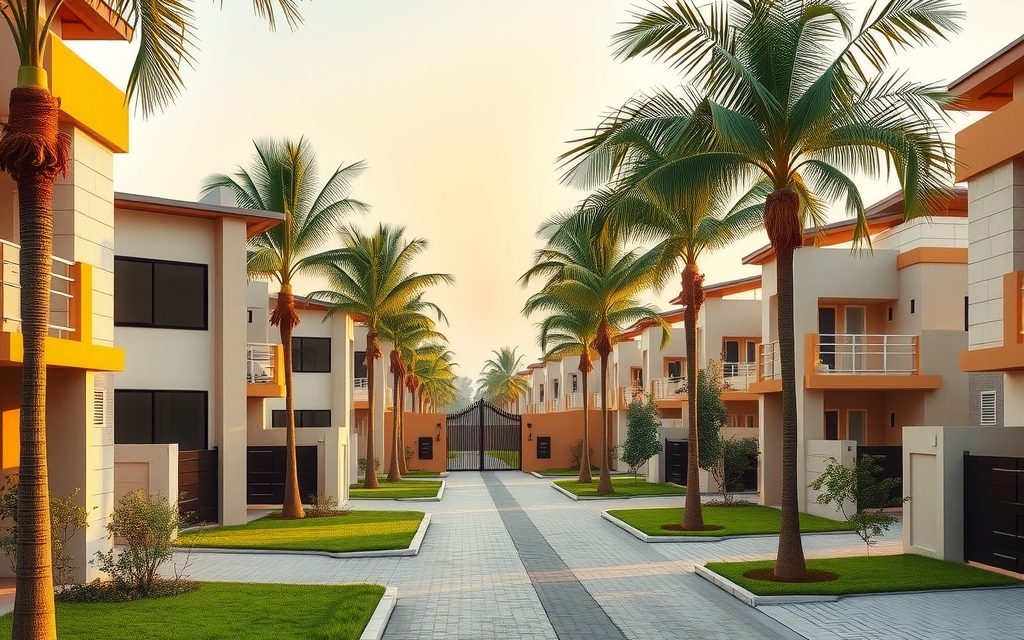
Kollur offers Tellapur-style gated villas at lower tickets, with its own ORR interchange. Most supply is under construction, so developer record, approvals and a realistic commute test matter more than usual.
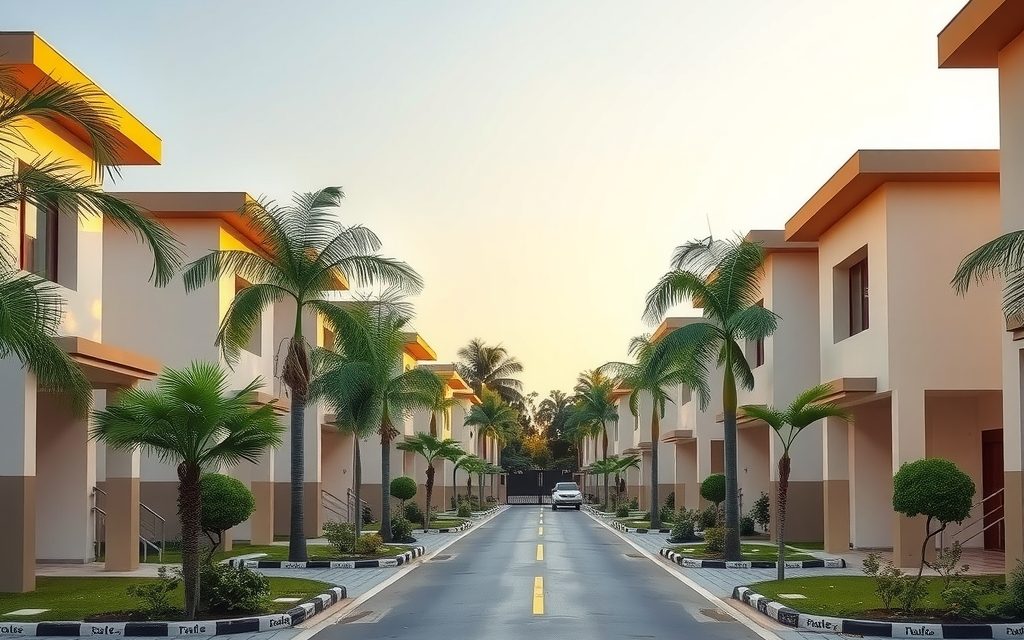
Tellapur is west Hyderabad's busiest villa belt: township-scale gated communities, row and independent villas from about ₹2.2 crore, Meru International School nearby and a 25–40 minute run to Gachibowli.

Kokapet is the closest point to the Financial District where gated villa communities still exist. Expect tight supply, land-led pricing from about ₹6 crore, and careful title and approval checks.

Kokapet, Tellapur and Mokila sit on the same western growth line but sell very different villas. We compare indicative rates, tickets, commute, supply, approvals and rents as of October 2026, and who each belt suits.