Agriculture & Farm Land in Ameenpur, Sangareddy
Residual agricultural parcels in an urbanised mandal between Miyapur and Patancheru, around India's first biodiversity-heritage lake. Priced against suburban plot rates; lake buffers and zoning decide what is usable.
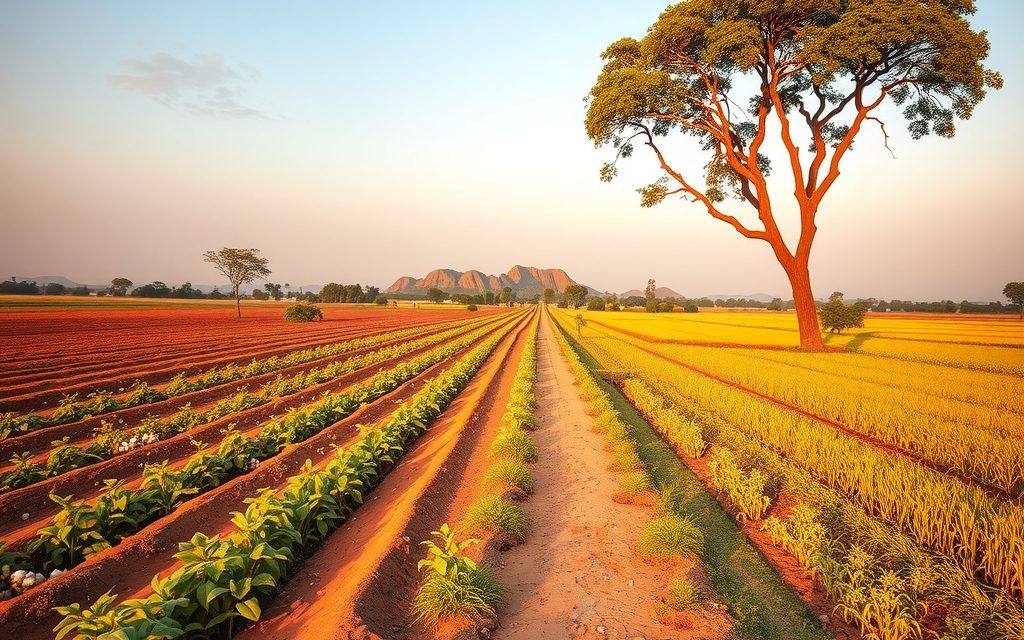
- Inside the ORR; Miyapur metro 20–30 min, ORR Patancheru interchange 15–20 min
- Ameenpur lake: notified a biodiversity heritage site in 2016; 30 m buffer typical
- Agricultural land registers at the Ameenpur Tahsildar; converted land largely at Patancheru SRO
- Red loam, bores roughly 500–1,000 ft; test water quality near the industrial belt
- Most offers 10 guntas–2 acres; usable area after FTL and buffer is what you pay for
| What | Indicative range | Note |
|---|---|---|
| Residual agricultural land, residential zone, inside the suburb | ₹9 Cr – ₹16 Cr per acre | indicative, as of October 2026 |
| Outer edge toward Sultanpur and Kistareddypet | ₹6 Cr – ₹10 Cr per acre | indicative, as of October 2026 |
| Main-road frontage with commercial potential | ₹16 Cr – ₹30 Cr per acre | indicative, as of October 2026; verify widening and use |
| Lake-side or conservation-zoned land, partly in buffer | ₹3 Cr – ₹6.5 Cr per acre | indicative, as of October 2026; FTL land may be unsaleable |
| Small agricultural portions sold in guntas | ₹25 L – ₹50 L per gunta | indicative, as of October 2026; usually unapproved |
Ranges reflect recent transactions and advisor observation as of 2026-10. Always verify against the sub-registrar market value and the specific parcel.
Ameenpur is no longer a farming village with a lake. It is a Hyderabad suburb that happens to contain one of the most protected lakes in the country, a scattering of smaller tanks, and a dwindling number of fields that still carry an agricultural record. Drive in from Miyapur or Beeramguda and you pass apartment blocks, independent-house colonies and gated villa layouts before you see any cultivation at all. For anyone searching for agriculture land in Ameenpur, that context is everything: what you can buy here is residual agricultural land inside an urbanised mandal of Sangareddy district, priced against suburban plot rates and hemmed in by lake protections. This guide covers how that residual market behaves as of October 2026, what heritage-lake status and buffers mean for an individual survey number, indicative per-acre prices, the title checks that matter most here, and how registration works at the Ameenpur mandal Tahsildar office.
If you are hoping to farm, we will say it plainly now: Ameenpur is the wrong place. If you want to hold or develop a scarce piece of land close to Miyapur and the western IT corridor, and you are willing to do serious due diligence, read on.
Ameenpur today: why residual agricultural land still sells
Ameenpur grew from a village into a municipality and mandal headquarters in little more than a decade, driven by its position between the Miyapur–Chandanagar apartment belt and the Patancheru industrial and research corridor. Several forces keep demand for its last agricultural parcels strong.
- Proximity to Miyapur. The Red Line metro terminal at Miyapur is typically 20 to 30 minutes away, and Chandanagar's shopping streets, schools and hospitals are closer still.
- A diverse job base. BHEL, ICRISAT, the Patancheru and Pashamylaram industrial areas, the Medical Devices Park at Sultanpur and the IT offices of Hitech City and the Financial District all draw residents here.
- The green setting. The lake, birdlife and open skies give Ameenpur a quality that the denser apartment belt next door lacks, and buyers pay for it.
- Scarcity. Inside the ORR on the north-western side of the city, agricultural survey numbers have almost disappeared. Ameenpur still has a few, mostly on its outer edges toward Sultanpur and Kistareddypet and in the low land around its water bodies.
Every one of those forces raises the price. None of them makes the land suitable for farming.
Who buys agricultural land in Ameenpur, and what they are really buying
From the transactions we have seen and the enquiries we receive, buyers fall into three groups:
- Small and mid-sized developers looking for a parcel to complete a layout or a villa project, who price the land on what it will yield once converted.
- Land bankers from Miyapur, Chandanagar and Kukatpally who want to hold a scarce asset nearby for seven to ten years, sometimes with a joint development exit in mind.
- Landowning families consolidating fragmented holdings to make them more saleable.
Parcels are usually small, typically 10 guntas to 2 acres, and often irregular because neighbouring land has been taken into layouts. Agricultural use, where it continues, is a holding activity: grass, fodder or vegetables grown by a tenant until the owner decides what to do. The record says agricultural; the market says development land with conditions attached.
Where Ameenpur sits: Miyapur, Beeramguda, Patancheru and the ORR
Ameenpur lies inside the Outer Ring Road, wedged between Miyapur and Chandanagar on its east and Patancheru on its west. Beeramguda, on NH-65 beside the BHEL township, marks its southern edge. Roads from Miyapur and from Beeramguda are the two main approaches, with interior roads running north toward Sultanpur and west toward the Patancheru side.
Traffic is the weak point. The approaches through Miyapur and Beeramguda were built for a village and now carry a suburb, and widening has been piecemeal. Pockets on the outer edge can feel far from the main roads even when they look close on a map, which is one reason prices vary so much within the mandal.
| From central Ameenpur to | Approx. distance | Typical drive, off-peak |
|---|---|---|
| Miyapur metro terminal | 6–9 km | 20–30 min |
| Beeramguda and NH-65 | 3–5 km | 10–15 min |
| ORR Patancheru interchange | 9–12 km | 15–20 min |
| Hitech City | 18–22 km | 40–60 min |
| Patancheru town | 8–11 km | 15–25 min |
| Sultanpur Medical Devices Park | 5–8 km | 12–20 min |
The heritage lake: what Ameenpur lake's status means for land
In 2016, the Telangana State Biodiversity Board notified Ameenpur lake as a biodiversity heritage site under the Biological Diversity Act, the first water body in India to receive that recognition. The lake is an old irrigation tank, commonly dated to the Qutb Shahi era, and it supports a large population of resident and migratory birds. For land buyers, the lake's status raises the stakes on three questions.
Where is the full tank level?
Land inside the FTL is treated as part of the water body. Over the decades, parts of the lake bed have been cultivated, and some carry patta or passbook entries. None of that converts lake bed into buildable land. Developers will not pay development value for it, and enforcement agencies treat construction there as encroachment.
How wide is the buffer, and are there extra restrictions?
Under the state's building rules, lakes of 10 hectares or more typically carry a 30 m buffer from the FTL, and Ameenpur lake is well above that size. Beyond the standard buffer, a heritage-site notification can be accompanied by management measures to protect the habitat. The practical effect is that land near the lake attracts closer scrutiny than land beside an ordinary village tank. Any parcel within a few hundred metres of the lake needs its position checked against official maps before price is discussed.
What does the record say about classification?
Older revenue records sometimes classify lake-side survey numbers in ways that do not match their current use. A field may be recorded as tank-bed land, government land or poramboke even though it has been farmed for years. These classifications can make land unsaleable or place it on the Section 22-A prohibited list. Our guide to lake FTL and buffer zones explains how to verify them.
We do not quote a price on any Ameenpur parcel near water until the FTL and buffer have been checked on official maps and, where needed, marked on the ground by a licensed surveyor.
The other water bodies, nalas and HYDRAA
Ameenpur lake is the famous one, but it is not the only constraint. The mandal has smaller tanks, kuntas and the nalas that connect them, each with its own FTL and setback. A parcel well away from the main lake can still lose part of its usable area to a kunta most visitors never notice, or to a nala that the master plan protects.
Because Ameenpur lies inside the ORR, it falls within the operating area of HYDRAA, the agency formed in 2024 to protect lakes and public assets in the Hyderabad region. Enforcement against structures inside FTL and buffer limits has included demolitions in the wider Ameenpur–Patancheru belt. The lesson for land buyers is that an earlier approval, a builder's assurance or the presence of neighbouring buildings does not settle the question. Only verified maps do.
Zoning is the other filter. Ameenpur falls within HMDA's planning area, and each survey number carries a master-plan land use: residential, commercial, conservation, recreational, water body or another category. Residual agricultural land in a conservation or water-body related zone cannot be priced like land in a residential zone, whatever the seller says. You can begin with the HMDA website, but survey-level zoning should be plotted by someone who reads these maps routinely.
Soil, water and the farming that survives
Ameenpur's soils are mostly red loam, with heavier, darker soil in the low fields below the tanks. Historically, those low fields grew paddy using tank water, and the higher ground carried rain-fed crops, fodder and a few orchards of mango, sapota and guava. Cotton and maize were common in the wider Patancheru belt.
Today, cultivation in Ameenpur is fragmentary. Where it continues, it relies mainly on borewells, which have been drilled ever deeper as apartments, colonies and gated communities sink their own bores; agricultural bores in the surrounding area commonly go 500 to 1,000 ft. Groundwater quality also needs checking, given the proximity of the Patancheru industrial belt, where studies over several decades have reported contamination in parts of the area. If you plan to keep land under cultivation while you hold it, test both yield and water quality.
Be realistic: no crop grown on an acre priced in crores will make a return. Keep the land fenced, clean and visibly in use; leave the farming to buyers further out.
Agriculture land in Ameenpur: indicative prices per acre
These are indicative ranges from recent transactions and advisor observation as of October 2026, not quotes. In Ameenpur, lake position, zoning, access and title quality decide almost everything.
| Parcel type | Indicative range | What decides the number |
|---|---|---|
| Residual agricultural land, residential zone, 30–33 ft road, inside the suburb | ₹9 Cr – ₹16 Cr per acre | Priced off released HMDA plot rates nearby |
| Outer edge toward Sultanpur and Kistareddypet | ₹6 Cr – ₹10 Cr per acre | Approach road and distance from services |
| Main-road frontage with commercial potential | ₹16 Cr – ₹30 Cr per acre | Depth after widening, permitted use |
| Lake-side or conservation-zoned land, partly in buffer | ₹3 Cr – ₹6.5 Cr per acre | Usable area; land inside FTL may not be saleable at all |
| Small agricultural portions sold in guntas | ₹25 L – ₹50 L per gunta | Usually unapproved; serious title and access risk |
For comparison, released HMDA plots in Ameenpur have typically traded around ₹40,000 to ₹60,000 per sq yd on 30–33 ft roads, with older regularised colonies and outer-edge layouts lower. An acre produces roughly 2,700 to 2,900 sq yd of saleable plots after roads and open spaces, and the developer pays for conversion, approvals and works. At ₹50,000 per sq yd, gross plot sales on one acre come to about ₹14 crore; an acre bought at ₹12 crore plus around 7.5% in registration charges, conversion and development leaves almost no margin. That is why developers bargain hard on residual parcels and why sellers' asking prices often outrun what the land is worth.
Worked example: pricing a lake-side parcel in Ameenpur
An illustration, simplified and hypothetical, of the kind of exercise we run for clients. Suppose a seller offers 1 acre 20 guntas (1.5 acres) of agricultural land on the low side of a tank, asking ₹10 crore per acre, or ₹15 crore in total, on the argument that a released layout nearby sells plots at ₹50,000 per sq yd.
Step 1: what is actually usable?
Official maps and a surveyor's demarcation show that about 15 guntas of the parcel lie inside the tank's FTL and a further 10 guntas fall within the 30 m buffer. That leaves roughly 35 guntas, a little under 0.9 acre, outside both lines. The land inside the FTL can stay in agricultural use, but has no development value; the buffer strip can serve as open space in a future layout but cannot carry plots.
Step 2: what is the zoning?
The master plan shows the usable portion in a residential use zone, with the buffer strip and FTL area in a water-body related zone. Conversion and layout approval would cover only the residential portion.
Step 3: what would a developer pay?
On 0.9 acre of usable residential land, a layout might produce around 2,400 to 2,600 sq yd of saleable plots, using the buffer strip toward open-space requirements. At ₹45,000 to ₹50,000 per sq yd, gross sales would be roughly ₹11 crore to ₹13 crore, before conversion fees, approval charges, works, marketing and the developer's margin. A developer would rationally value the whole parcel at perhaps ₹6 crore to ₹8 crore, not ₹15 crore.
Step 4: the negotiation
Armed with the survey and zoning, the buyer has a factual basis to offer a price tied to usable area rather than gross extent. Sometimes the seller accepts; often the seller refuses, and the buyer walks away having spent a modest sum on survey and legal checks rather than overpaying by crores. Either outcome is a good one.
The figures above are illustrative, not a valuation of any real parcel. The method is what matters: in Ameenpur, gross acreage is not the asset; usable, correctly zoned, legally accessible land is.
Types of parcels in Ameenpur
Leftover acre inside the suburb
Surrounded by colonies or layouts, usually with access via a colony road. The questions are whether the access is legally yours to use, whether the colony road appears in the master plan, and whether the zoning permits what you want to do.
Outer-edge holdings
Toward Sultanpur, Kistareddypet and the Patancheru side, holdings are larger and less hemmed in, and prices step down. Industrial neighbours and heavier traffic are part of the picture here. Compare agriculture land in Patancheru and farm land in Isnapur if you are considering this side.
Low land near the tanks
Often offered at a discount. Suitable only for a buyer who has priced the usable area after FTL and buffer and accepts that part of the land will stay open permanently.
Gunta portions and unapproved plots
Slices of agricultural land sold as "plots" without layout approval. Ameenpur has many older colonies that began this way, and some are still waiting for regularisation. We advise buyers who want a house site to buy a released, approved plot instead; see open plots in Ameenpur. Buyers who want a finished home can compare villas in Ameenpur or apartments in Ameenpur.
Legal checklist for agricultural land in Ameenpur
Ameenpur's rapid conversion has left a trail of disputed survey numbers, overlapping sales and records that lag reality. We follow the standard Telangana checklist and add lake-specific steps:
- Pattadar passbook in the seller's name for the extent offered.
- Bhu Bharati record of rights, successor to Dharani, with the correct survey and sub-division numbers, patta classification and no prohibition flag. Check it yourself on the Telangana land records portal.
- 1B and pahani extracts going back as far as available, watching for any year in which the land was classified as tank bed or government land.
- Encumbrance certificate for 30 years or more, looking for earlier development agreements, agreements of sale and mortgages.
- Link documents for every transfer, including partitions and succession.
- Survey number and FMB sketch, followed by a licensed surveyor's demarcation, including FTL and buffer lines.
- NALA status of any part already converted.
- Section 22-A prohibited properties list, especially for lake-side and government-adjacent survey numbers.
- Assigned land caution. Assigned land cannot be sold under the Prohibition of Transfers Act.
- GO 58/59 regularisation orders, where the title rests on them.
- Forest, urban land ceiling and agricultural ceiling checks. Some survey numbers in this belt went through ULC proceedings; confirm closure.
- HMDA zoning, heritage-lake measures and nala setbacks, all plotted on the survey sketch.
Every Ameenpur file we take forward is reviewed by an independent advocate. Disputes here can take years, so walking away early is often the best decision a buyer makes.
Registration at Ameenpur: Tahsildar, SRO, charges and TDS
Unconverted agricultural land in Ameenpur mandal registers at the Ameenpur Tahsildar office, where the Tahsildar acts as joint sub-registrar under Bhu Bharati and mutation is completed in the same step. NALA-converted land, plots, villas and flats register at the jurisdictional Sub-Registrar Office, largely the Patancheru SRO for this mandal, which we confirm from the survey number before booking.
| Item | Approximate position | Note |
|---|---|---|
| Stamp duty | About 5.5% | On the higher of market value and consideration |
| Transfer duty | About 1.5% | Collected with stamp duty |
| Registration fee | About 0.5% | Total roughly 7.5% |
| TDS under Section 194-IA | Likely applicable above ₹50 lakh | Land in municipal limits is usually not rural agricultural land |
We verify current rates and market values on the day of registration. The 1% TDS under Section 194-IA is not deducted on purchases of rural agricultural land. Ameenpur, however, is a municipality, and agricultural land within municipal limits, or within the prescribed distance of them, is generally treated as a capital asset under income-tax law. For most Ameenpur parcels priced above ₹50 lakh, the buyer should expect to deduct TDS. Civic boundaries around the ORR have also been reorganised in recent years, so a chartered accountant should confirm the position for your survey number.
Who should consider Ameenpur agricultural land
Consider it if you are a land banker or developer who understands that you are buying scarce suburban land with lake and zoning conditions; you have a seven-to-ten-year horizon or a credible development or joint development plan; and you will walk away from any parcel that fails the FTL, buffer, zoning or title checks.
Look elsewhere if you want to farm, plant an orchard, or build a weekend farmhouse; if you need liquidity within a few years; if you are relying on bank finance for agricultural land as a non-farmer; or if a "discounted" lake-side parcel looks too good to be true. For residual land with an IT-corridor profile, compare agricultural land in Tellapur; for genuine farmland, look 20 km or more beyond the ORR.
NRIs and agricultural land in Ameenpur
NRIs and OCI cardholders cannot purchase agricultural land, plantation property or farmhouses in India under FEMA, and they cannot receive such property as a gift. They can inherit it from a resident relative and may sell inherited agricultural land only to a resident Indian. A returning NRI who regains resident status can buy like any resident.
For NRIs who want to own in Ameenpur, approved plots, villas and apartments are permitted, paid for through NRE or NRO accounts. The detail is in our guide to NRI agricultural land rules in Telangana. Consult a chartered accountant on tax.
How NRR Estates handles an Ameenpur land purchase
We act for buyers only, with our fee disclosed in writing before any commitment. In Ameenpur, most of the work happens before the site visit.
- Purpose and budget. Development site, land bank or joint development: we agree the goal first.
- Map work. Each survey number is checked against lake FTL and buffer data, heritage-lake measures, nala setbacks and HMDA zoning.
- Site visit. Boundary walk, access checks, neighbours' account of history and disputes, and a look at the bore and water quality.
- Title review. Full document set and independent advocate's opinion, with particular attention to classification history.
- Negotiation. Price argued from usable area and comparable deals; written agreement with staged payments and seller obligations.
- Registration and mutation. Attendance at the Ameenpur Tahsildar or the jurisdictional SRO and follow-up until records are updated in your name.
When a parcel fails, we tell you why, in writing.
Ameenpur farm land: frequently asked questions
Is there still agriculture land for sale in Ameenpur?
A little. Ameenpur is now effectively a Hyderabad suburb, but some survey numbers still carry an agricultural record, mostly on the outer edges toward Sultanpur and Kistareddypet, in leftover pockets between colonies, and in low land around the lake and smaller tanks. Parcels are usually 10 guntas to 2 acres and are bought by developers and land bankers rather than farmers. Where cultivation continues, it is a holding activity. Anyone who wants to farm should look 20 km or more beyond the ORR.
What does agricultural land in Ameenpur cost per acre?
As of October 2026, residual agricultural land in a residential use zone inside the suburb typically trades between ₹9 crore and ₹16 crore per acre, because buyers price it against released HMDA plots at roughly ₹40,000 to ₹60,000 per sq yd. Outer-edge land toward Sultanpur sits around ₹6 crore to ₹10 crore, while lake-side or conservation-zoned land sells far lower depending on usable area. These are indicative ranges from recent transactions and advisor observation, not quotes for any parcel.
How does the heritage status of Ameenpur lake affect nearby land?
Ameenpur lake was notified as a biodiversity heritage site in 2016, the first water body in India to be so recognised. Land inside its full tank level is part of the water body and cannot be built on, whatever the revenue record says. A buffer, typically 30 m for a lake of its size, restricts construction around it, and heritage-site management measures add scrutiny. We check every nearby survey number against official maps and have the lines surveyed on the ground before discussing price.
Where is agricultural land in Ameenpur registered?
Unconverted agricultural land registers at the Ameenpur mandal Tahsildar office, where the Tahsildar acts as joint sub-registrar under Bhu Bharati and mutation is completed in the same step. NALA-converted land, plots, villas and flats register at the jurisdictional Sub-Registrar Office, largely the Patancheru SRO, which we confirm from the survey number. Government charges are approximately 5.5% stamp duty, 1.5% transfer duty and 0.5% registration fee, about 7.5% in total. We verify current rates on the day.
Does 1% TDS apply to agricultural land in Ameenpur?
Usually, yes, above ₹50 lakh. The 1% TDS under Section 194-IA does not apply to rural agricultural land, but Ameenpur is a municipality, and agricultural land within municipal limits or within the prescribed distance of them is generally treated as a capital asset under income-tax law. Most Ameenpur parcels therefore fall outside the rural exemption. Civic boundaries around the ORR have been reorganised in recent years, so a chartered accountant should confirm the position for the specific survey number before registration.
Why are lake-side parcels in Ameenpur offered at a discount?
Because part of the land is often inside the full tank level or the buffer, or carries an old classification such as tank bed or government land. Inside the FTL, the land has no development value; inside the buffer, it cannot carry buildings. Some lake-side survey numbers also appear on the Section 22-A prohibited list. The discount usually reflects real limits on use. Price such land only on its usable, correctly zoned area after a surveyor's demarcation and an advocate's opinion.
Can NRIs buy agricultural land in Ameenpur?
No. NRIs and OCI cardholders cannot purchase agricultural land, plantation property or farmhouses in India under FEMA, and cannot accept them as gifts. They may inherit agricultural land from a resident relative and sell it later only to a resident Indian. NRIs who want to own in Ameenpur can buy approved HMDA plots, villas or apartments using funds from NRE or NRO accounts. A returning NRI who becomes resident again can buy agricultural land like any other resident.
Is Ameenpur better than Patancheru or Isnapur for land banking?
It depends on budget and risk appetite. Ameenpur offers suburban services, proximity to Miyapur and a green setting, but residual land is expensive and lake constraints are tight. Patancheru and Isnapur, further west along NH-65, offer larger holdings at lower per-acre prices, with industrial neighbours, heavier traffic and groundwater-quality questions instead. Buyers with a long horizon and a moderate budget often get more usable land on the Patancheru side; those prioritising location pay up for Ameenpur.
Related guides
Ameenpur, between Miyapur and Patancheru, still offers HMDA and LRS plots in a lake-side suburb. Indicative rates by pocket, what the biodiversity heritage site and lake buffers mean for buyers, and the legal checks that matter.
Ameenpur is a mid-segment gated-villa suburb between Miyapur and Patancheru, built around a protected biodiversity heritage lake. See pocket-wise price ranges, commute times, and the lake FTL, buffer and municipal-boundary checks every buyer needs.
Ameenpur's lake-side high-rises offer larger flats than Miyapur at lower prices, 20 to 30 minutes from the metro. Pockets, price bands, rents and the lake FTL and buffer checks that decide whether a tower is safe to buy.
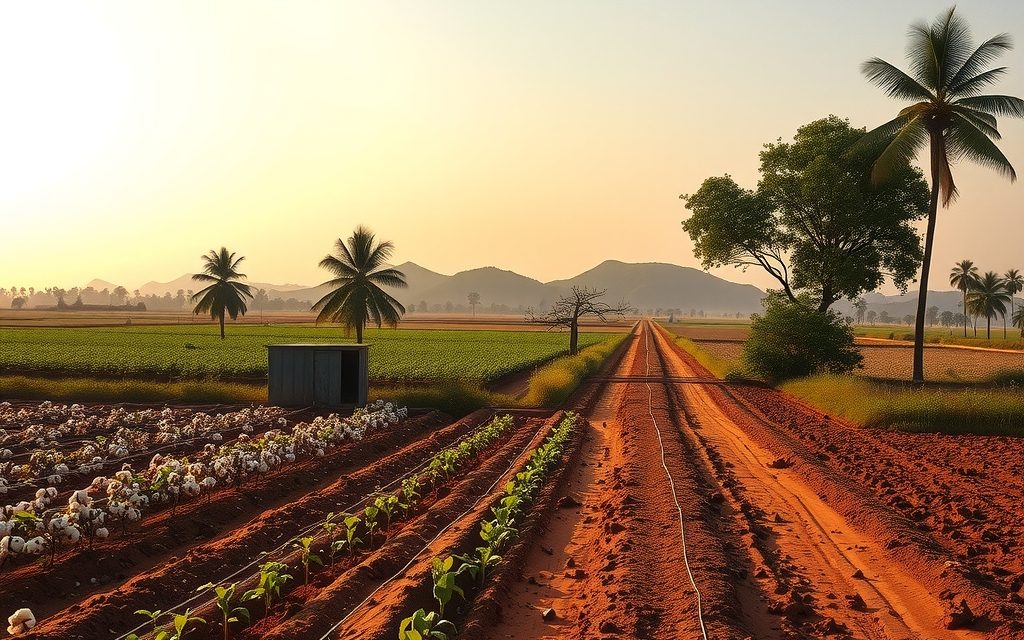
Farm land at the ORR's Patancheru exit, where an industrial belt meets mango orchards towards Rudraram and Isnapur. Groundwater and Nakkavagu checks come first; outer villages still trade at farm prices.
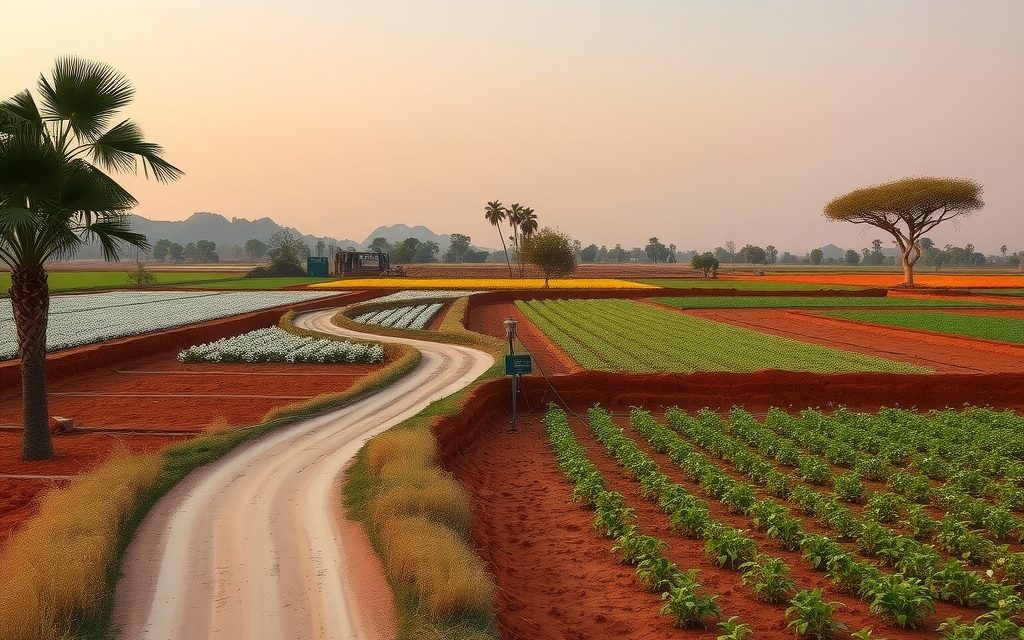
Farm land and residual development parcels on the Mumbai highway 4–7 km past the ORR Patancheru interchange. Orchards toward Rudraram and Bhanur, layouts toward Muthangi, and an industrial legacy that makes water tests essential.
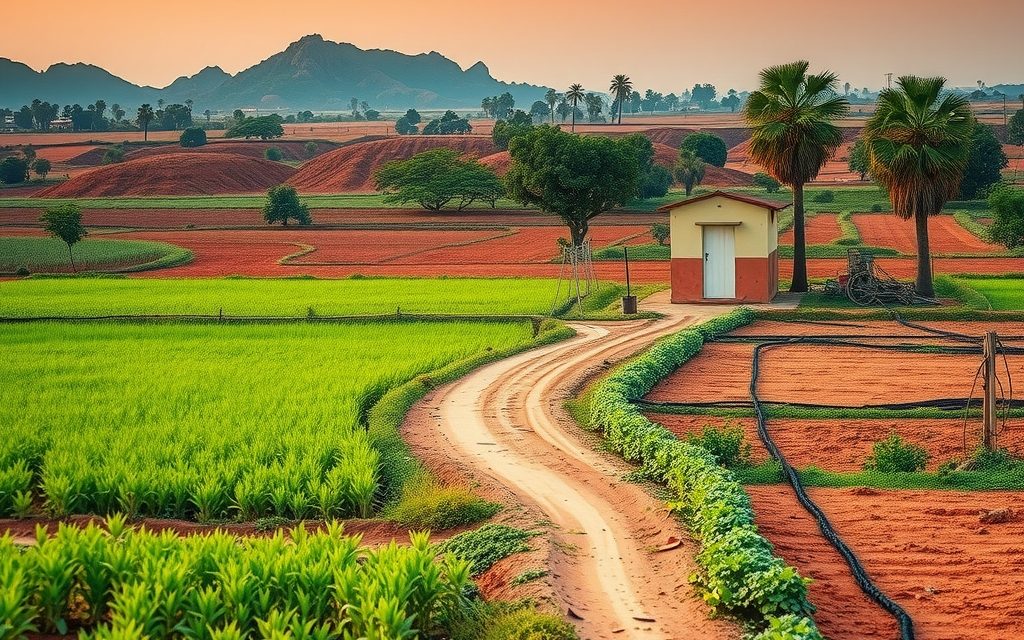
The last agricultural parcels behind Tellapur's townships, toward Osman Nagar and the Kollur edge. Indicative per-acre bands, access and easement traps, tank buffers and Sangareddy-district registration.
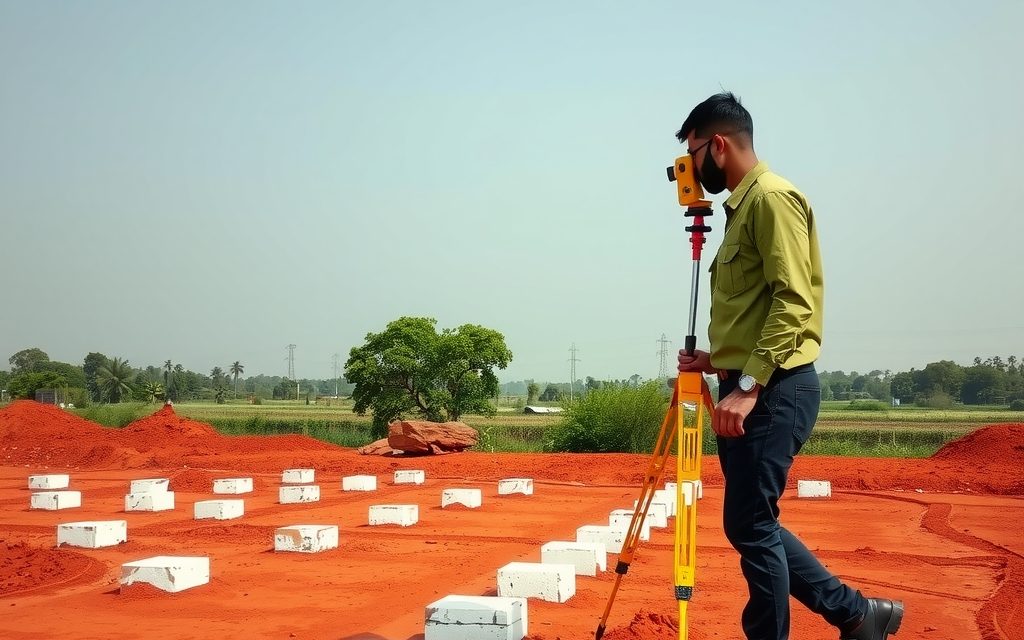
What lake full tank levels and buffer zones mean for plot, villa and flat buyers in Hyderabad: buffer distances, who draws the FTL, how HYDRAA enforces, how to check a property against lake maps, and why clean title is not enough.

NRIs and OCIs cannot buy or receive gifts of agricultural land, plantations or farmhouses; inheritance is the only route. What inherited land allows, why benami workarounds are dangerous, and the lawful alternatives near Hyderabad.