Agriculture & Farm Land in Bhanur, Sangareddy
Red-loam and black-soil farmland in Patancheru mandal, 10 km from the ORR. Far cheaper per acre than Kollur, but water quality, industrial buffers and defence land must be checked first.
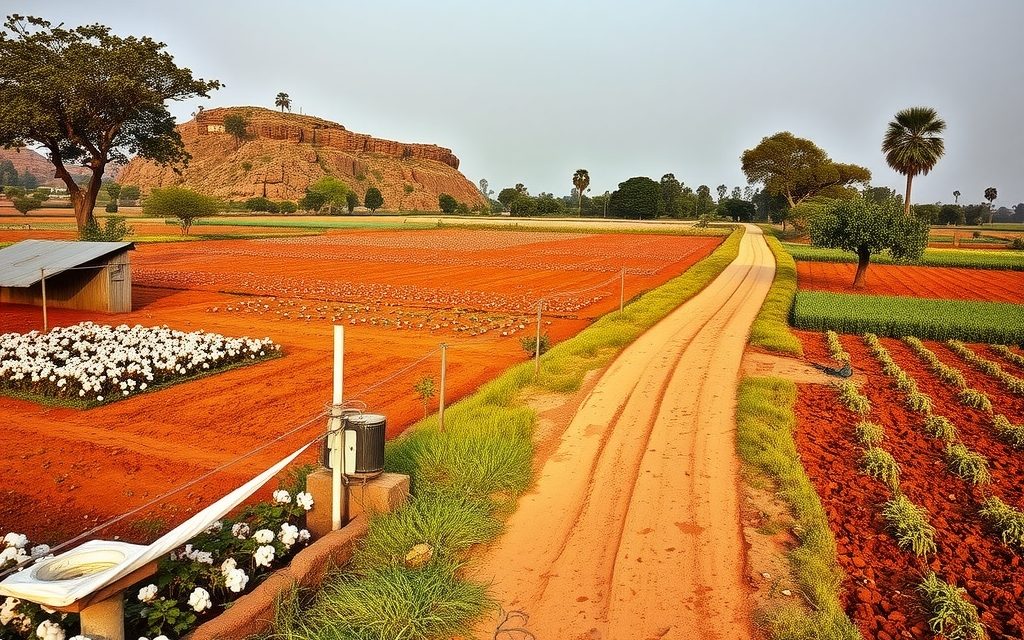
- About 10 km from the ORR Patancheru interchange; Gachibowli 40–55 min off-peak
- Agricultural land registers at the Patancheru Tahsildar as joint sub-registrar
- Borewells typically 300–700 ft; lab-test water near Nakkavagu and industrial drains
- Red loam uplands, black-soil low fields; cotton, maize, paddy, mango, sapota
- Typical parcels 1–10 acres; BDL unit and Ordnance Factory Medak nearby
| What | Indicative range | Note |
|---|---|---|
| Interior patta land, upland, village BT road | ₹1.8 Cr – ₹3.5 Cr per acre | indicative, Oct 2026 |
| Isnapur–Bhanur road frontage | ₹3.5 Cr – ₹6 Cr per acre | indicative, Oct 2026; check zoning |
| Low-lying land near streams or industrial units | ₹1.2 Cr – ₹2.2 Cr per acre | indicative, Oct 2026 |
| Land adjoining defence boundaries | ₹1.5 Cr – ₹3 Cr per acre | indicative, Oct 2026 |
| Interior farmland toward the Sangareddy side | ₹1.2 Cr – ₹2.5 Cr per acre | indicative, Oct 2026 |
| Small agricultural parcels sold in guntas | ₹10 L – ₹20 L per gunta | indicative, Oct 2026; often unapproved |
Ranges reflect recent transactions and advisor observation as of 2026-10. Always verify against the sub-registrar market value and the specific parcel.
Bhanur is a village in Patancheru mandal of Sangareddy district, a few kilometres north of the Mumbai highway between Patancheru and Isnapur. On one side lies one of Telangana's oldest industrial belts; on the other, a defence manufacturing campus; and between them, fields of cotton, maize and paddy that have been farmed by the same families for generations. Anyone researching agriculture land in Bhanur needs to see all three at once, because each one changes what a parcel is worth and what you can do with it.
This guide is our honest assessment of the Bhanur farm-land market as of October 2026. It covers the location and access, the soil and the water question that dominates this belt, indicative price bands, the types of parcels you will be offered, the specific legal and environmental checks we run near Patancheru, how registration works at the Patancheru Tahsildar office, and who should and should not buy here.
Why Bhanur comes up for farm-land buyers
Most buyers arrive at Bhanur after looking at Kollur, Tellapur or Patancheru plots and realising that agricultural land a short drive further out costs a fraction of the plot rate. That gap is real. Bhanur is roughly 10 km from the ORR's Patancheru interchange and 30 to 35 km from Gachibowli, yet agricultural acreage here still trades well below the levels seen around Kollur or Velimela.
The village also benefits from steady infrastructure investment driven by its neighbours. The Isnapur–Bhanur road has improved, power supply is reliable by rural standards, and the presence of large employers keeps demand for housing, and therefore for land, moving north-west from Patancheru. HMDA and DTCP-era layouts have already appeared along the main roads.
Finally, there is the land itself. Bhanur sits on a mix of red loam and darker, heavier soil in the lower fields. Where water is good, it supports cotton, maize, paddy and even sugarcane, which is not something you can say about the rocky ground in many other Hyderabad fringe areas.
The catch is that Bhanur is not a simple countryside story. Industry, pollution history and defence land all shape the market. We explain each below.
Bhanur agricultural land market in October 2026
From recent transactions and our visits in the area:
- Buyers are split. Roughly half the interest comes from land bankers who expect plotting along the Isnapur–Bhanur road; the rest from families wanting 1 to 5 acres for a farm or orchard within an hour of the western IT corridor.
- Prices are sensitive to location within the village. Parcels on a good road away from industrial units trade at clear premiums over low-lying land near streams or factory walls.
- Blocks exist but need work. Contiguous holdings of 5 acres or more are available, but many involve several co-owners and require careful succession checks.
- Environmental questions slow deals. Informed buyers now ask about groundwater quality and nearby effluent sources early, and parcels with no clear answer take longer to sell.
Location and connectivity: Mumbai highway, ORR and the RRR
NH-65 and the Isnapur junction
The Mumbai highway, NH-65, is the main link. From the Patancheru interchange on the ORR, you head west along the highway toward Isnapur and turn north onto the roads that lead to Bhanur. Traffic on this stretch is heavy with trucks serving the industrial estates, so allow extra time at peak hours.
From the IT corridor
From Gachibowli or the Financial District, the ORR to Patancheru and then the highway is the usual route, typically 40 to 55 minutes off-peak. Buyers from Kondapur and Miyapur sometimes prefer the older city route via Chandanagar, BHEL and Patancheru.
Toward Sangareddy
Sangareddy, the district headquarters, is about 15 km further west on NH-65. District offices, courts and the main hospital are there. Many buyers compare Bhanur with agricultural land in Sangareddy, which is cheaper per acre but further from the city.
The Regional Ring Road
The northern arm of the proposed RRR is expected to pass through the Sangareddy area and connect toward Narsapur. Its exact alignment relative to Bhanur depends on official notifications. Treat it as a long-term factor; do not pay a premium for "RRR proximity" without seeing survey numbers in a notification.
| From Bhanur to | Approx. distance | Typical drive (off-peak) |
|---|---|---|
| Patancheru town | 5–6 km | 10–15 min |
| ORR Patancheru interchange | 9–11 km | 15–25 min |
| Gachibowli via ORR | 30–35 km | 40–55 min |
| Kollur ORR interchange | 10–12 km | 20–30 min |
| Sangareddy | 14–16 km | 20–30 min |
| RGIA, Shamshabad via ORR | 65–70 km | 60–80 min |
Soil, water and crops around Bhanur
Red loam with black-soil pockets
Bhanur's upland fields are red loam, reasonably deep in places and easy to work. Lower fields, particularly near streams and tanks, carry darker, heavier soil with more clay. Those black-soil pockets hold moisture well and suit cotton and paddy but drain slowly and crack in summer, which matters if you are planning foundations for a future structure.
Water sources
By our observation, roughly 55 percent of farms rely mainly on borewells, about 10 percent on open wells, around a quarter are largely rain-fed, and about one in ten benefit from tank or channel irrigation. Recent bores have typically gone 300 to 700 ft, shallower than in many hard-rock areas around the city. Depth, though, is not the whole story here.
What grows
- Cotton and maize on the upland red soils during kharif.
- Paddy in tank-fed low fields.
- Sugarcane and turmeric on well-watered parcels, though the area under them has shrunk.
- Vegetables for the Patancheru and Miyapur markets.
- Orchards: mango, sapota and guava, mostly on the upland red soils.
Nakkavagu and groundwater quality: the check that matters most
The Patancheru–Bollaram industrial cluster has long featured in pollution-control assessments as a critically polluted area, and the Nakkavagu stream, which drains part of the belt toward the Manjira, has a documented history of carrying industrial effluent. Villages along Nakkavagu and its feeder streams have dealt with contaminated groundwater for decades. Effluent treatment and enforcement have improved, but contamination in aquifers persists long after a discharge stops.
For a buyer, this means that a high-yielding borewell is not automatically a good borewell. Our practice for any Bhanur-area parcel:
- Map the drainage. Establish whether the parcel lies upstream or downstream of industrial units and whether any stream crossing or bordering it connects to Nakkavagu.
- Test the water. Have samples from the existing bore analysed at an accredited laboratory for standard parameters including dissolved solids, hardness, chlorides, nitrates and heavy metals.
- Talk to farmers. Neighbours know whether crops have suffered, whether livestock drink from the bore, and whether drinking water comes from the bore or a supply line.
- Look at the soil. White crusts, discoloured patches or stunted growth in low-lying fields can indicate salinity or contamination.
Many parcels in Bhanur test perfectly well. But you should know the result before you pay, and the price should reflect it. Low-lying land near streams that drain the industrial area should be priced at a clear discount, or avoided.
Defence neighbours: BDL Bhanur and Ordnance Factory Medak
Bharat Dynamics operates a manufacturing unit at Bhanur, and the Ordnance Factory Medak campus at Yeddumailaram lies a short distance to the west. Large defence estates have boundary walls, security perimeters and, historically, restrictions on construction near those walls.
The Ministry of Defence has revised its guidelines on construction near defence establishments in recent years, and rules vary with distance and the category of establishment. For a farmer, the restrictions rarely matter. For a buyer planning to convert and build, especially multi-storey structures, they can. If a parcel adjoins a defence boundary, we check the current guidelines and any local authority practice before price is discussed, and we expect the price to reflect any constraint.
Defence land itself is government land. Make sure the parcel you are buying is not part of, or encroaching on, any defence estate. The survey number and FMB sketch, combined with a physical survey, settle this.
Industrial buffers and HMDA zoning
Bhanur lies within the HMDA planning area. Every survey number carries a land-use designation in the master plan. Around Patancheru and Isnapur, significant areas are designated for manufacturing or industrial use, while others are residential, conservation or other categories.
- Residential zone: conversion and layout approval are possible, which supports development value.
- Manufacturing or industrial zone: attractive to industry, less so for a farmhouse or residential layout.
- Conservation zone: limited development rights; land stays agricultural in practice.
- Buffers: zones around industrial estates, water bodies and certain installations carry further restrictions.
Check the zoning of the exact survey number against the current master plan on the HMDA website and have it interpreted by someone familiar with these maps. Prices quoted by sellers often assume residential potential that the zoning does not support.
Pockets around Bhanur and how they differ
Along the Isnapur–Bhanur road
This is where layouts have appeared first and where land is priced most clearly on plotting potential. Access is good and services are close, but so are trucks and some industrial units. Expect sellers to quote development-land prices, and check zoning before accepting them.
The village core and its immediate fields
Fields within a kilometre or two of the village settlement tend to be older family holdings with long cultivation histories. Title chains can be long, with several generations of succession, so link documents and co-owner consent need careful attention. Water quality varies with drainage direction.
Toward the defence estates
Land on the side facing the BDL unit and the road toward Yeddumailaram is quieter and often cheaper, but boundary checks and defence guidelines become relevant. Good for farming buyers; more complicated for anyone planning to build.
The northern and western interior
Moving away from the highway toward the Sangareddy side, the landscape becomes more rural, holdings get larger and prices fall. This is the most natural ground for a farming or orchard buyer, provided the approach road is adequate and the water tests clean.
Bhanur farm land prices: indicative bands per acre and per gunta
These are indicative ranges based on recent transactions and advisor observation as of October 2026, not quotes.
| Parcel | Indicative range | Comment |
|---|---|---|
| Interior patta land, upland, village BT road | ₹1.8 Cr – ₹3.5 Cr per acre | Away from industrial units; good water tests |
| Isnapur–Bhanur road frontage | ₹3.5 Cr – ₹6 Cr per acre | Plotting expectation; check zoning |
| Low-lying land near streams or industrial units | ₹1.2 Cr – ₹2.2 Cr per acre | Discount for water and nuisance risk |
| Land adjoining defence boundaries | ₹1.5 Cr – ₹3 Cr per acre | Depends on guidelines and access |
| Interior farmland toward the Sangareddy side | ₹1.2 Cr – ₹2.5 Cr per acre | More rural; larger holdings |
| Small agricultural parcels sold in guntas | ₹10 L – ₹20 L per gunta | Often unapproved plotting; verify |
For comparison, HMDA plots on the Isnapur and Pashamylaram side typically trade around ₹18,000 to ₹30,000 per sq yd. Agricultural land on the Velimela side of Kollur commands several times Bhanur's per-acre price, which tells you how much of the western corridor's premium depends on proximity to the IT district.
A worked example: pricing three acres near Bhanur
To show how the factors above combine, here is a simplified comparison of the kind we prepare for clients. The figures are illustrative, not a quote for any real parcel.
Parcel A is three acres of upland red loam on a 30 ft village BT road, about 2 km from the Isnapur–Bhanur road. The seller is a single pattadar with a clean 30-year EC. The existing bore yields well and the laboratory report is within normal limits. Zoning is residential. A fair indicative price would sit toward the upper half of the interior band, perhaps ₹2.8 crore to ₹3.3 crore per acre.
Parcel B is three acres of darker low-lying soil a similar distance from the road, with a seasonal stream along one boundary that drains from the direction of an industrial estate. The bore yields strongly but the water report shows high dissolved solids. There are four co-owners, one of whom lives abroad. Zoning is partly conservation. Even if the seller asks the same price as Parcel A, the honest valuation is far lower, perhaps ₹1.3 crore to ₹1.8 crore per acre, and only if every co-owner signs and the stream buffer is mapped.
On paper the two parcels are "three acres near Bhanur". In practice, Parcel A costs roughly ₹9 crore and Parcel B perhaps ₹4.5 crore, and Parcel B carries risks that may make it unsuitable at any price. Add roughly 7.5% for stamp duty, transfer duty and registration fee, plus survey, legal and advisory costs, to arrive at the true acquisition cost. This is why we never quote a village-level rate as if it applied to a specific survey number.
Holding Bhanur land: leasing, fencing and keeping records clean
Most buyers do not farm their Bhanur land themselves. A few practical habits protect the asset while you hold it.
- Lease with a written agreement. Neighbouring farmers will often cultivate cotton, maize or vegetables on lease. Keep the term short, put it in writing, and state that the lessee acquires no right in the land.
- Fence and mark the boundary. After the post-purchase survey, fix boundary stones and fence the parcel. Unattended land near a growing town attracts encroachment.
- Keep the records current. Confirm that mutation is reflected on Bhu Bharati, that the new passbook is in your name, and that cultivation entries are accurate.
- Retest water periodically. If you plant an orchard, test the bore every year or two. Aquifer quality near industrial belts can change.
- Watch notifications. Road widening, industrial expansion and master plan revisions all affect value. Visit at least a few times a year or have someone you trust do so.
Parcel types around Bhanur
- Family patta holdings. One to ten acres, often with several co-owners. Clean succession is essential.
- Road-frontage land bought for plotting. Usually priced on future layout potential. Check zoning, access width and conversion costs.
- Gunta-sold parcels. Small portions sold without layout approval, sometimes marketed as farm plots. Building on them legally needs conversion and approval that may not be granted.
- Orchards. Mango or sapota on upland red soil, with drip irrigation. Water quality testing matters even more for perennial crops.
- Land with farmhouse potential. Possible only after NALA conversion, building permission and zoning that allows it.
Buyers who prefer a finished home in this corridor often compare villas in Patancheru and villas in Isnapur, while those who want approved plots look at open plots in Patancheru and Bhanur's own HMDA layouts.
Telangana agriculture land legal checklist for Bhanur
- Pattadar passbook in each seller's name, matching the extent.
- Bhu Bharati record of rights (successor to Dharani), with correct survey and sub-division numbers, patta classification and no prohibition flag. Verify it on the state land records portal.
- 1B and pahani extracts for as many years as available.
- Encumbrance certificate for at least 30 years, including any bank charges.
- Link documents including succession, partition and family settlement deeds.
- Survey number and FMB sketch, with a physical survey, especially near defence or industrial boundaries.
- NALA status, since converted land registers differently.
- Section 22-A prohibited list, covering government, endowment, wakf and certain assigned lands.
- Assigned land. Assigned survey numbers cannot be sold; check history, not just current status.
- 58/59 regularisation, if relevant to the seller's title.
- Forest, ceiling and acquisition checks, including industrial park and road notifications.
- HMDA zoning, industrial buffers, lake FTL, defence proximity and water quality, specific to this belt.
Registration at the Patancheru Tahsildar: process and charges
Bhanur falls in Patancheru mandal, so unconverted agricultural land registers at the Patancheru Tahsildar office, where the Tahsildar acts as joint sub-registrar and mutation happens in the same step. NALA-converted land, plots and villas register at the jurisdictional Sub-Registrar Office, which we confirm from the survey number.
| Charge | Approximate rate | Notes |
|---|---|---|
| Stamp duty | About 5.5% | On market value or consideration, whichever is higher |
| Transfer duty | About 1.5% | Paid with stamp duty |
| Registration fee | About 0.5% | At registration |
| Mutation | Nominal or included | Processed with the sale |
That totals about 7.5% of market value; we verify current rates on the day. The 1% TDS under Section 194-IA does not apply to rural agricultural land, but Bhanur is close to growing municipal areas, and agricultural land within the specified distance of a municipality is treated as a capital asset. Confirm the classification of your parcel with a chartered accountant.
Who Bhanur suits, and who should look elsewhere
Suits
- Land bankers with a 7 to 10 year view who buy on a good road in a residential zone.
- Farmers and orchard buyers who want workable soil within an hour of the western IT corridor and will test water first.
- Families from Patancheru, BHEL and Ameenpur who want land close to home and can visit often.
- Investors comparing per-acre value across the western corridor, who accept industrial neighbours in return for a much lower entry price than Kollur or Velimela.
Look elsewhere if
- You want pristine countryside. Industry is part of Bhanur's landscape.
- You will not test water. Skipping that check here is a serious risk.
- You need to exit quickly or depend on a bank loan.
NRIs and Bhanur farm land
NRIs and OCI cardholders cannot purchase agricultural land, plantation property or farmhouses in India under FEMA, and cannot receive such land as a gift. They can inherit agricultural land from a resident, and may sell inherited agricultural land only to a resident Indian. Returning NRIs who regain resident status can buy like any resident.
For NRIs wanting exposure to this corridor, approved plots such as open plots in Bhanur, or villas in the Patancheru belt, are the legal options. Our guide to NRI agriculture land rules in Telangana sets out the details.
How NRR Estates handles a Bhanur purchase
- Goal and constraints: we confirm whether you want farmland, an orchard or a land bank, then map zoning, defence proximity and drainage for candidate parcels.
- Site visits and water tests: parcels are visited together, bores are run, and samples go to an accredited laboratory where needed.
- Legal verification: passbook, Bhu Bharati, 1B, pahani, 30-year EC, link documents, FMB, 22-A and assigned-land checks, reviewed by an independent advocate.
- Negotiation: pricing backed by comparable transactions and adjusted for any water, zoning or defence constraint.
- Registration and mutation: slot booking, documentation and attendance at the Patancheru Tahsildar or SRO, then follow-up until the passbook issues.
Our fee is disclosed before you commit. If a parcel fails our checks, we tell you plainly.
Bhanur agriculture land FAQs
What is the price of agriculture land in Bhanur?
As of October 2026, interior upland patta land on a village BT road typically trades between ₹1.8 crore and ₹3.5 crore per acre. Frontage on the Isnapur–Bhanur road ranges roughly ₹3.5 crore to ₹6 crore, while low-lying land near streams or industrial units sells for about ₹1.2 crore to ₹2.2 crore. Interior farmland toward the Sangareddy side is around ₹1.2 crore to ₹2.5 crore. These are indicative ranges from recent transactions and advisor observation; water quality, zoning and title decide the price of any parcel.
Is groundwater near Bhanur safe for farming?
Often yes, but you must test it. The Patancheru–Bollaram industrial cluster has long been assessed as critically polluted, and the Nakkavagu stream has a documented history of carrying industrial effluent toward the Manjira. Villages along it have faced contaminated groundwater. Many Bhanur parcels test well, especially uplands away from industrial drainage. Map which way the land drains, have bore water analysed at an accredited laboratory for dissolved solids, chlorides, nitrates and heavy metals, and ask neighbouring farmers about crop and livestock health before paying.
Does defence land near Bhanur restrict what I can build?
It can. Bharat Dynamics has a unit at Bhanur, and the Ordnance Factory Medak campus at Yeddumailaram is close by. Construction near defence boundaries has historically required a no-objection certificate, and while the Ministry of Defence has eased its guidelines in recent years, rules still depend on distance and category of establishment. Farming is rarely affected. If you plan to convert and build, check current guidelines for your survey number, and confirm through a survey that the parcel does not overlap any defence estate.
Where is agricultural land in Bhanur registered?
Bhanur is in Patancheru mandal, so unconverted agricultural land registers at the Patancheru Tahsildar office, where the Tahsildar acts as joint sub-registrar and mutation happens in the same step. Land converted under the NALA Act, plots and villas register at the jurisdictional Sub-Registrar Office, which we confirm from the survey number. Approximate charges are 5.5% stamp duty, 1.5% transfer duty and 0.5% registration fee, about 7.5% of market value; we verify the current rates on the day of registration.
How far is Bhanur from the ORR and Gachibowli?
Bhanur is about 5 to 6 km from Patancheru town and roughly 9 to 11 km from the ORR's Patancheru interchange. Gachibowli is around 30 to 35 km away, typically 40 to 55 minutes off-peak via the ORR and the Mumbai highway. The Kollur interchange is 20 to 30 minutes away and Sangareddy about 15 km to the west. Truck traffic on NH-65 between Patancheru and Isnapur can slow peak-hour journeys, so plan site visits for mid-morning.
Can I convert Bhanur farm land into plots or a farmhouse?
Only if the HMDA master plan allows it for that survey number. Bhanur lies in the HMDA area, where land may be zoned residential, manufacturing, conservation or other uses, and buffers apply around industrial estates and water bodies. Residential-zone land can go through NALA conversion and then layout or building approval. Industrial-zone land suits industry better, and conservation-zone land has limited rights. Check zoning before agreeing a price, because sellers often quote plotting value that the zoning does not support.
Can NRIs buy agriculture land in Bhanur?
No. Under FEMA, NRIs and OCI cardholders cannot purchase agricultural land, plantation property or farmhouses in India, and cannot receive such land as a gift. They can inherit agricultural land from a resident relative and may sell inherited land only to a resident Indian. NRIs who want exposure to the Patancheru corridor can legally buy approved open plots or villas using NRE or NRO funds. Returning NRIs who become resident again can buy agricultural land like any resident.
Is Bhanur a better buy than Kollur or Sangareddy?
It sits between them. Agricultural land near Kollur costs several times more per acre because it is priced on proximity to the IT corridor and the ORR. Sangareddy-side land is cheaper still but further from the city. Bhanur offers a middle ground: workable soil and reasonable access at a lower entry price than Kollur, in exchange for accepting industrial neighbours and running water-quality and defence-proximity checks. If those checks come back clean, Bhanur can represent good value for a patient buyer.
Related guides
Bhanur, off NH-65 beyond Isnapur, is the budget end of the Patancheru stretch: released HMDA plots typically ₹15,000–₹24,000 per sq yd. Approval fringe issues, industrial buffers, prices and who it suits.
Little genuine farmland remains near Kollur's ORR interchange. What is left towards Velimela, Isnapur and Patelguda trades as development land. Indicative per-acre bands, NALA conversion economics and why an approved plot is often the honest answer.
District-headquarters farm land on the Mumbai highway, 25 km past the Patancheru ORR exit. Red loam and black soil, cotton and maize country, larger blocks at a fraction of inner-ring prices.
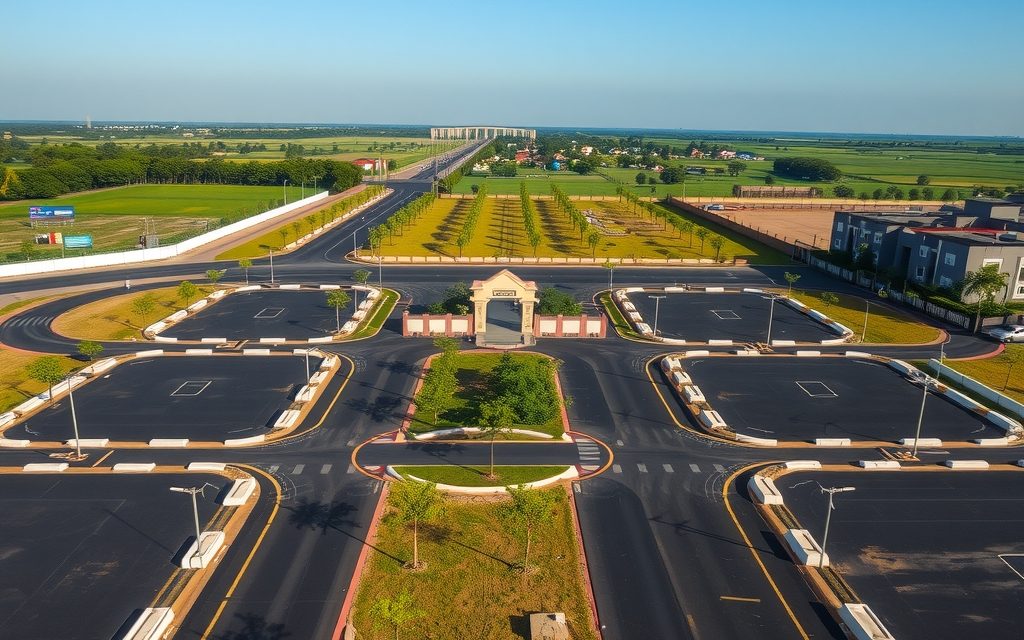
HMDA plots on the Mumbai highway at the ORR Patancheru exit: Rudraram, Isnapur and Muthangi pockets, indicative per-sq-yd prices, industrial-belt realities and the document checks to run before paying an advance.
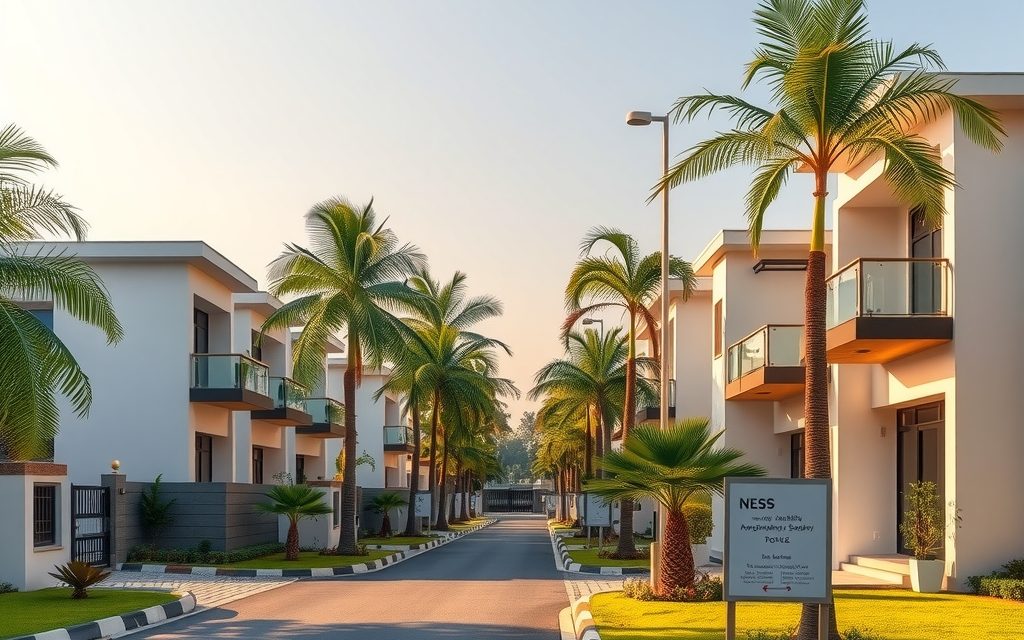
Independent and gated villas across the Patancheru belt on the Mumbai highway, from Ameenpur and Beeramguda to Isnapur, with indicative prices, HMDA approval checks, water-quality advice and commute times to the IT corridor.
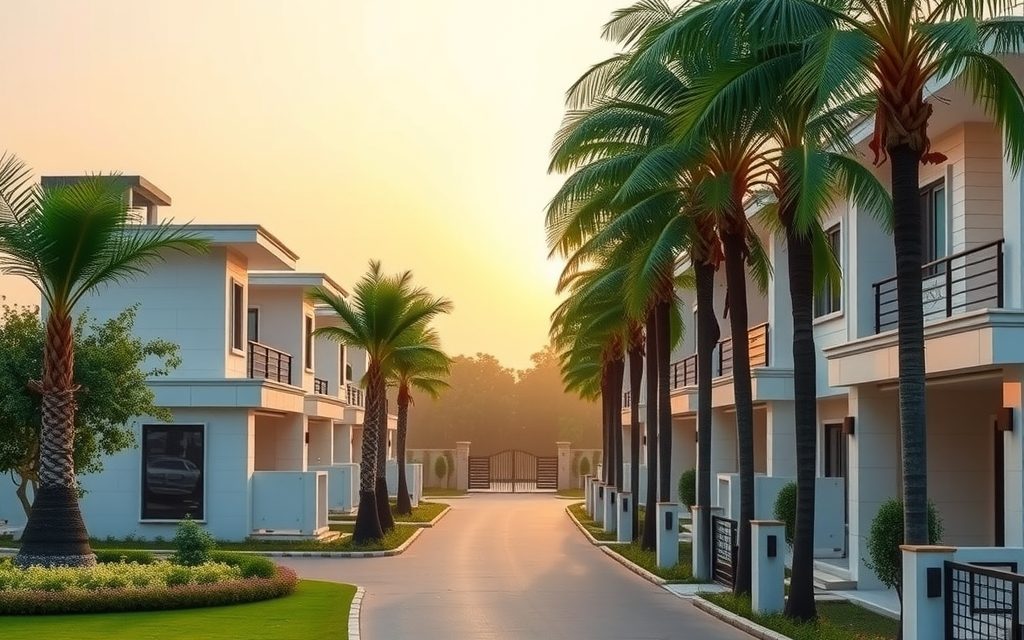
Mid-segment gated, row and independent villas in Isnapur on the Mumbai highway near the ORR Patancheru exit, with indicative prices, industrial-buffer and groundwater checks, approvals and resale outlook.

NRIs and OCIs cannot buy or receive gifts of agricultural land, plantations or farmhouses; inheritance is the only route. What inherited land allows, why benami workarounds are dangerous, and the lawful alternatives near Hyderabad.
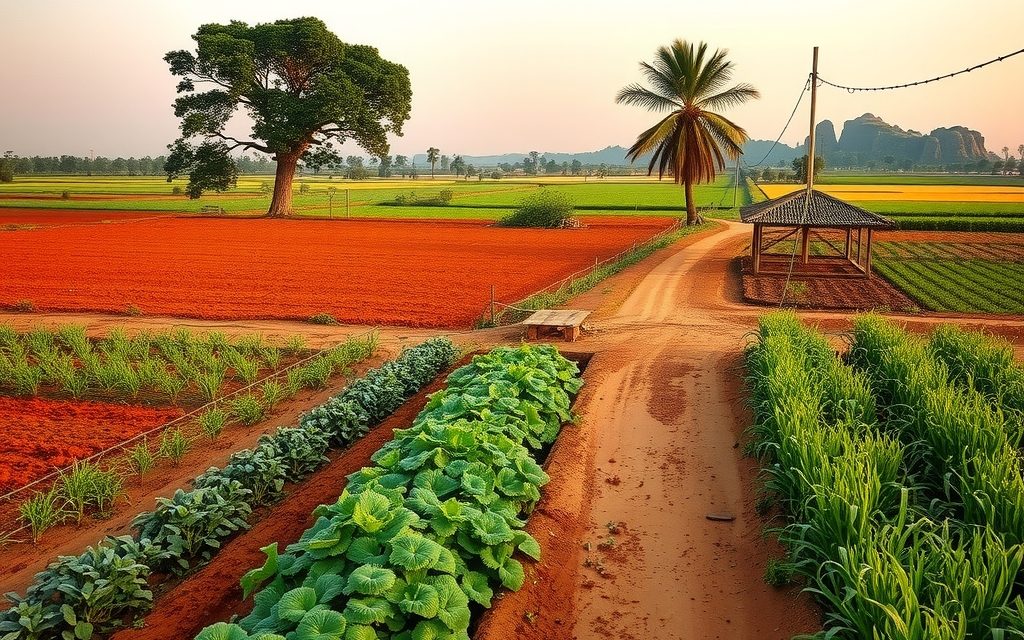
Red-soil farmland 4 km from the ORR beside the Aerospace SEZ and TCS campus. Interior villages still farm vegetables and mango; land near the SEZ is priced as future layout land and needs careful acquisition checks.