How to Check HMDA Layout Approval and LP Number Online
A 10-step method to verify an HMDA or DTCP layout approval: reading the permit and LP number, checking the authority's records, mortgage list and release, EC and RERA searches, TG-bPASS lookups, matching the plan to the ground and handling mortgaged plots.

- A genuine approval is a set: permit letter with LP number, stamped plan, registered mortgage deed, release proceedings, conversion order and RERA registration
- Match the LP number's survey numbers to your sale deed and the land record; a permit for the next survey number does not cover your plot
- Mortgaged plots (commonly 15% of plotted area) cannot be registered until the authority's release covers that exact plot number
- An encumbrance search on the layout's survey numbers should show the mortgage to the authority and any release
- RERA registration, LRS proceedings and panchayat resolutions are not layout approval; insist on the LP number
| What | Indicative range | Note |
|---|---|---|
| LP number and records check online | Free | HMDA or DTCP website, as of Oct 2026 |
| Encumbrance search on layout survey numbers | Free online view; nominal certified copy fee | verify at SRO |
| Licensed survey of a plot | ₹5,000 – ₹20,000 | indicative, Oct 2026 |
| Advocate title and approval opinion | ₹10,000 – ₹30,000 | indicative, Oct 2026 |
| Registration of a released plot | ~7.5% of higher of market value or price | as of Oct 2026, verify |
Ranges reflect recent transactions and advisor observation as of 2026-10. Always verify against the sub-registrar market value and the specific parcel.
Knowing how to check HMDA layout approval and the LP number online is the most useful hour of homework a plot buyer around Hyderabad can do. Every approved layout carries a layout permit (LP) number, an approved plan with the authority's stamp, a mortgage of part of the plots to the authority and, once works are done, a release. Every one of those can be checked, most of it from your phone, before you pay more than a token advance. Most plot disputes we are called into began with a buyer who accepted the words "HMDA approved" on a hoarding, or a photocopy of a plan, without matching the permit to the survey numbers, the plan to the ground and their plot to the release list. This guide sets out the exact verification sequence we use, how to read the documents, how to spot a fake or borrowed approval, how to check building permissions on TG-bPASS, and what to do if the plot you like sits in a mortgaged block.
If you want the background on who approves layouts where, and how HMDA, DTCP and panchayat layouts compare, read our guide to HMDA vs DTCP vs gram panchayat layouts first. This guide is the hands-on verification companion to it. Portals, procedures and fees are stated as of October 2026; authorities redesign their websites and occasionally rename their approvals, so verify the current route when you check.
Who this guide is for
This guide is for anyone about to buy an open plot in an HMDA or DTCP layout around Hyderabad or in a Telangana district town, whether from a developer or in resale, and for NRIs who are buying plots from abroad and need to verify approvals without walking the site. It is equally useful for people who already own a plot and want to confirm, before building or selling, that the layout and their plot are exactly what they were told.
What a genuine layout approval consists of
A layout approval is not a single piece of paper. When HMDA or DTCP approves a layout, it produces a set of documents, and a genuine approval can be traced through all of them.
| Document | What it shows | What to check |
|---|---|---|
| Layout permit letter or proceedings | The LP number, file reference, date, applicant, village, survey numbers, layout area, number of plots and conditions | Village and survey numbers match the land you are buying; applicant matches the owner or developer |
| Approved layout plan | Plot numbers, dimensions, areas, roads with widths, open space, amenity sites, with the authority's stamp and LP reference | Your plot number, size, dimensions and position appear exactly as sold |
| Mortgage deed | A registered deed mortgaging a share of plots (commonly 15% of the plotted area) to the authority as security for development works | Whether your plot number is in the mortgaged list |
| Release proceedings | The authority's order releasing some or all mortgaged plots after works are inspected | Whether the release covers your plot number |
| Conversion order | NALA conversion of the survey numbers to non-agricultural use | Covers all the layout's survey numbers |
| TS RERA registration | Registration of the plotted project where it crosses the threshold | Promoter, survey numbers and plot count agree with the permit |
Draft approval and final approval
Layout approvals come in stages. The first is a draft or technical approval, issued once the plan is scrutinised and the mortgage is executed, which allows the developer to start works and, subject to conditions, sell the unmortgaged plots. The second is the final stage, when works are inspected and the mortgaged plots are released. Different authorities and different periods have used slightly different names for these stages, so focus on the substance: is there an LP number, which plots are mortgaged, and has a release been issued for yours?
How it works: where each piece can be verified
No single portal shows everything, so verification is a matter of checking each document against its own source.
- HMDA's records. HMDA publishes information on approved layouts and its online permission systems at hmda.gov.in, including search facilities by file or permit details and village. Use them to confirm that the LP number exists and matches the village, survey numbers, layout area and plot count.
- DTCP's records. For layouts outside development authority areas, the Directorate of Town and Country Planning publishes approved layout information district by district on its own website. The same matching applies.
- The Sub-Registrar Office. The mortgage deed in favour of the authority, and any release, are registered documents. An encumbrance search on the layout's survey numbers should show them. The SRO is also informed of the mortgaged plot numbers so they are not registered to buyers before release.
- Land records. The conversion of the survey numbers and the absence of any prohibited or dispute status can be checked against the land record.
- TS RERA. The project's registration, promoter, survey numbers and plot count can be searched on the TS RERA portal.
- TG-bPASS. Building permissions issued on individual plots, including in your layout, can be looked up on the state's building permission system.
Step by step: how to check HMDA layout approval and your LP number
Here is the sequence our advisors follow on every plot. It typically takes two to five working days, and most of it costs nothing.
1. Ask for the full approval set, not a brochure
Request copies of the layout permit letter, the approved plan, the mortgage deed with its list of plots, any release proceedings, the conversion order and the TS RERA registration. A developer with a genuine approval has all of these and will share them. Reluctance at this stage is itself information.
2. Read the permit letter
Note the LP number, date, applicant, village, mandal, survey numbers, total layout area and number of plots. Write them down; you will match every later document against these.
3. Confirm the LP number on the authority's records
Search the authority's published records. The village, survey numbers and area should match the letter. If the authority's record shows a different village or survey number, or no record at all, stop.
4. Match the survey numbers to your sale deed and the land record
The survey numbers in the permit should be the same ones in the seller's title deeds and in the draft sale deed for your plot. A permit for survey numbers 210 and 211 does not cover a plot carved out of survey number 212 next door, however close it looks on the ground.
5. Find your plot on the approved plan
Your plot number, dimensions on all four sides, area, facing and the road it fronts must appear on the stamped plan exactly as in your draft deed. Plots that appear on the sales brochure but not on the approved plan are often carved out of open space or road area, and they cannot be cured later.
6. Check the mortgage list and the release
Find the mortgage deed's schedule of plots. If your plot is on it, ask for the release proceedings that cover your plot number. A partial release covering some plots does not cover the rest.
7. Run an encumbrance search on the layout's survey numbers
The registered mortgage in favour of the authority, any release deed and the sale history of your plot should all appear. Our guide to checking an encumbrance certificate in Telangana explains how to read the entries.
8. Check TS RERA and conversion
Confirm the RERA registration matches the promoter, survey numbers and plot count, and that the land record shows the survey numbers as converted with no prohibited or dispute status.
9. Walk the layout with the plan
Match the plan to the ground, as described below.
10. Check the master plan and surroundings
Confirm the land use in the HMDA master plan, and check for lake full tank level and buffer zones, nala buffers, high-tension lines and road-widening lines near your plot. Lake boundaries are now actively enforced around Hyderabad, so a plot inside a buffer is a risk no approval can remove.
| Check | Source | Typical time | Indicative cost (Oct 2026) |
|---|---|---|---|
| Permit, plan, mortgage and release documents | Developer or seller | 1–3 days | Nil |
| LP number against authority records | HMDA or DTCP website | Under an hour | Free |
| Encumbrance search on survey numbers | Registration portal or SRO | 1–3 days | Free view online; nominal fee for certified copy |
| Land record and conversion status | Land records portal | Under an hour | Free |
| TS RERA registration | RERA portal | Under an hour | Free |
| Site walk with plan and tape | You or advisor | Half a day | Travel |
| Licensed survey of the plot | Licensed surveyor | 3–10 days | ₹5,000 – ₹20,000 |
| Advocate's title and approval opinion | Advocate | 5–10 days | ₹10,000 – ₹30,000 |
Our checklist for verifying a plot before buying in Telangana covers the title side that sits alongside these approval checks.
Matching the layout plan to the ground
A plan that checks out on paper still has to match the land. This is where many buyers skip a step, and where some of the most expensive problems hide.
- Find a fixed reference. Start from something that cannot move: the main approach road, a corner of the layout where boundary stones survive, or a permanent structure shown on the plan.
- Count the plots. Walk the block containing your plot and count plots from the reference to yours. If the count is off by one, every plot number on the ground may be shifted.
- Measure the roads. A 40 ft road on the plan should be 40 ft between plot lines on the ground. Narrower roads suggest plots were enlarged or added at the road's expense.
- Locate the open space and amenity sites. They should be where the plan shows them, not fenced off or built on.
- Measure your plot. All four sides, against the plan and your draft deed. Check the pegs or boundary stones are at the corners shown.
- Look beyond the layout boundary. High-tension lines, a nala, a tank bund or a highway alignment can sit just outside the compound wall and still affect your plot.
- Use a licensed surveyor where it matters. For corner plots, plots at the layout edge or any plot where measurements disagree, a licensed survey that ties the layout to the village map is worth far more than it costs.
Spotting fake or borrowed approval claims
Outright forged permits are rare. Far more common are real approvals stretched to cover something they do not, and phrases chosen to sound like approval. These are the patterns we see most.
- "HMDA approval applied" or "in process". No LP number exists yet. Plot numbers and sizes may change, and approval may never come.
- An LP number for the neighbouring survey number. A genuine permit for one parcel used to sell plots on an adjacent unapproved parcel. Step 4 above catches it.
- "DTCP approved" in a village inside HMDA limits. Sometimes a genuine older approval from before a boundary change; sometimes not. Check the date and the authority's records.
- "RERA approved" offered instead of a layout permit. RERA registration is not planning approval. A layout needs its LP number.
- "LRS approved". Regularisation proceedings for an individual plot are not a layout approval, and they cover only the plot named. See our guide to LRS in Telangana.
- "Panchayat approved". A panchayat cannot approve a layout without the planning authority's technical approval.
- A plan with extra plots. A brochure plan that shows more plots than the approved plan, or plots where the approved plan shows open space.
- Photocopies only. A developer who will show only a faded photocopy and will not give the LP number for you to check yourself.
Checking building permission on TG-bPASS
Once a layout is approved, each plot owner applies for building permission through TG-bPASS, the state's online building permission system, or the authority's own route in some cases. As of October 2026, TG-bPASS works broadly in tiers: very small plots need only online registration, mid-sized residential plots get approval on self-certification, and larger plots or buildings go through single-window scrutiny with deemed approval if timelines lapse; verify the current thresholds for your plot. For a buyer, the system is useful in two ways. You can check whether existing houses in the layout have valid permissions, which tells you the layout is being treated as approved in practice. And if you are buying a plot with a house, you can check its permission against what has been built. Our guide to building permission through TG-bPASS, GHMC and HMDA explains the tiers and the process.
Worked example: plot 47 in a mortgaged block south of the city
A Hyderabad buyer shortlisted a 240 sq yd east-facing plot, number 47, in an HMDA layout in the Shadnagar belt, priced at ₹18,000 per sq yd, a total of ₹43.2 lakh. The developer had a valid LP number, and the authority's records matched the village and survey numbers. The plan showed plot 47 at the stated size. The mortgage deed told a different story: plots 41 to 62 were mortgaged to HMDA, and the release proceedings issued so far covered only plots 1 to 40, because works in the rear block were incomplete.
| Option | What it meant | Cost and risk |
|---|---|---|
| Register plot 47 now | Not possible: the SRO will not register a mortgaged plot before release | Any "agreement-only" workaround leaves the buyer without registrable title |
| Pay in full on agreement, register after release | Buyer funds the developer's works; release date uncertain | ₹43.2 lakh at risk if works stall |
| Small advance on plot 47, balance on release | 10% advance under an agreement refunding it if release is not issued within six months | ₹4.3 lakh at risk, protected by refund clause |
| Switch to released plot 32 | Similar 240 sq yd plot, west-facing, ₹500 per sq yd cheaper | Registrable immediately |
The buyer chose plot 32 at ₹17,500 per sq yd, ₹42 lakh in total, registered at the SRO with a levy of about ₹3.15 lakh at roughly 7.5% (verify on the day). Had they preferred plot 47's facing, the small-advance route would have been the right one. For prices in that belt, see our page on open plots in Shadnagar.
A second example: the borrowed LP number
A resale plot in a western-corridor village was offered with an LP number that checked out on HMDA's records. The encumbrance search and the seller's link documents, however, placed the plot in a survey number adjoining the approved layout, not within it. The plot sat in an extension the original developer had sold off informally. The buyer walked away. For approved layouts in a nearby belt, see our page on open plots in Kollur.
What to do if your plot is in a mortgaged block
- Before paying: choose a released plot, or pay only a small advance under an agreement that refunds it, with interest, if the release covering your plot is not issued by a fixed date.
- Ask about the works: which works are pending, the developer's timeline and whether a release application has been filed.
- Never accept workarounds: GPAs, agreements with possession or "registration in another plot number" do not give you clean title.
- If you have already paid: get a written undertaking with a release date, consider a complaint to TS RERA if the project is registered, write to the authority about pending works and take legal advice on a notice to the developer.
Extra checks for resale plots
A resale plot in an older approved layout needs the same approval checks plus a few more, because the plot has passed through one or more owners since the developer sold it.
- Trace the plot back to the developer. The chain of sale deeds should start with the developer's (or landowner's) sale of that plot number, quoting the LP number, and run unbroken to the current seller.
- Check the plot was released when first sold. If the first sale happened while the plot was mortgaged, through an agreement or a GPA rather than a registered sale, the chain has a weak link.
- Compare old and new plot numbers. Some layouts were revised after approval. Make sure the plot number in the earliest deed is the same plot on today's approved plan.
- Look for encroachment. Older layouts often have neighbours who have pushed walls onto vacant plots, or roads narrowed by construction. A survey settles it.
- Check property tax and vacant land tax status where the local body levies it, and clear arrears before registration.
Verifying from abroad: a note for NRIs
NRIs and OCIs can buy residential plots in approved, converted layouts, and most of the verification above can be done remotely: the LP number, the authority's records, the encumbrance search, the land record and the RERA registration are all online. What cannot be done from abroad is the site walk and the survey. Use a trusted relative, an independent surveyor or an advisor who has no stake in the sale, and ask for a video walk of the block with a tape measure on the roads and the plot boundaries. Avoid unapproved panchayat layouts entirely: the land may still be agricultural on record, which NRIs cannot buy. Registration can be completed through a resident attorney under a specific power of attorney, with the purchase paid from NRE or NRO accounts through banking channels. Our NRI investment guide for Telangana covers funding, documentation and repatriation when you eventually sell.
Mistakes we see in practice, and the fix
- Checking the LP number but not the survey numbers. Fix: match the permit, the deed and the land record survey by survey.
- Trusting the brochure plan. Fix: use only the stamped approved plan.
- Ignoring the mortgage list. Fix: confirm your plot number is unmortgaged or released.
- Skipping the site walk. Fix: count plots and measure roads against the plan.
- Treating RERA or LRS as layout approval. Fix: insist on the LP number.
- Not looking outside the compound wall. Fix: check lakes, nalas, power lines and master plan roads.
How NRR Estates handles layout verification for clients
- Document collection. We obtain the full approval set from the developer or seller.
- Record matching. We match the LP number, survey numbers, plan, mortgage and release against the authority's records, the encumbrance search and the land record.
- Site verification. Our advisors walk the layout with the plan, and a licensed surveyor measures where needed.
- Advocate opinion. Our panel advocates give a written title and approval opinion before you pay beyond a token.
- Negotiation and registration. We negotiate on verified facts, structure advances around releases and manage registration.
Our fees are disclosed in writing before you commit. We are property advisors, not lawyers; title opinions come from our panel advocates.
Checking HMDA layout approval: frequently asked questions
How do I check an HMDA LP number online?
Get the layout permit letter and note the LP number, village, survey numbers, layout area and plot count. Search HMDA's published approved-layout records and permission systems on its website and confirm the same details appear. Then match the survey numbers to your sale deed and the land record, find your plot on the stamped approved plan, and check the mortgage list and release. Portals are redesigned from time to time, so if a search fails, ask the authority or an advisor to confirm, as of October 2026.
What is the difference between draft and final layout approval?
A draft or technical approval is issued once the plan is scrutinised and the developer mortgages a share of plots to the authority. It carries the LP number and allows works to start and unmortgaged plots to be sold, subject to conditions. Final approval follows when works are inspected and mortgaged plots are released. Names for these stages have varied between authorities and over time, so focus on whether an LP number exists, which plots are mortgaged and whether your plot has been released.
How do I know if my plot is mortgaged to HMDA?
Ask for the registered mortgage deed in favour of HMDA and read its schedule of mortgaged plot numbers. An encumbrance search on the layout's survey numbers should also show the mortgage. If your plot is listed, ask for the release proceedings and confirm they name your plot number; a partial release covering other plots does not help you. The SRO is informed of mortgaged plots and will not register them to buyers until released, so never pay in full before release.
Can I buy a mortgaged plot in an HMDA layout?
You can agree to buy it, but you cannot register it until the authority releases that plot, and workarounds such as a GPA or an agreement with possession do not give clean title. If you want that specific plot, pay only a small advance under a written agreement that refunds it, with interest, if the release is not issued by a fixed date. Otherwise choose a plot that has already been released. If you have already paid, get a written undertaking and take legal advice.
Is a RERA-registered layout the same as an HMDA-approved layout?
No. RERA registration means the promoter has registered the project with TS RERA and accepted its disclosure and delivery obligations. It is not planning approval. A layout still needs an LP number from HMDA, DTCP or the relevant development authority, with an approved plan and mortgage arrangements. A genuine plotted project above the RERA threshold should have both, and the RERA registration's promoter, survey numbers and plot count should match the layout permit.
How can I tell if an HMDA approval claim is fake?
Watch for phrases like approval applied or in process, an LP number that belongs to a neighbouring survey number, DTCP approval claimed in a village inside HMDA limits, RERA or LRS offered in place of a layout permit, a brochure plan with more plots than the approved plan, and developers who share only photocopies. Verify the LP number yourself on the authority's records, match survey numbers to your deed, and confirm your plot appears on the stamped plan.
How do I check building permission on TG-bPASS?
TG-bPASS is Telangana's online building permission system. Permissions can be looked up using the application or permit details, which lets you check whether houses already built in a layout have valid permissions and whether a house you are buying matches its permission. As of October 2026 the system works in tiers by plot size and building height, from simple online registration for very small plots to single-window scrutiny for larger buildings. Verify current thresholds for your plot.
How do I match the approved layout plan with the site?
Start from a fixed reference such as the main approach road or surviving corner stones. Count plots from there to yours, measure road widths between plot lines, locate the open space and amenity sites, and measure all four sides of your plot against the plan and draft deed. Look beyond the compound wall for lakes, nalas, power lines and road alignments. For corner or edge plots, or where measurements disagree, hire a licensed surveyor to tie the layout to the village map.
Related guides
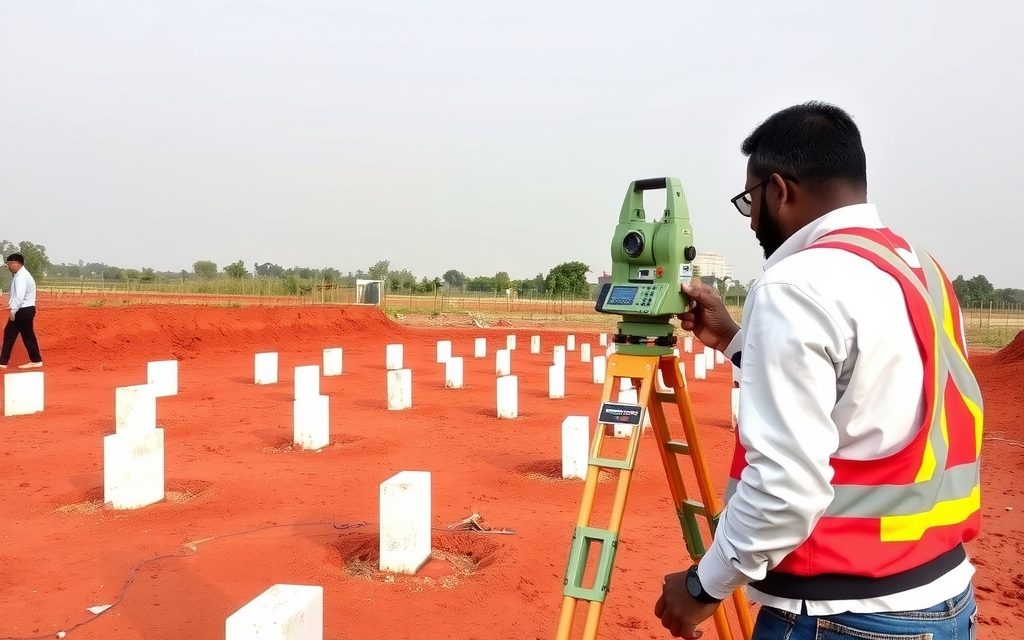
What HMDA, DTCP and so-called panchayat layout approvals really mean in Telangana: jurisdictions, LP numbers, mortgaged plots and release letters, LRS, bank loan eligibility, online verification and red flags.

Twenty-one checks we run on every open plot in Telangana, in the order that kills bad deals fastest: seller and title, approvals, land character and zoning, then survey, access and dues, with where to check each and what failure means.
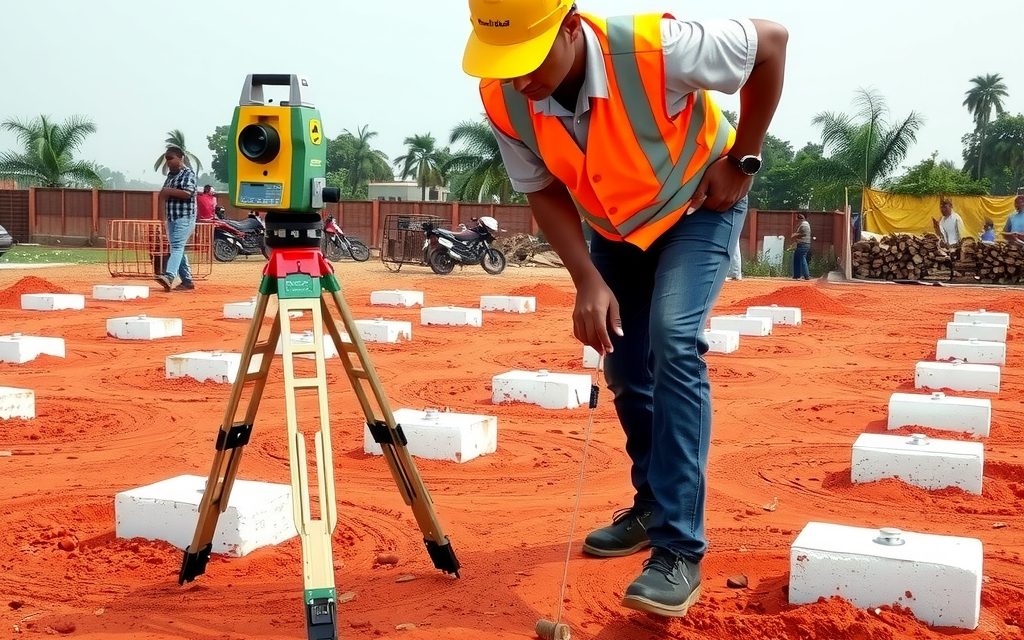
How Telangana's Layout Regularisation Scheme works, from LRS 2015 and 2020 to the 2026 rebate window: eligibility, fee slabs, processing stages, exclusions, and how to price and verify an LRS-pending plot before you pay.

TG-bPASS can approve a house plan in Hyderabad the same day on your own declaration, but a false declaration invites demolition. Categories, setbacks, height and airport limits, NOCs, costs and the mistakes we see.

What a Telangana encumbrance certificate shows and what it misses, why advocates search 30 years, how to run an EC search online through IGRS, how to read each entry, and the nil EC traps that catch buyers.

Approved plots in the Bengaluru-highway town 30-odd km beyond the airport: town, NH-44 and RRR pockets, indicative HMDA and DTCP prices, frontage rules and what to verify before you pay.

Kollur has its own ORR interchange and sits between Tellapur, Mokila and Velimela, with HMDA plots usually 15–25% below Tellapur. Indicative rates, approval checks, pricing traps and the investment case.

What NRIs and OCIs can and cannot buy under FEMA, how to fund and register a purchase from abroad, TDS and repatriation basics, and where the opportunities are across Hyderabad and the Telangana districts.