Open Plots in Puppalaguda, Hyderabad
Puppalaguda's plots are compact, scarce and minutes from the Financial District. Indicative rates, rock and buffer checks, HMDA versus LRS plots and registration costs for families, small builders and NRIs.
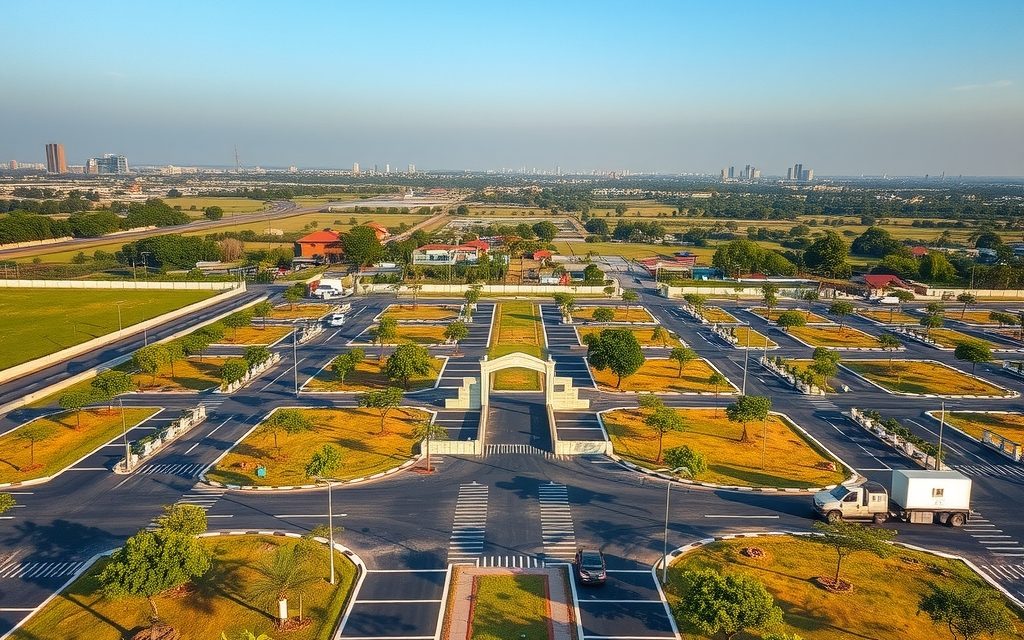
- 10–20 minutes to Wipro Circle and Nanakramguda; ORR Narsingi interchange a short drive south
- Inside HMDA limits: plots are HMDA layouts or LRS-regularised former GP layouts, never DTCP
- Typical plot sizes 120–300 sq yd; larger plots rare and mostly on the Narsingi-facing edge
- Granite terrain: check protected rock zones, slope and excavation cost before pricing
- Registered at the Gandipet SRO for most survey numbers (jurisdiction confirmed by survey number)
| What | Indicative range | Note |
|---|---|---|
| Older GP plot, LRS-regularised, 25–30 ft road | ₹65,000 – ₹90,000 per sq yd | indicative, Oct 2026 |
| Released HMDA layout plot, 30–33 ft road | ₹85,000 – ₹1,15,000 per sq yd | indicative, Oct 2026 |
| Sloping or rocky plot, any approval | ₹55,000 – ₹85,000 per sq yd | indicative, Oct 2026 |
| 40 ft+ road near Alkapur Township or main road | ₹1,05,000 – ₹1,45,000 per sq yd | indicative, Oct 2026 |
| Corner plot on a wide road, compact size | ₹1,20,000 – ₹1,60,000+ per sq yd | indicative, Oct 2026 |
Ranges reflect recent transactions and advisor observation as of 2026-10. Always verify against the sub-registrar market value and the specific parcel.
Open plots in Puppalaguda are rare, compact and expensive, and that combination tells you most of what you need to know about the locality. Puppalaguda sits on the granite slopes between Manikonda and Narsingi in Gandipet mandal, Rangareddy district, a few minutes from the Financial District and the Narsingi interchange of the Outer Ring Road. Ten years ago it was a village of boulders, scrub and small farm holdings with a hilltop temple. Today it is a skyline of 25- and 30-storey towers with a thin layer of independent plotted land squeezed between them. If you find a clean, buildable plot here, you are buying one of the last pieces of independent-house land within a short drive of Hyderabad's biggest office cluster.
This guide explains how the Puppalaguda plot market actually works in October 2026: why the rocks matter as much as the roads, how lake and nala buffers cut into usable land, which approvals are genuine in this pocket, what a 150 or 250 square yard plot costs in indicative terms, and the specific checks we run before a client pays an advance. It is written for Hyderabad families who want to build their own home near work, for small builders hunting for a villa or low-rise site, and for NRIs evaluating a plot from abroad.
Why buy open plots in Puppalaguda
The case for Puppalaguda is location first and everything else second. From the Alkapur Township side you can reach Wipro Circle, the Amazon and ICICI campuses and the Nanakramguda office belt in roughly 10 to 20 minutes, depending on the hour. The ORR's Narsingi interchange is a short hop south, which puts Rajiv Gandhi International Airport at around 30 to 40 minutes outside peak traffic. Gachibowli, Kondapur and the Hitech City core are reachable through Khajaguda without touching the ORR at all.
What makes Puppalaguda different from its neighbours is the shape of the supply. Kokapet next door has the Neopolis layout and larger plots. Narsingi has a spread of HMDA villa-plot ventures. Manikonda is dense and largely built out, with older independent houses on small plots. Puppalaguda is the in-between case: the high-rise developers absorbed most of the large parcels, and what remains for plot buyers is a scattering of older layouts, a few small newer ventures and odd-sized residual pieces of land. Plot sizes skew small, from about 120 to 300 square yards, and the per-square-yard rate is high because the buyer pool is deep and the inventory is thin.
That makes Puppalaguda a market for end users and patient holders. People buy here to build a G+2 or G+3 home for their own family, or to put up a four or five unit low-rise building for rental income from the IT workforce living in the area. Very few people buy a Puppalaguda plot as a speculative land bank, because the price already reflects the location.
The rocks: how Puppalaguda's terrain shapes every plot
Walk any Puppalaguda street and you will see the Deccan granite that defines the western side of Hyderabad: sheet rock at the surface, stacked boulders on the ridges and pockets of thin red soil in between. This terrain affects plot buyers in three ways that are easy to underestimate on a brochure.
Rock-protection and heritage-rock zones
Hyderabad's planning framework has long recognised certain natural rock formations as worth protecting, and the HMDA master plan and heritage regulations have, at various points, identified rock formations and hillocks in the western suburbs for conservation. Some ridges and boulder clusters around Puppalaguda, Khajaguda and the hilltop temple area fall into protected, recreational or conservation-type zoning rather than plain residential use. A plot inside such a zone may be sold to you cheaply, but you may not be able to blast, cut or build the way you intend. Before any advance, we check the master plan land use for the exact survey number and walk the boundary to see whether the plot includes a protected outcrop.
Foundation and excavation cost
Rock is an advantage for foundations and a cost for basements. A plot on sheet rock may need very little foundation depth, which saves money on a G+2 house. The same plot will be expensive if you want a cellar for parking, because controlled rock breaking is slow and costly, and blasting near occupied towers is restricted. When we compare two Puppalaguda plots for a client, we factor in a rough site-preparation estimate from a structural engineer, because a cheaper sloping, rocky plot can end up costing more than a level one once excavation, retaining walls and levelling are added.
Slope, drainage and approach
Plots on the slopes toward Narsingi often sit several feet above or below the road. Uphill plots enjoy views and natural drainage but may need ramps and steps; downhill plots collect stormwater in heavy rain. Check the road level against the plot level during your visit, and ask neighbours where water runs in the monsoon. In Puppalaguda, a 30-foot road that floods for a few hours every August is a different asset from a 30-foot road on the ridge.
Lake buffers, nalas and the usable-area problem
Rocky catchments generate runoff, and runoff in western Hyderabad historically fed a chain of small tanks and seasonal streams. Several of these tanks and the nalas linking them pass through or close to the Manikonda, Puppalaguda and Khajaguda belt. Each water body carries a Full Tank Level boundary and a buffer within which construction is prohibited.
Under the Telangana building rules, the buffer is typically around 30 metres from the FTL for lakes of 10 hectares and above and around 9 metres for smaller tanks, with nala buffers that vary with the width of the channel. These figures should be verified against the rules in force and the official maps for your survey number. Since 2024, HYDRAA has actively enforced FTL and buffer protections across the Hyderabad region, including demolitions of structures found inside them. Our guide on lake FTL and buffer zones in Hyderabad explains how the system works.
For a plot buyer, the practical effect is what we call the usable-area problem. A 200 square yard plot that loses a strip to a nala buffer may only allow construction on 150 square yards, and the setbacks then apply on top of that. Sellers rarely volunteer this. We overlay the plot sketch on the available FTL and nala maps, and where the position is unclear, we recommend a licensed surveyor's measurement before you commit.
Connectivity and growth drivers around Puppalaguda
- The Financial District employment base. Global capability centres, IT services majors and banks' technology arms in the Financial District and Nanakramguda employ the professionals who buy Puppalaguda plots and rent its flats.
- ORR at Narsingi. The interchange connects Puppalaguda to the airport, to Kokapet's Neopolis and north to Tellapur and Patancheru.
- Arterial roads to Khajaguda and Manikonda. The internal roads toward Khajaguda junction and the Lanco Hills side have been widened in stages, and road links toward the Shaikpet flyover make the old city and Mehdipatnam side more accessible.
- Neopolis spillover. As Kokapet's towers fill, retail, schools and hospitals follow, and Puppalaguda sits between Neopolis and the older Manikonda market.
- Metro proposals. Proposed Metro Phase 2 corridors toward Kokapet and the Financial District could eventually improve access. Treat these as proposals until construction starts; we do not price plots on them.
Social infrastructure is already mature. International and CBSE schools sit along the Khajaguda and Nanakramguda roads, multispecialty hospitals are a short drive away in Nanakramguda and Gachibowli, and Manikonda's markets serve daily needs. For a family that plans to live on the plot, this is a finished neighbourhood, not a promise.
Approvals explained: what is genuine in Puppalaguda
Puppalaguda lies inside the Hyderabad Metropolitan Development Authority's planning area. That single fact rules out one common claim: there is no DTCP layout here. DTCP approves layouts in the rest of Telangana outside HMDA limits. If a Puppalaguda plot is marketed as "DTCP approved", ask for the permit and expect either a slip of the tongue or a problem. Our explainer on HMDA vs DTCP vs gram panchayat layouts sets out the differences.
HMDA layouts
An HMDA layout has a Layout Permit number, an approved layout plan with plot dimensions and road widths, and conditions that require the developer to hand over roads and open spaces. HMDA retains a portion of plots as a mortgage until the infrastructure is complete, then issues a release. In Puppalaguda, HMDA plotted layouts are few and mostly older; new plotted ventures are small because large land went to towers. A released HMDA plot is the cleanest category and the easiest to finance.
Gram panchayat layouts and LRS
Before urbanisation, Puppalaguda was a gram panchayat, and a number of plots were laid out with only panchayat-level permission or none at all. Under Telangana's Layout Regularisation Scheme (LRS), opened in 2020 and offered again with a fee concession in 2025, owners could regularise such plots. A plot with a final LRS proceeding is buildable subject to other conditions; one with only an application receipt is not yet. Many Puppalaguda resale plots fall into this category, so the LRS file is the first document we ask to see.
Local body and building permission
Puppalaguda has been governed as part of the Manikonda urban local body, and the state has been consolidating ORR-belt municipalities into the Greater Hyderabad framework. Building permission is applied for through TG-bPASS or the successor online system of the body that governs the plot at the time you build. We confirm the current permitting authority for the survey number before you buy, because it affects fees and timelines.
TS RERA
A new plotted layout larger than 500 square metres or with more than eight plots must be registered with TS RERA before it is advertised or sold. If you are buying from a developer in a new Puppalaguda venture, ask for the registration number and check it on the TS RERA portal. Resale plots in completed older layouts do not need fresh RERA registration.
Puppalaguda plot prices per sq yd, October 2026
The bands below are indicative, based on recent transactions and advisor observation in Puppalaguda as of October 2026. They are not quotes. Because inventory is thin, a single unusual sale can shift perceptions, so we always build a comparable set from the specific street and approval category before advising on a price.
| Plot category | Indicative range (per sq yd) | What drives it |
|---|---|---|
| Older GP plot, LRS-regularised, 25–30 ft road | ₹65,000 – ₹90,000 | Most common resale plot; check LRS final proceedings |
| Released HMDA layout plot, 30–33 ft road | ₹85,000 – ₹1,15,000 | Thin supply; bankable |
| Sloping or rocky plot, any approval | ₹55,000 – ₹85,000 | Discount reflects excavation and retaining-wall cost |
| 40 ft+ road, near Alkapur Township or main road | ₹1,05,000 – ₹1,45,000 | Rental-building and commercial-ground-floor potential |
| Corner plot on a wide road, compact size | ₹1,20,000 – ₹1,60,000+ | Scarce; often sold off-market |
In ticket terms, a 167 square yard plot in an LRS-regularised layout on a 30-foot road works out to roughly ₹1.1 crore to ₹1.5 crore. A 250 square yard released HMDA plot can run from about ₹2.1 crore to ₹2.9 crore. Compact sizes keep tickets lower than in Kokapet, but the per-yard rate is close, and on the best roads it overlaps.
Why compact plots carry a per-yard premium
In most of Hyderabad, larger plots fetch a higher absolute price but a similar or lower per-yard rate. In Puppalaguda, the small plot is often the more liquid asset, because more buyers can afford a ₹1.2 crore ticket than a ₹3 crore one, and because a 150 to 200 square yard plot is exactly what a family needs for a G+2 home or a small rental block. Do not be surprised if a 150 square yard plot is quoted at a higher rate per yard than a 400 square yard one nearby.
Plot sizes and what you can build on them
Typical Puppalaguda plots fall into three bands. Small plots of 120 to 170 square yards dominate older layouts and the residual pieces between towers. Mid-size plots of 200 to 300 square yards come up in the better layouts and are the sweet spot for an independent family home. Larger plots above 400 square yards are uncommon and usually sit on the Narsingi-facing edge or in old family holdings.
What you can build depends on plot size, road width and zoning, under the building rules applied by the local body. As a rough guide, a 150 to 200 square yard plot on a 30-foot road supports a stilt-plus-three or similar configuration subject to setbacks, height limits and parking norms. Rental-oriented owners in Puppalaguda typically build four to six compact units for the IT workforce, a pattern that has made small plots here attractive to investors who plan to build. Always run your intended design past an architect against current rules before you buy.
Layout features in Puppalaguda vary widely. Newer small ventures may offer cement-concrete roads, underground drainage, street lighting and a compound wall. Older layouts often have narrower roads, overhead cabling and individual borewells, with municipal water supply coming in stages. Judge infrastructure by what exists on the ground, not by the layout copy.
Legal checklist for buying a plot in Puppalaguda
High prices, small plots and a history of piecemeal sub-division make careful due diligence essential here. This is the list we work through for every client.
- Approval document. HMDA Layout Permit number and approved plan, or LRS final proceedings for a regularised plot. Match plot number, dimensions and road widths to what you see on site.
- Release letter. For HMDA plots, confirm the plot is not among the mortgaged plots, or obtain the release letter.
- Encumbrance certificate for 30 years. Look for mortgages, attachments, prior sales and court orders against the survey number and plot.
- Link documents. The full chain of sale deeds from the original landholder to the current seller. In Puppalaguda, chains are often long because plots were resold several times during the tower boom. Our guide on how to verify a plot before buying in Telangana covers the method.
- Parent land history. Confirm the original agricultural land was properly converted for non-agricultural use and was not assigned land, ceiling surplus land or on the Section 22-A prohibited list.
- Master plan land use. Residential, multiple-use, recreational or conservation zoning for the survey number, including any protected rock formation.
- Lake FTL and nala buffers. Position the plot against official FTL and nala maps. Reduce the usable area accordingly before you agree a price.
- Physical survey. Boundary measurement by a licensed surveyor where plots have been sub-divided or where the sketch does not match the ground.
- Litigation search. Civil court records for the survey number; family partition disputes are not unusual in former village land.
- Dues and taxes. Vacant land tax or property tax receipts, and any association dues.
In Puppalaguda, the most expensive mistakes we see are not fake documents. They are genuine plots that turn out to be partly unbuildable because of a buffer, a protected outcrop or a road that is narrower on the ground than on paper.
Registration and charges for Puppalaguda plots
Plot sale deeds in Puppalaguda are registered at the Sub-Registrar Office with jurisdiction over the survey number, usually the Gandipet SRO; we confirm jurisdiction from the survey number before booking a slot on the Telangana registration portal. Charges are levied on the higher of the agreed price and the government market value.
| Charge | Approximate rate | On a ₹1.5 crore plot |
|---|---|---|
| Stamp duty | ~5.5% | ~₹8.2 lakh |
| Transfer duty | ~1.5% | ~₹2.25 lakh |
| Registration fee | ~0.5% | ~₹75,000 |
| Total (approximate) | ~7.5% | ~₹11.2 lakh |
Rates change, and we verify current rates at the SRO on the day. Since almost every Puppalaguda plot exceeds ₹50 lakh, the buyer deducts 1 percent TDS under Section 194-IA when the seller is resident and files Form 26QB. If the seller is an NRI, TDS is deducted under Section 195 at the applicable capital-gains rate plus surcharge and cess, and the buyer needs a TAN; take a chartered accountant's advice. After registration, update the property records with the local body.
Investment outlook: what to expect from a Puppalaguda plot
Puppalaguda is a mature, supply-constrained market. The steep appreciation of the 2016 to 2023 tower boom has already happened, and buyers today should expect steady rather than spectacular growth. What supports values is the depth of end-user demand within a 15-minute radius and the near-impossibility of creating new plotted supply.
Demand drivers
- A large IT and finance workforce living in the surrounding towers, many of whom eventually want an independent home.
- Strong rental demand for compact units, which makes small plots attractive to owners who build.
- Continuing infrastructure upgrades in the Narsingi, Kokapet and Khajaguda belt.
- Builder appetite for small sites for boutique low-rise projects.
Risks
- Density and traffic. Tens of thousands of new households have arrived on roads that were village lanes a decade ago.
- Buffer enforcement. Stricter lake and nala enforcement can reduce usable area or invalidate plans for borderline plots.
- Liquidity in downturns. High tickets slow down in IT hiring slumps.
- Construction complexity. Rock, slope and neighbouring towers make construction slower and costlier than on flat land.
A sensible holding horizon for an investment plot is five to eight years. For a self-build, the comparison is different: the alternative is a large flat in a nearby tower, and a plot gives you privacy, control and land value that a flat's undivided share cannot match.
Who should buy a Puppalaguda plot
It suits Financial District and Gachibowli professionals who want to build a home within a short commute; owner-builders planning a small rental block for IT tenants; families already living in Manikonda or Narsingi who want to stay in the neighbourhood; and NRIs who want a compact, high-quality residential asset in a proven location.
It does not suit buyers looking for large plots under ₹1 crore, short-term flippers, or anyone uncomfortable with the extra diligence that buffers and rock zones demand. If you want more space for the money, compare open plots in Kokapet for larger HMDA plots, or look at open plots in Khajaguda next door. If you would rather skip construction altogether, our pages on villas in Puppalaguda and apartments in Puppalaguda cover ready and under-construction options.
NRI note: buying a Puppalaguda plot from abroad
NRIs and OCI cardholders can buy residential, non-agricultural plots in Puppalaguda. The FEMA restriction covers agricultural land, plantation property and farmhouses, so confirm that the survey number is recorded as non-agricultural before paying anything. Payment must come through banking channels, from an NRE, NRO or FCNR account or by inward remittance.
Most NRI buyers execute a specific Power of Attorney in favour of a trusted person in Hyderabad, attested at the Indian mission abroad and adjudicated in Telangana, so registration can proceed without travel. Keep the PoA narrow and transaction-specific. Because Puppalaguda diligence involves site-specific questions about rocks, slopes and buffers, we provide a recorded video walkthrough of the plot and its surroundings. For the wider framework, see our guide to NRI investment in Telangana. For tax on an eventual sale and repatriation, consult a chartered accountant.
How NRR Estates helps with plots in Puppalaguda
We are advisors, not a listing portal, and our fee is disclosed before any commitment. In Puppalaguda our work usually includes:
- Finding real inventory. Much of the good supply never reaches portals. We track resale plots and small ventures through local networks and owner contacts.
- Usable-area assessment. We check buffers, zoning and terrain so you know how much of the plot you can actually build on.
- Engineering view. On rocky or sloping plots we arrange a quick structural engineer's opinion on site-preparation cost.
- Legal verification. Independent advocate scrutiny of title, EC, approvals, LRS proceedings and litigation.
- Negotiation and registration. Comparable-based pricing, agreement of sale, TDS, SRO slot booking and post-registration records.
For NRIs we coordinate the Power of Attorney, recorded walkthroughs and the document timeline so the transaction can close with minimal or no travel.
Puppalaguda open plots: frequently asked questions
What is the price of open plots in Puppalaguda per square yard?
As of October 2026, LRS-regularised plots in older layouts on 25 to 30 foot roads typically trade around ₹65,000 to ₹90,000 per square yard, and released HMDA plots on 30 to 33 foot roads around ₹85,000 to ₹1,15,000, based on recent transactions and advisor observation. Plots on 40-foot or wider roads near Alkapur Township and good corners can cross ₹1.2 lakh to ₹1.6 lakh. Sloping or rocky plots usually sit lower because of site-preparation cost. These are indicative ranges; road width, facing, usable area and approval status decide the price of an individual plot.
Why are plots in Puppalaguda so small?
Most large parcels in Puppalaguda were bought by high-rise developers during the tower boom, so plotted supply comes mainly from older village-era layouts and residual pieces between projects. Those layouts were cut into 120 to 300 square yard plots for local buyers. Compact plots also suit the dominant use here, which is a G+2 or G+3 family home or a small rental building for IT tenants. Because more buyers can afford a compact plot, small sizes are often more liquid and can carry a higher per-yard rate than larger plots nearby.
What are rock-protection zones and do they affect plots in Puppalaguda?
Hyderabad's planning framework has identified certain natural rock formations and hillocks in the western suburbs for conservation, and some ridges in the Puppalaguda and Khajaguda area carry recreational, conservation or similar zoning instead of plain residential use. A plot that includes a protected outcrop may not permit blasting, cutting or building as you intend. Before an advance we check the master plan land use for the survey number and walk the boundary. Separately, even unprotected rock raises excavation cost if you want a cellar, so we factor in an engineer's estimate.
Are Puppalaguda layouts HMDA or DTCP approved?
Puppalaguda is inside HMDA's planning area, so a genuine layout here is either HMDA-approved with a Layout Permit number or an older gram panchayat layout regularised under LRS. DTCP approves layouts outside HMDA limits elsewhere in Telangana and has no role here. If a seller calls a Puppalaguda layout DTCP-approved, ask for the actual permit and check it. For LRS plots, insist on the final regularisation proceedings rather than an application receipt, because only the final order makes the plot buildable subject to other conditions.
How do lake and nala buffers affect a Puppalaguda plot?
Tanks and seasonal nalas in the Manikonda, Puppalaguda and Khajaguda belt carry Full Tank Level boundaries and buffers in which construction is prohibited, typically around 30 metres for lakes of 10 hectares and above and around 9 metres for smaller tanks, with nala buffers varying by channel width. A plot that loses a strip to a buffer has less buildable area, and setbacks apply on top. HYDRAA has enforced these rules actively since 2024. We position every plot against official maps and, where unclear, recommend a licensed surveyor before price is agreed.
What can I build on a 167 or 200 square yard plot in Puppalaguda?
On a 150 to 200 square yard plot facing a 30-foot road, owners typically build a stilt-plus-three or similar configuration, subject to setbacks, height limits, parking norms and zoning under the rules applied by the local body. Many Puppalaguda owners build four to six compact rental units for the IT workforce, while families often build a G+2 independent home. Rock, slope and buffers can reduce what is practical. Have an architect test your intended design against current rules for the specific plot before you commit to the purchase.
What are the registration charges for a plot in Puppalaguda?
Approximately 7.5 per cent of the higher of the agreed price and the government market value, made up of roughly 5.5 per cent stamp duty, 1.5 percent transfer duty and 0.5 percent registration fee, as of October 2026. On a ₹1.5 crore plot that is about ₹9 lakh. Most survey numbers register at the Gandipet SRO, which we confirm from the survey number. Rates change, so we verify on the day. Buyers also deduct 1 percent TDS for resident sellers on purchases above ₹50 lakh, or TDS under Section 195 if the seller is an NRI.
Can NRIs buy open plots in Puppalaguda?
Yes. NRIs and OCI cardholders can buy residential, non-agricultural plots in Puppalaguda. FEMA restrictions apply to agricultural land, plantation property and farmhouses, so the survey number must be recorded as non-agricultural. Payment must come through banking channels from an NRE, NRO or FCNR account or by inward remittance. Most NRI buyers use a specific registered Power of Attorney so a trusted person can complete registration in Hyderabad. NRR Estates provides recorded site walkthroughs and coordinates legal verification. For tax on eventual sale and repatriation, consult a chartered accountant.
Related guides
Puppalaguda's villas sit minutes from the Financial District on scarce, rocky land between Manikonda and Narsingi. See October 2026 price ranges, how to value the land underneath, and the rock, lake and approval checks that matter.
Compact premium towers on the slopes between Manikonda, Narsingi and the Financial District. Indicative per-sq-ft bands, BHK tickets and the rock, lake buffer and approval checks this terrain demands.
Khajaguda's plots straddle a granite ridge between the Financial District and Manikonda. Indicative rates by side of the ridge, lake FTL and hillock checks, approvals and registration costs explained.
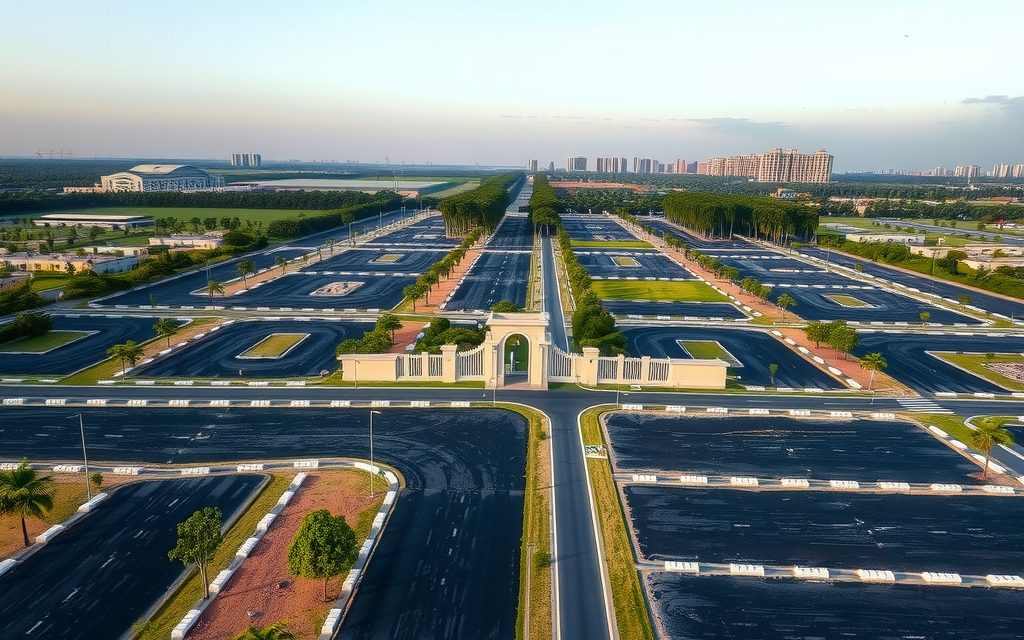
Kokapet's plots sit beside the Neopolis towers and the ORR, minutes from the Financial District. Indicative rates, HMDA versus GP approvals, legal checks and registration costs for buyers and NRIs.
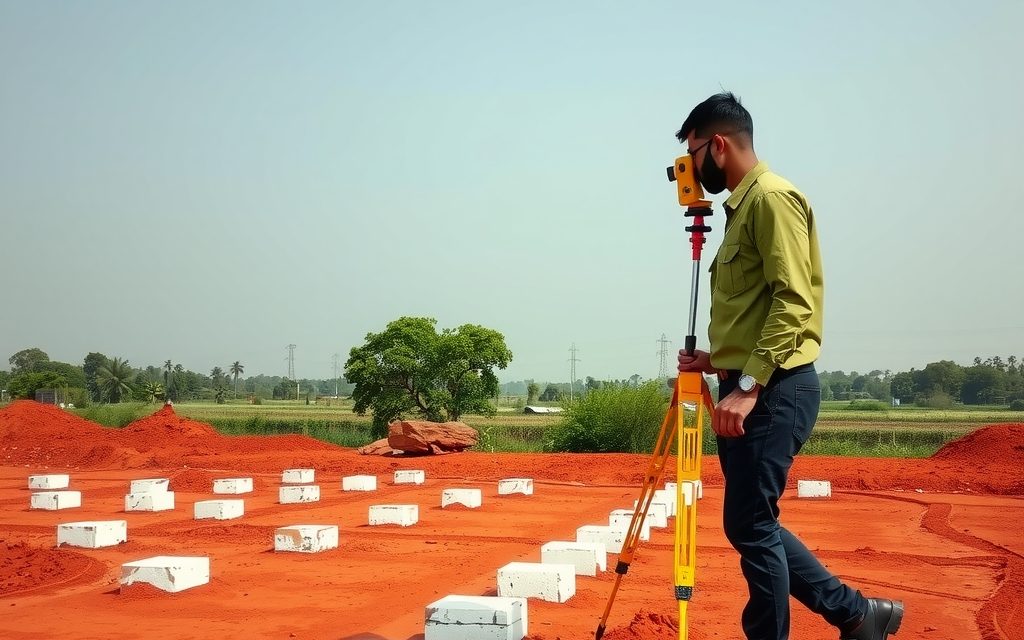
What lake full tank levels and buffer zones mean for plot, villa and flat buyers in Hyderabad: buffer distances, who draws the FTL, how HYDRAA enforces, how to check a property against lake maps, and why clean title is not enough.
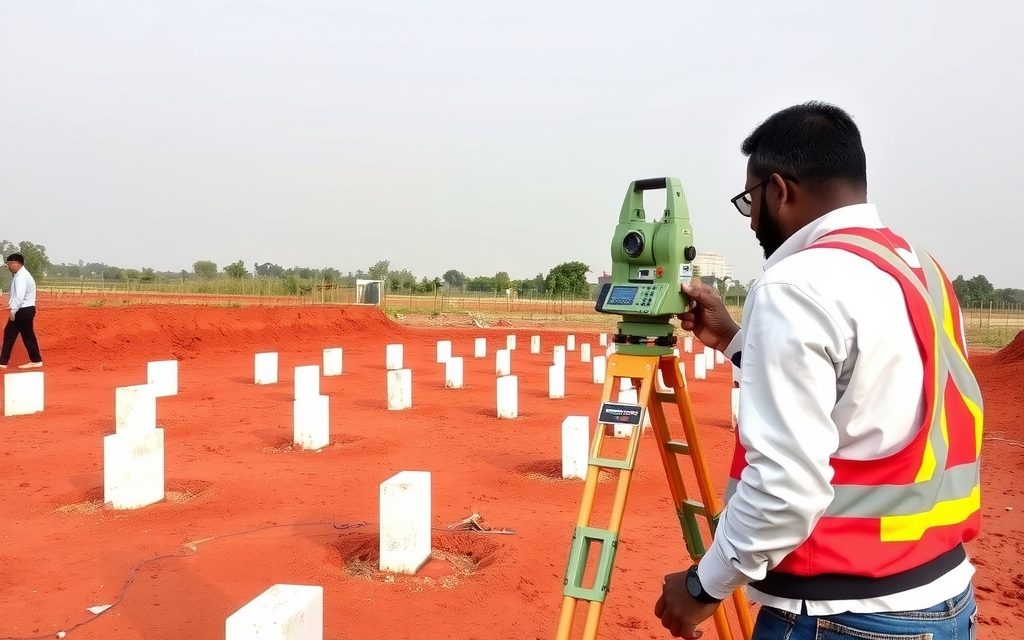
What HMDA, DTCP and so-called panchayat layout approvals really mean in Telangana: jurisdictions, LP numbers, mortgaged plots and release letters, LRS, bank loan eligibility, online verification and red flags.
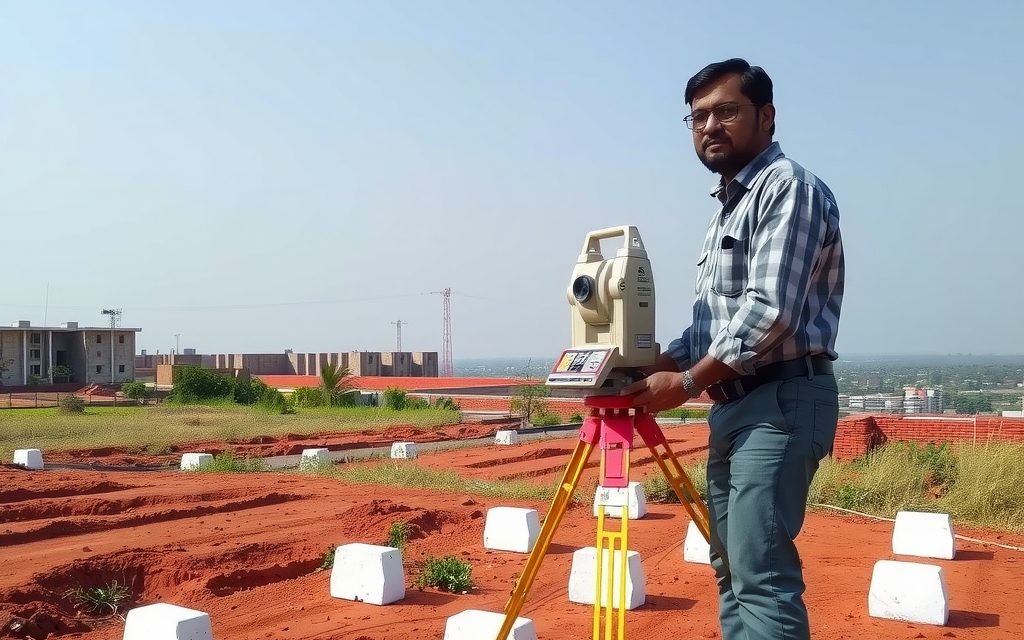
Twenty-one checks we run on every open plot in Telangana, in the order that kills bad deals fastest: seller and title, approvals, land character and zoning, then survey, access and dues, with where to check each and what failure means.

What NRIs and OCIs can and cannot buy under FEMA, how to fund and register a purchase from abroad, TDS and repatriation basics, and where the opportunities are across Hyderabad and the Telangana districts.