Agriculture & Farm Land in Shivampet, Medak District
Open tank country between Narsapur and Medak, about 45 km from the ORR's Dundigal exit. Larger weekend-farm holdings than Narsapur at lower prices, with notes on water, farmhouse rules, shikam and forest checks, and Tahsildar registration.

- About 13–15 km north of Narsapur and roughly 45 km from the ORR Dundigal exit; about 75 km from Gachibowli
- Agricultural land registers at the Shivampet Tahsildar office with mutation in the same step; converted land at the jurisdictional SRO
- About half borewell (250–600 ft) plus restored village tanks; Manjeera canal water mainly serves the command further north
- Red loam for mango, guava and vegetables; tank-fed valleys for paddy
- Typical parcels: 2–15 acre family holdings; 10–40 gunta farm plots in gated ventures
| What | Indicative range | Note |
|---|---|---|
| Interior villages, borewell, cart-track access | ₹30 L – ₹60 L per acre | indicative, Oct 2026 |
| Tank-fed valley paddy land | ₹28 L – ₹55 L per acre | indicative, Oct 2026 |
| Upland parcels towards the Narsapur forest, with views | ₹45 L – ₹1 Cr per acre | indicative, Oct 2026 |
| Village BT-road frontage within ~3 km of a main road | ₹70 L – ₹1.5 Cr per acre | indicative, Oct 2026 |
| Main district-road frontage near Shivampet | ₹1.2 Cr – ₹2.8 Cr per acre | indicative, Oct 2026 |
| Farm plots in gated farm ventures | ₹3 L – ₹7 L per gunta | indicative, Oct 2026 |
Ranges reflect recent transactions and advisor observation as of 2026-10. Always verify against the sub-registrar market value and the specific parcel.
North of Narsapur town, the forest hills thin out into a wide, open landscape of village tanks, paddy valleys and red-loam uplands planted with mango and vegetables. This is Shivampet mandal in Medak district, roughly midway between Narsapur and Medak, and over the last few years it has become the quieter, roomier extension of the Narsapur weekend-farm belt. Buyers who find forest-edge Narsapur land too expensive, or who want five acres instead of one, increasingly drive the extra 15 minutes north. For anyone researching agriculture land in Shivampet, this guide covers what that extra distance buys you, how tank water and borewells really behave here, indicative per-acre and per-gunta prices as of October 2026, the rules that apply if you want a farmhouse, and how title checks and registration work at the Shivampet Tahsildar office in Telangana.
It is written for families in Kukatpally, Miyapur, Bachupally, Nizampet and the north-western IT suburbs who already know Narsapur, and for buyers who want a working weekend farm rather than a plot in a plotted suburb.
Why Shivampet appeals to weekend-farm buyers
Shivampet's appeal is mostly about space and setting at a price below its better-known neighbour.
- Room to breathe: holdings are typically larger and less fragmented than around Narsapur town, and the landscape is more open, with long views across tank valleys.
- Forest within reach: the reserve forest blocks around Narsapur lie a short drive south, so weekend owners get the forest drive without paying a forest-edge premium on their own field.
- Tank country: chains of village tanks, many restored in the state's tank programme, irrigate valley paddy and recharge borewells around them.
- A working agricultural mandal: vegetables, paddy and maize are grown at scale, labour is available, and land can be leased locally if you are not farming it yourself.
The trade-offs: the drive from Hyderabad is longer than to Narsapur, there are fewer shops and services nearby, and tank-fed land carries its own legal traps. We cover those below.
Location and access: north of Narsapur, south of Medak
| From | Approximate distance | Route and typical time |
|---|---|---|
| ORR Dundigal exit | ~45 km | Hyderabad–Medak highway via Gummadidala and Narsapur; about an hour |
| Bachupally / Miyapur | ~55–60 km | Via Dundigal and Narsapur; 1.25 hours |
| Gachibowli / Hitech City | ~75 km | ORR north-west to Dundigal, then the Medak highway; 1.5 hours or a little more |
| Narsapur town | ~13–15 km | North on district roads; 15–20 minutes |
| Medak town | ~20–25 km | North; about 30 minutes |
| Toopran / NH-44 | ~35 km | Cross-country east |
The approach that matters
Most buyers come in through Narsapur on the Hyderabad–Medak highway and then continue north on district roads. The quality of those roads varies: some stretches are good black-top, others narrow and broken. Within the mandal, village roads link a scatter of hamlets, and many fields are reached by cart tracks along tank bunds or across neighbouring land. A field on a recorded black-top road can be worth half as much again as an otherwise similar field on a track, and an unrecorded track is a common source of disputes after sale.
The RRR, at a distance
The Regional Ring Road's proposed northern arm is planned to pass through the Narsapur area on its way from Sangareddy to Toopran. That puts Shivampet north of the corridor rather than on it, so improved access may help the mandal over time, but it is not an RRR land play. If a seller describes a Shivampet parcel as "RRR land", ask for the notification that shows it.
Tanks, borewells and the Manjeera: water in Shivampet
Water is what separates a good Shivampet farm from a disappointing one.
Village tanks
Shivampet is classic Telangana tank country. Chains of tanks catch monsoon runoff, irrigate paddy in the valley floors below them and recharge borewells within a few hundred metres. A tank that holds water into April or May is the single best indicator of reliable groundwater nearby. About a fifth of farmed land gets surface water this way.
Borewells
Around half of farmed land relies on borewells, typically 250–600 feet deep, shallower below tanks and in valleys, deeper and less dependable on ridges. Yields vary sharply over short distances, so a neighbour's good borewell says little about yours. See the borewell run for at least 20 minutes in summer, and ask when it was drilled and whether it has been deepened.
Rain and open wells
About a quarter of land is rainfed, usually uplands under maize, cotton or pulses. Open wells survive in older holdings but are a small and falling share.
The Manjeera question
The Manjeera river flows north from the Singur reservoir towards the Ghanpur anicut near Medak, and the western villages of this belt drain towards it. Some sellers describe land as "Manjeera-side" to imply river irrigation. In practice, Shivampet farms depend on tanks and borewells, and canal water from the Manjeera system serves mainly the command further north towards Medak. River-adjacent fields can have better groundwater and richer soils, but they also bring flood-level and river-bed questions. Price on what you can see working, not on the river's name.
Living near the Narsapur forest without owning its problems
One of Shivampet's quiet advantages is that most of its farmland sits a few kilometres away from the reserve forest blocks rather than right against them. Owners get the forest drive, the birdlife and the cooler air in the evenings, while their own fields carry fewer of the boundary disputes that affect forest-edge parcels around Narsapur town.
That said, the southern villages of the mandal do have fields that adjoin forest or scrub that may be recorded as forest. For any such parcel, three things matter. First, the revenue survey and the forest boundary must be compared on the ground, because the two records do not always agree, and a valid patta does not protect land that is notified forest. Second, wildlife pressure is real: wild boar dig up groundnut and maize, peafowl eat vegetables, and monkeys raid orchards, so plan crops and solar fencing accordingly. Third, dry-season fire can spread from scrub into orchards, so keep a cleared strip along any forest-facing boundary. Parcels a kilometre or two into the farmland usually give the best balance of setting and security.
Soil and what grows around Shivampet
Red loam dominates, gravelly on slopes, deeper in valleys and darker and heavier near tanks and streams. It suits a wide range of crops when water is available.
- Vegetables: tomato, brinjal, chillies, leafy greens and beans, grown for markets in Narsapur, Medak and north-west Hyderabad.
- Paddy: in tank-fed valleys, usually one assured crop and a second where water allows.
- Maize and cotton: on rainfed uplands.
- Orchards: mango is the most common, with guava and sapota on drip; weekend owners often plant a mango block with a guava intercrop for earlier returns.
Sheet rock and boulders appear on some ridges, so walk the full extent and agree a price on usable land, not the passbook figure alone.
Indicative price bands for agriculture land in Shivampet
These ranges reflect recent transactions and advisor observation as of October 2026. They are indicative only. Approach, water, forest proximity, rock cover and title quality move individual parcels within and sometimes outside these bands.
| Parcel type | Indicative range | What moves it |
|---|---|---|
| Interior villages, borewell, cart-track access | ₹30 L – ₹60 L per acre | Borewell yield, track rights, rock cover |
| Tank-fed valley paddy land | ₹28 L – ₹55 L per acre | Tank reliability, drainage, flood risk |
| Upland parcels towards the Narsapur forest, with views | ₹45 L – ₹1 Cr per acre | Setting, forest boundary certainty, access |
| Village BT-road frontage within ~3 km of a main road | ₹70 L – ₹1.5 Cr per acre | Road width, frontage, weekend-farm demand |
| Main district-road frontage near Shivampet | ₹1.2 Cr – ₹2.8 Cr per acre | Commercial and farm-stay potential |
| Farm plots in gated farm ventures | ₹3 L – ₹7 L per gunta | Plantation, fencing, caretaking, title structure |
For comparison, interior land around Narsapur typically starts higher, and forest-edge Narsapur parcels run well above the Shivampet bands. A farm plot at ₹5 lakh per gunta equals ₹2 crore per acre, so a 20-gunta plot at that rate costs ₹1 crore, which could buy two or more acres of interior patta land in the same mandal. That difference pays for fencing, planting and caretaking; decide whether it is worth it to you before you visit a venture. Always check the village's government market value as well, because duties are charged on the higher of market value and the price you pay.
How negotiation tends to work here
Sellers in Shivampet are mostly farming families rather than investors, and many holdings are jointly owned by brothers or extended families. Prices are often quoted with Narsapur in mind, so knowing the Shivampet bands helps. Families usually want a meaningful advance and a clear timeline, and they value a buyer who brings a surveyor and an advocate early, because it signals that the deal will close. Discounts typically come from honest findings: rock cover, a weak borewell, a disputed track or a portion below a tank's full tank level. Put those findings on the table calmly and you will usually reach a fair price.
Building a farmhouse on Shivampet land: what is allowed
Most weekend buyers in Shivampet eventually want somewhere to stay. This is where expectations and the law often part ways.
- Farm structures: a pump house, a store, a shed and a small caretaker's room are normal on agricultural land and support its agricultural use.
- A residence: a substantial house or "farmhouse" is a non-agricultural use. For anything beyond basic farm structures, NALA conversion of the footprint and building permission from the relevant authority are the safe route. Requirements depend on location, so confirm them for your survey number before you design anything.
- Power: agricultural power connections are for pumping. A domestic connection for a dwelling is a separate application.
- Venture promises: if a farm-plot venture promises villas, cottages, a clubhouse or "resort conversion" on unconverted land, treat that as a warning sign.
- Keep it modest: many owners build a compact, clearly agricultural structure first and convert a small portion later when they are sure of their plans.
Our guide to farmhouse plots near Hyderabad covers the conversion and permission steps in more detail.
Parcel types in Shivampet and how to choose
Valley land below a tank
Productive and water-secure in most years, but low-lying and occasionally waterlogged. Best for paddy and leasing; less suitable for a dwelling.
Upland orchard land
Red-loam slopes with views, good drainage and room for a farm structure. The usual choice for weekend owners, provided the borewell is proven.
Forest-facing uplands
Land on the southern side of the mandal looking towards the Narsapur hills. Attractive, but check forest boundaries and expect wildlife pressure on crops.
Large family holdings
Five to fifteen acres held jointly by a farming family. The best value if every co-owner and heir signs and boundaries are surveyed.
Farm-venture plots
Ten to forty gunta units with plantation and caretaking. Read our checklist on managed farmland schemes before committing.
Shivampet compared with Narsapur and Medak
| Belt | What you get | What you give up |
|---|---|---|
| Narsapur | Forest edge, shorter drive, more services | Higher prices; forest-boundary risk on premium parcels |
| Shivampet | Larger, open holdings, tank valleys, lower prices | An extra 15–20 minutes each way; fewer services |
| Medak side | Lowest prices, Ghanpur command land further north | Long drive for weekend use |
See our pages on agriculture land in Narsapur and farm land around Medak for the neighbouring markets, and open plots in Narsapur if a residential plot near a town suits you better than farm land.
Ten title questions to answer before paying an advance in Shivampet
- Does the pattadar passbook match? The original passbook should be in the seller's name with the same survey number and extent as the deal.
- What does Bhu Bharati show? Patta agricultural land, no prohibited or disputed flag, and an extent that matches the passbook. Older entries can be compared with the legacy record at dharani.telangana.gov.in.
- What do the pahanis and ROR-1B say over the decades? We read them for possession, cultivation and any assigned, inam, government or forest notes.
- Is any part tank-bed or shikam land? In tank country, fields that extend into the tank bed below the full tank level are often government land, and cultivation there does not create ownership. A surveyor must mark the full tank level against the FMB sketch.
- Is the land assigned or on the 22-A list? Assigned land cannot be sold, and prohibited properties cannot be registered.
- Is there a clean 30-year encumbrance certificate? Crop loans and mortgages must be closed before or at registration.
- Do the link documents hold together? Every sale, partition and succession, with all heirs signing or releasing.
- Is the forest boundary clear? For parcels near the Narsapur forest blocks, compare the revenue survey with the forest boundary.
- What is the NALA position? Know whether you are buying agricultural or converted land, and what any farmhouse plan will require.
- Any ceiling, ULC or regularisation history? No ceiling-surplus declaration, and be cautious of 58/59 documents, which relate to urban government land, not village farm land.
Our guide to assigned land and 22-A prohibited properties explains the government-land traps in more detail.
Registration at the Shivampet Tahsildar office: process and charges
Unconverted agricultural land registers at the mandal Tahsildar office, where the Tahsildar acts as joint sub-registrar under Bhu Bharati and the mutation is completed in the same transaction. For Shivampet mandal villages that is the Shivampet Tahsildar office; Narsapur, Kowdipally and Medak-side mandals use their own. Converted land and plots in approved layouts register at the jurisdictional Sub-Registrar Office, commonly the Narsapur office for this belt, which we confirm from the survey number. The state publishes procedures at registration.telangana.gov.in.
| Charge | Approximate rate | Note |
|---|---|---|
| Stamp duty | ~5.5% | On the higher of market value and consideration |
| Transfer duty | ~1.5% | Generally not charged in gram panchayat areas, where a higher registration fee applies |
| Registration fee | ~0.5% (about 2% where there is no transfer duty) | The total stays near 7.5% |
| Mutation and passbook | Nominal | Completed through Bhu Bharati |
Budget roughly 7.5% of the market value and expect us to verify current rates before the slot is booked. The 1% TDS under Section 194-IA on purchases above ₹50 lakh does not apply to rural agricultural land such as a typical Shivampet farm; it applies to converted and urban property. If you later convert part of the land, the tax position of that portion can change, so speak to a chartered accountant.
When to visit Shivampet, and what each season tells you
| Season | What you see | What to check |
|---|---|---|
| March–May | Dry fields, low tanks, borewells under strain | The best time to test water: run the borewell, note which tanks still hold water, ask neighbours how deep their wells go |
| June–September | Monsoon planting, green fields, filling tanks | Approach roads and tracks after heavy rain, waterlogging in valley fields, streams crossing the access route |
| October–November | Harvest, full tanks, the landscape at its most attractive | Do not let full tanks and green fields set your price; cross-check against what you saw in summer |
| December–February | Cool, clear weather, second crops where water allows | A good time to walk boundaries with a surveyor and meet neighbours |
Ideally, see a shortlisted parcel twice: once in the dry months and once after the rains. Most buyers who regret a Shivampet purchase saw the land only in October.
A half-day site-visit route from Bachupally
- Leave by 6.30 am, join the ORR at Dundigal and take the Medak highway north through Gummadidala and Narsapur.
- Coffee stop in Narsapur, then continue north on district roads into Shivampet mandal.
- Walk the first parcel by 8 am with the FMB sketch, ideally with a surveyor, starting with the boundary nearest any tank or forest.
- Run the borewell and inspect the tank: look for full tank level stones, bund condition and how far water spreads in a good year.
- Compare a valley parcel with an upland one to understand the trade-off between water and setting.
- Talk to neighbouring farmers about the access route, past disputes and how the land behaved in the last dry year.
- Head back by early afternoon, with a stop at the Narsapur forest on the way if the family is along.
Owning a tank-country farm: practical upkeep
Owners who do well in Shivampet tend to follow a few habits. They plant tree crops on the uplands and lease the valley paddy to a neighbouring farmer, which keeps the whole extent cultivated without a full-time presence. They build a farm pond on red loam to capture monsoon runoff and ease summer pumping. They fence with solar fencing where wild boar and peafowl visit from the forest side. They keep a caretaker family on larger holdings, which protects drip equipment and boundary stones. And they stay on good terms with the tank users' community, because desilting, bund repairs and water-sharing decisions are made locally and affect every field below the tank.
Who should buy farm land in Shivampet, and who should not
Good fit
- North-west Hyderabad families who want two to ten acres for a weekend orchard farm and do not mind an extra 15 minutes beyond Narsapur.
- Buyers who want a productive farm with tank-fed paddy and vegetables, leased or self-managed.
- Long-term holders who prefer a quiet agricultural mandal to an RRR speculation zone.
Not a good fit
- Anyone planning a large farmhouse without budgeting for conversion and permissions.
- Investors looking for fast resale gains.
- Buyers who will visit only a few times a year and cannot arrange local caretaking.
NRI note: Shivampet farm land and FEMA
NRIs and OCIs cannot buy agricultural land, plantation property or farmhouses in India, and they cannot receive such property as a gift. A farm plot in a managed venture is agricultural land and falls under the same rule. NRIs can inherit agricultural land from someone who held it lawfully, keep it, and later sell it to a resident Indian. Our NRI guide to agriculture land rules in Telangana explains the alternatives, such as approved residential plots; take tax advice from a CA.
How NRR Estates helps with farm land in Shivampet
We agree our advisory fee in writing before any commitment. In Shivampet our work focuses on water, tank boundaries and farmhouse plans.
- Shortlisting valley, upland or forest-facing parcels matched to your plans.
- Field checks: summer borewell runs, tank inspection, full tank level marking and monsoon access.
- Title review: passbook, record of rights, long pahani history, shikam and assigned land checks, 30-year EC and link documents, reviewed by an independent advocate.
- Registration and mutation at the Tahsildar office, and guidance on conversion if you plan a farmhouse.
Shivampet agriculture land: frequently asked questions
What is the price of agriculture land in Shivampet per acre?
As of October 2026, interior farm land in Shivampet with a borewell and cart-track access typically trades at ₹30–60 lakh per acre, based on recent transactions and advisor observation. Tank-fed valley paddy land is usually ₹28–55 lakh, and upland parcels facing the Narsapur forest with views ₹45 lakh to ₹1 crore. Fields on a village black-top road near a main road range from ₹70 lakh to ₹1.5 crore, and main district-road frontage higher. Farm plots ask ₹3–7 lakh per gunta. All figures are indicative.
How far is Shivampet from Hyderabad?
Shivampet is about 45 km from the Outer Ring Road's Dundigal exit, reached via the Hyderabad–Medak highway through Gummadidala and Narsapur and then district roads north, usually around an hour. From Bachupally or Miyapur it is roughly 55–60 km, and from Gachibowli or Hitech City about 75 km, an hour and a half or a little more. Narsapur town is 13–15 km south and Medak about 20–25 km north, so Shivampet sits roughly midway between the two.
Is Shivampet cheaper than Narsapur for farm land?
Generally yes. Interior land in Shivampet usually trades below comparable land around Narsapur, and forest-edge Narsapur parcels sit well above Shivampet's bands. In return you drive an extra 15–20 minutes each way and have fewer shops and services nearby. Holdings in Shivampet also tend to be larger and less fragmented, which suits buyers who want several acres. Buyers who want the forest setting can choose upland parcels in the south of the mandal that look towards the Narsapur hills.
Can I build a farmhouse on agricultural land in Shivampet?
Basic farm structures such as a pump house, store, shed and caretaker's room are normal on agricultural land. A substantial residence is a non-agricultural use, so the safe route is NALA conversion of the footprint and building permission from the relevant authority, with requirements confirmed for your survey number. A domestic power connection is separate from the agricultural pump connection. Be cautious of farm ventures promising villas or cottages on unconverted land. Many owners build modestly first and convert a small portion later.
What is shikam land and why does it matter in Shivampet?
Shikam land generally refers to land in a tank bed below its full tank level, which is usually government land even if a farmer has cultivated it for years. In tank country such as Shivampet, valley fields sometimes extend into the tank bed, and the portion below the full tank level cannot be validly bought. Before any advance, a licensed surveyor should mark the full tank level against the FMB sketch, and the pahanis and Bhu Bharati record should be checked for government or tank notes.
Does Manjeera river water irrigate Shivampet farms?
Mostly not directly. The Manjeera flows north from the Singur reservoir towards the Ghanpur anicut near Medak, and canal water from that system mainly serves the command further north. Shivampet farms depend on village tanks, borewells and rain. Fields nearer the river can have better groundwater and richer soil, but they also raise flood-level and river-bed questions. When a seller describes land as Manjeera-side, ask what irrigation actually reaches the field and see the borewell run in summer.
Where is farm land in Shivampet registered?
Unconverted agricultural land registers at the Shivampet Tahsildar office, where the Tahsildar acts as joint sub-registrar under Bhu Bharati and mutation is completed in the same transaction. Converted land and approved-layout plots register at the jurisdictional Sub-Registrar Office, commonly Narsapur for this belt, which we confirm from the survey number. Budget about 7.5% of the market value: roughly 5.5% stamp duty, 1.5% transfer duty and 0.5% registration fee, adjusted in gram panchayat areas. We verify current rates on the day.
Can NRIs buy farm land or a farmhouse in Shivampet?
No. FEMA rules prevent NRIs and OCIs from purchasing agricultural land, plantation property or farmhouses in India, and from receiving them as a gift. Farm plots in gated ventures are agricultural land, so the rule applies to them too. NRIs can inherit agricultural land from someone who held it lawfully, keep it, and later sell it to a resident Indian. For new investment, approved residential plots or homes are the usual alternatives. Take tax advice from a chartered accountant before any transaction.
Related guides
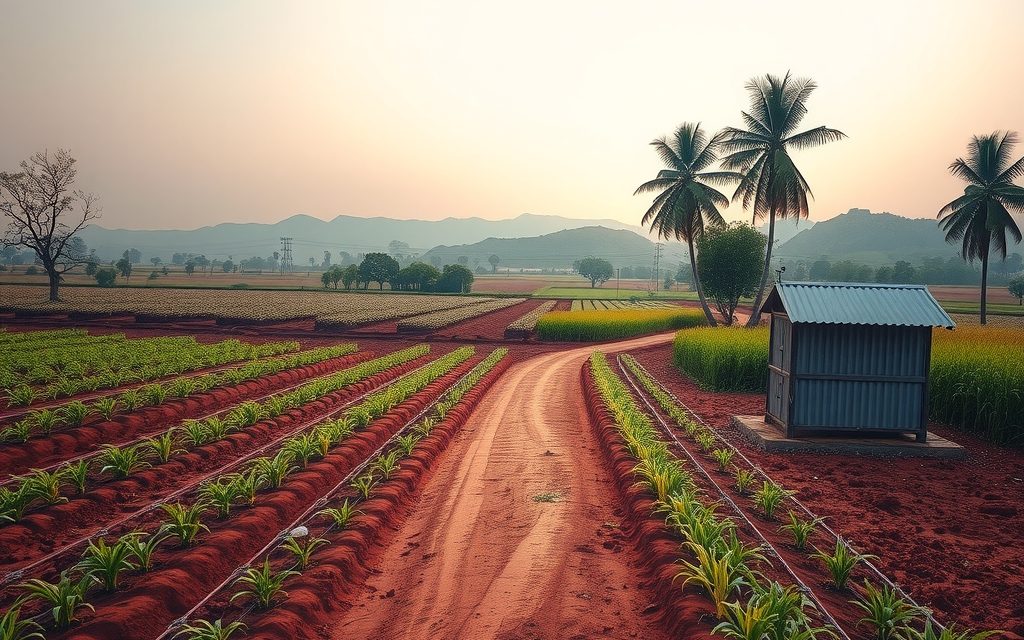
Forest-edge farm land 30 km past the ORR's Dundigal exit on the Medak highway. What the reserve forest gives and restricts, the real water picture, managed farm plots, indicative per-acre prices and Narsapur's title checks.
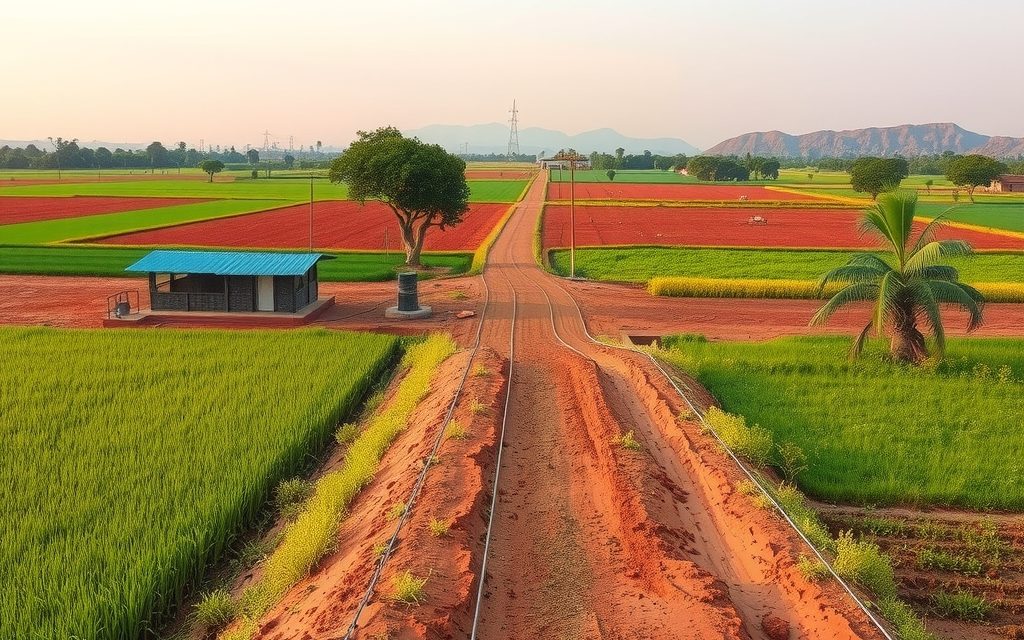
Weekend-farm red soils along the Narsapur road and Ghanpur-fed paddy land around the district headquarters, 90–100 km from Hyderabad. Indicative per-acre prices, RRR and HMDA checks and the full title checklist.
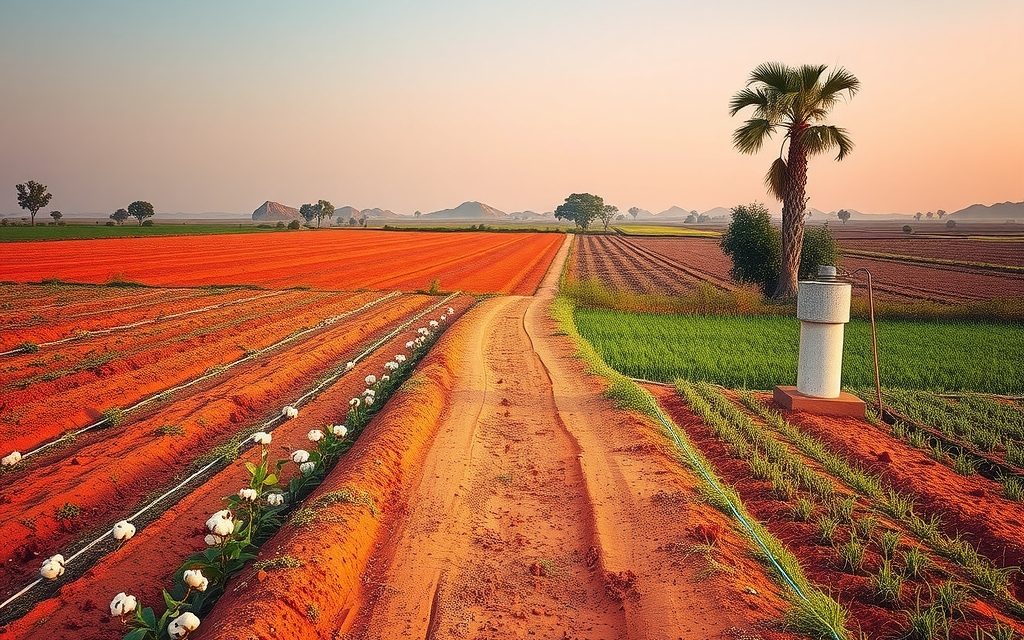
District-headquarters farm land on the Mumbai highway, 25 km past the Patancheru ORR exit. Red loam and black soil, cotton and maize country, larger blocks at a fraction of inner-ring prices.
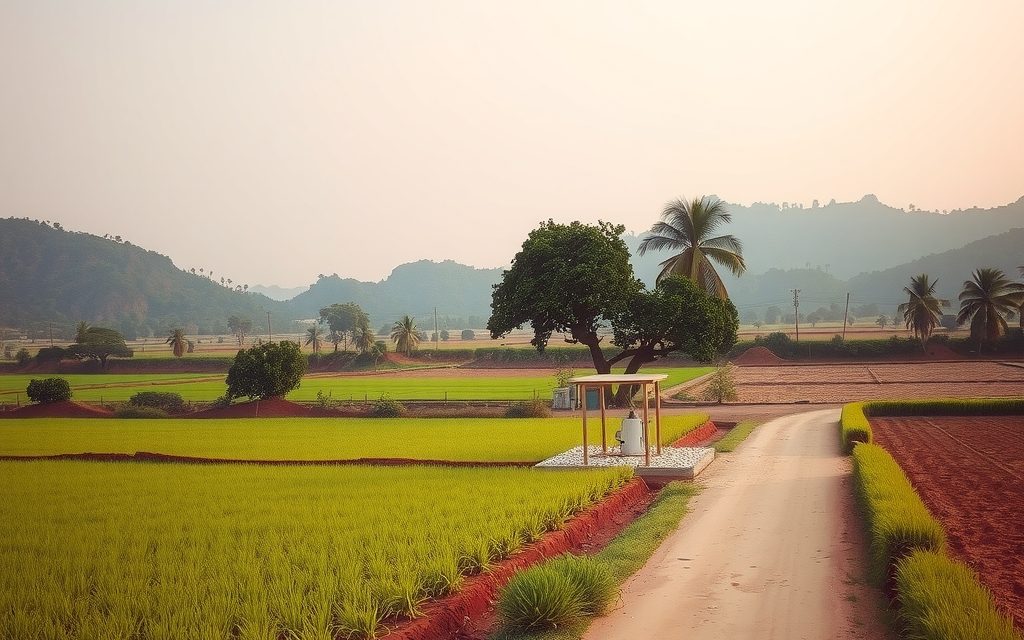
Farm land 30 km past the ORR's Medchal interchange on NH-44, where the Regional Ring Road's northern arm is planned to cross. Indicative prices, Kaleshwaram water realities, warehousing pressure, title checks and Tahsildar registration.
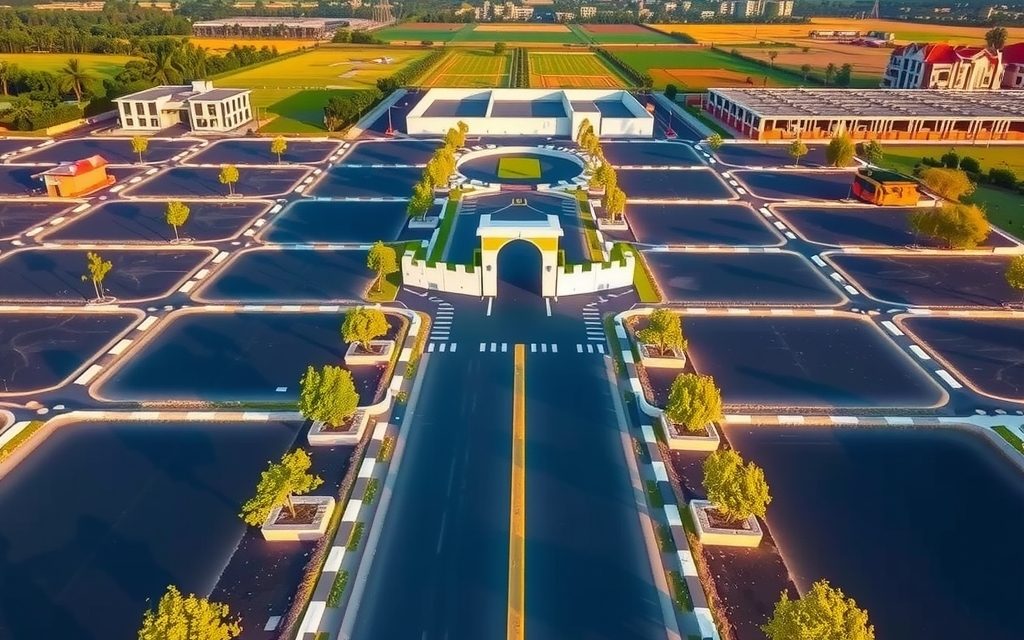
Narsapur, 30 km past the ORR Dundigal exit on the Medak highway, is a forest-edge weekend-home market. DTCP plot bands, villa-plot ventures, forest-boundary and tank checks, and why NRIs must avoid farm plots here.

A farm plot is usually agricultural land cut into guntas, not a residential plot. What you actually own, whether you can build a farmhouse, how managed ventures work, and indicative per-gunta prices across belts within about 60 km.
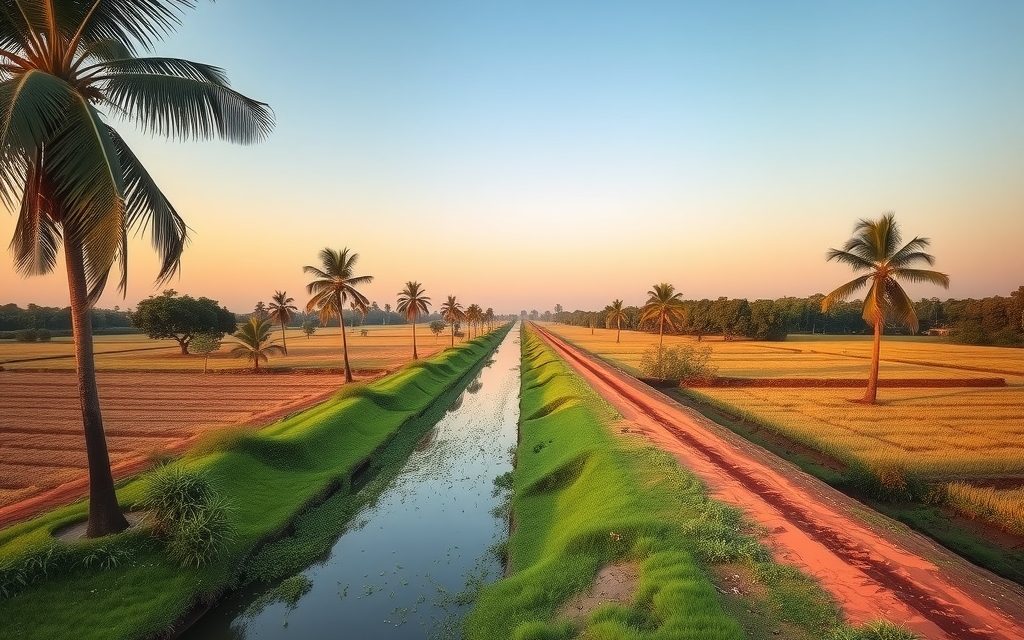
What you actually own in a managed farm plot or plantation scheme in Telangana: the four legal structures, mother-title and gunta registration checks, how to read return projections, exit risk and the questions to ask before paying.

NRIs and OCIs cannot buy or receive gifts of agricultural land, plantations or farmhouses; inheritance is the only route. What inherited land allows, why benami workarounds are dangerous, and the lawful alternatives near Hyderabad.