Agriculture & Farm Land in Pudur, Vikarabad
Red-soil orchard country beyond Chevella off the Bijapur highway, about 60–70 km from Gachibowli. Mango and guava on borewells at prices well below Chevella, with highway-widening and forest-boundary checks to get right.
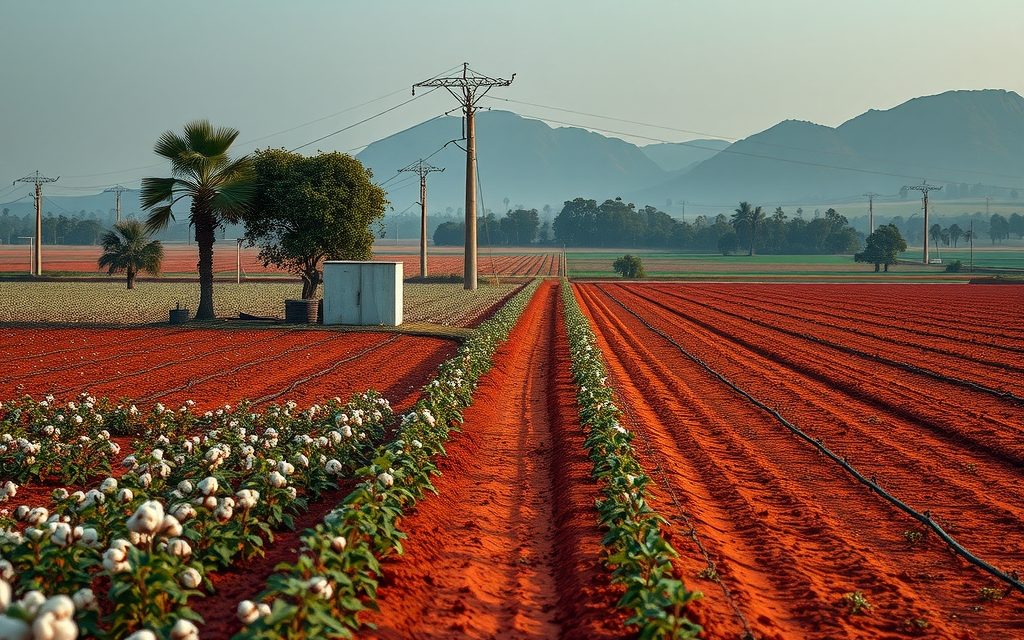
- About 20 km beyond Chevella and 45–50 km from the ORR at Appa Junction; 60–70 km from Gachibowli
- Agricultural land registers at the Pudur Tahsildar office; converted land at the jurisdictional SRO
- Roughly half the land bore-irrigated (about 200–500 ft); close to a third rainfed
- Red loam and gravelly red soils; guava, mango, custard apple, cotton, maize and fodder
- Typical parcels 2–15 acres; bearing orchards and family holdings still come to market
| What | Indicative range | Note |
|---|---|---|
| Bijapur highway frontage on the Pudur stretch | ₹1 Cr – ₹2.5 Cr per acre | indicative, Oct 2026; check widening line |
| Villages within 3–5 km of the highway, BT road | ₹40 L – ₹80 L per acre | indicative, Oct 2026 |
| Bearing mango or guava orchard with borewell | ₹45 L – ₹90 L per acre | indicative, Oct 2026 |
| Interior land with a working bore | ₹28 L – ₹55 L per acre | indicative, Oct 2026 |
| Rainfed interior or forest-fringe land | ₹18 L – ₹35 L per acre | indicative, Oct 2026; forest check essential |
| Farm plots in gated farm ventures | ₹2 L – ₹4.5 L per gunta | indicative, Oct 2026 |
Ranges reflect recent transactions and advisor observation as of 2026-10. Always verify against the sub-registrar market value and the specific parcel.
Agriculture land in Pudur appeals to buyers who like Chevella's red soil and mango orchards but not Chevella's prices. Pudur is a mandal in Vikarabad district, Telangana, lying beyond Chevella on the Vikarabad side of the Hyderabad–Bijapur highway, in the quieter belt between the weekend-farmhouse villages closer to the city and the interior mandals around Vikarabad and Parigi. It is farm country in the plain sense: red earth, borewells, guava and mango blocks, fodder and vegetables, and small hamlets connected by panchayat roads. Roughly 60 to 70 km from Gachibowli, it is close enough for weekend visits and far enough out that per-acre prices are still a fraction of those nearer the Outer Ring Road. This guide sets out indicative prices as of October 2026, how the highway widening and nearby forest land affect individual parcels, and the checks that matter before you commit.
All prices here are indicative ranges based on recent transactions and advisor observation, not offers. In Pudur the spread is driven mainly by distance from the Bijapur highway, then by water, then by whether a parcel already carries a bearing orchard.
What makes Pudur worth a look
Buyers usually arrive at Pudur after pricing land in Moinabad, Chevella and Shankarpally and concluding that the money will not stretch to the acreage they want. Pudur answers that problem without pushing them into truly remote country.
- A shorter drive than the deep interior. Pudur is reached off the same Bijapur highway that serves Chevella, so the run from Narsingi or Kokapet is straightforward and improving as widening progresses.
- Orchard country. Mango and guava do well here on red loam with drip irrigation, and many parcels already carry trees. That gives buyers the option of a productive farm from the first season.
- Spillover logic. As Chevella has repriced, demand for weekend farms and orchards has moved outward along the highway. Pudur is part of the next ring of villages to feel that demand.
- A rural setting that has not been parcelled up. Compared with the belt nearer the city, fewer fields here have been converted into ventures, and family holdings of five to fifteen acres still come to market.
The limits are equally clear. Pudur has no large employer, no ring road through it and a smaller pool of resale buyers than Chevella. Appreciation tends to follow the highway and the westward spread of weekend demand, which is a slow process. It suits people who want to use the land or hold it patiently.
Location: Pudur, the Bijapur highway and the routes in
From the city, the standard route leaves the ORR at Appa Junction, follows the Hyderabad–Bijapur highway through Moinabad and Chevella, and continues west toward the Manneguda side before branching onto the village roads that serve Pudur. Buyers coming from Lingampally or Kollur sometimes prefer to drive via Shankarpally and approach from the Vikarabad side.
| From the Pudur area to | Approximate distance |
|---|---|
| Chevella | About 20 km |
| Vikarabad town | About 20–25 km |
| Parigi | About 20–25 km |
| Outer Ring Road at Appa Junction | About 45–50 km |
| Gachibowli / Hitech City | About 60–70 km |
| Rajiv Gandhi International Airport | About 75–85 km |
Distances vary by village; the mandal is spread out, and a hamlet near the highway and one tucked toward the Vikarabad side can be twenty minutes apart. When we shortlist, we time the drive from the city to the gate of each parcel rather than relying on the mandal name.
Highway widening: an opportunity and a trap
The four-laning of the Bijapur highway from Appa Junction toward Manneguda has been one of the most discussed road projects in the west of the city, including public debate over the old banyan trees that line parts of the route. For Pudur, a faster highway shortens the drive and lifts interest in villages within easy reach of it. For a buyer of highway-frontage land, though, widening raises three questions that must be answered before any price is agreed: how much of the frontage falls within the acquisition line, whether compensation for that strip has been paid or is pending, and how vehicle access to the parcel will work once the road is complete. A frontage price only makes sense on the land that remains after widening.
The Regional Ring Road
The southern arm of the RRR, as currently discussed, runs through the Chevella and Shankarpally side between the city and Vikarabad. Depending on the final alignment, Pudur may sit just outside the ring, with improved access via an interchange near the Bijapur highway. We do not price RRR benefit into Pudur farm land until the alignment for the specific stretch is notified and acquisition is underway.
Forest land and the Damagundam question
Pudur has a feature that most farm-land belts near Hyderabad do not: substantial reserve forest within the mandal, including the Damagundam forest. That forest has been in the news because of the Indian Navy's very-low-frequency communication station planned there. Two practical consequences follow for buyers.
- Boundary verification is not optional. Any parcel close to reserve forest needs its survey number checked against forest records and a licensed survey on the ground. Reserve forest cannot be bought, and revenue and forest boundaries do not always agree.
- Restrictions near defence installations. Defence and strategic installations can come with restrictions on construction in their vicinity. We check, for any parcel near the forest and the planned station, whether any such restriction has been notified for the survey number, and we advise against paying a premium on the assumption that a government project will lift land values nearby. Projects like this tend to close land rather than open it.
None of this makes Pudur unsafe to buy in. Most farm villages in the mandal are well away from the forest. It does mean that "near the forest" is a reason for more diligence, not a selling point in itself.
Soil, water and orchards in Pudur
The red-loam advantage
Pudur's soils are mostly red: gravelly and shallow on the higher ground, deeper red loam in the gentle valleys and below tanks. It is the same family of soils that made Chevella's mango and guava orchards famous, and it drains well, which orchard roots like. The downside is that red soil holds little water, so irrigation planning decides whether an orchard thrives or struggles.
Borewells and tanks
Borewells irrigate roughly half the farmed land, with open wells and village tanks covering part of the rest and close to a third of land rainfed. Bores of roughly 200 to 500 feet are common. As everywhere on this plateau, valley fields and land below tanks tend to have steadier bores than ridges. Restored village tanks have improved recharge in several villages, and a field downstream of a well-maintained tank deserves a premium.
What grows well here
- Guava: a strong performer on drip in Pudur's red loam, bearing within two to three years and selling into Hyderabad's wholesale markets.
- Mango: traditional varieties and newer high-density plantings; bearing orchards add real value to a parcel.
- Custard apple: on stonier, drier land where other trees struggle.
- Field crops: cotton, maize and jowar in kharif, with vegetables, fodder and paddy where water allows.
Valuing an existing orchard
An established orchard can justify a price well above bare land, but only if it is healthy. Ask for the last three seasons' crop sale figures, count the trees and check for gaps, look at the variety and age, and have someone who knows orchards walk the rows. Trees that have been neglected for two or three years may need heavy pruning and several seasons to return to full yield. Also check how the orchard is irrigated; a drip system in good repair is a meaningful asset, a broken one a cost.
Agriculture land in Pudur: indicative price bands
The ranges below reflect recent transactions and advisor observation as of October 2026, per acre unless stated.
| Parcel type | Indicative range | Deciding factors |
|---|---|---|
| Bijapur highway frontage on the Pudur stretch | ₹1 Cr – ₹2.5 Cr per acre | Widening line, usable frontage, access |
| Villages within 3–5 km of the highway, BT road | ₹40 L – ₹80 L per acre | Road quality, bore yield |
| Bearing mango or guava orchard with borewell | ₹45 L – ₹90 L per acre | Tree health, variety, crop records |
| Interior land with a working bore | ₹28 L – ₹55 L per acre | Summer yield, monsoon access |
| Rainfed interior or forest-fringe land | ₹18 L – ₹35 L per acre | Forest boundary, access, title chain |
| Farm plots in gated farm ventures | ₹2 L – ₹4.5 L per gunta | Sub-division status, parent title |
For comparison, our page on agricultural land in Chevella shows interior bands well above these, and the Vikarabad farm land page shows interior rainfed land at similar or slightly lower levels. Pudur sits where you would expect: below Chevella, roughly level with or a little above interior Vikarabad, and above farm land in Parigi further south-west.
Per-gunta pricing in context
With 40 guntas to an acre, a venture plot at ₹3 lakh per gunta equals ₹1.2 crore per acre, well above the price of comparable raw land a few kilometres away. That gap pays for fencing, planting, internal roads and management. Decide whether you need those services before paying for them.
Orchard economics: planting guava or mango on Pudur land
Many Pudur buyers intend to plant rather than buy a ready orchard. The numbers below are indicative, as of October 2026, for a two-acre block on borewell land with reasonable soil. They are meant to show the shape of the commitment, not to promise any yield or return.
| Item | High-density guava | Mango (conventional or medium density) |
|---|---|---|
| Land preparation, pits and manure | ₹80,000 – ₹1.5 L | ₹60,000 – ₹1.2 L |
| Saplings | Several hundred plants per acre | Fewer, larger-spaced plants |
| Drip system with filters and mains | ₹1.2 L – ₹2.5 L | ₹1 L – ₹2 L |
| Years to first meaningful crop | About 2–3 | About 4–6 |
| Ongoing work | Pruning, bagging, regular picking | Seasonal pruning, flowering care, harvest |
Guava pays back sooner but needs more frequent labour, which matters if you will only visit at weekends. Mango is slower but more forgiving of an absentee owner once established. Many owners plant a mix, with guava for early income and mango for the long term, and interplant vegetables or fodder in the first years while the trees are small. Whatever you choose, the bore decides the outcome; plant only as much as your summer water can sustain.
Questions to put to a Pudur seller
- When was the bore drilled, how deep is it, and how many hours does it run in May?
- Is the agricultural power connection in your name, and are there any dues?
- Who are the neighbours on each side, and has there ever been a boundary disagreement?
- Has any part of the land been notified or acquired for the highway, a tank or any government project?
- Are all your brothers, sisters and other heirs willing to sign the sale deed?
- Is any part of the land leased out, and when does the current lease or crop end?
Straight answers to these questions usually tell you within one visit whether a parcel is worth the cost of full legal verification.
Kinds of land on offer around Pudur
Family-held patta land
Most supply consists of family holdings of two to fifteen acres, often with several heirs. This is the best value in the mandal, and the most demanding in title work.
Ready orchards
Bearing mango and guava blocks with bores and sometimes drip systems. They cost more but deliver produce from the first season and save years of waiting.
Highway-side parcels
Land on or near the Bijapur highway, bought for future commercial use or simply for access. Price these after accounting for widening and the cost and feasibility of NALA conversion if you plan any non-farm use.
Farm ventures
A smaller number of fenced, planted ventures sell plots by the gunta. Insist on knowing whether each plot is a separately recorded sub-division with its own passbook entry or a share in a larger survey number.
Due diligence for a Pudur parcel
Work through every item for each survey number. The order below reflects what most often goes wrong in this mandal.
- Forest and defence proximity. Check the survey number against forest records and any notified restrictions near the planned naval station, as described above.
- Highway acquisition. For land near the Bijapur highway, see the widening plan and confirm what part of the parcel, if any, is being acquired and whether compensation is settled.
- Bhu Bharati and passbook. Name, extent and survey number must match the online record of rights and the passbook.
- Pahani and 1B history over as many years as possible, watching for classification changes and gaps.
- Thirty-year EC and link documents, plus succession records where land passed without registered deeds.
- Legal heirs. Every heir with a share must join the sale or have released their share by registered document.
- Survey, FMB and boundaries. Our guide to land survey, FMB and boundaries explains why an on-ground measurement by a licensed surveyor matters, particularly for orchards whose tree rows may straddle a boundary.
- Section 22-A and assigned land. Confirm the land is not on the prohibited list and not assigned to landless families under a government scheme.
- Tank FTL, ceiling and 58/59 regularisation. Exclude tank-bed portions and confirm there is no ceiling or regularisation restriction.
- NALA status if the land is already converted or you plan to convert part of it.
The state land records portal provides a first look at any survey number. We always follow it with certified records and a visit to the Tahsildar's office.
Registration and costs for Pudur land
Unconverted agricultural land registers at the Pudur mandal Tahsildar office, where the Tahsildar acts as joint sub-registrar under Bhu Bharati and processes mutation in the same step. Converted land, plots and buildings register at the jurisdictional sub-registrar office, which we confirm from the survey number before the slot is booked. The registration department portal publishes market values and handles slot booking.
| Component | Approximate rate | Basis |
|---|---|---|
| Stamp duty | ~5.5% | Higher of agreed price and government market value |
| Transfer duty | ~1.5% | Not levied in gram panchayat areas |
| Registration fee | ~0.5% (about 2% in gram panchayat areas) | Total remains near 7.5% |
| Mutation and passbook | Nominal | With registration at the Tahsildar office |
Plan on roughly 7.5% of value in duty and fees, and expect us to verify current rates on the day. The 1% TDS under Section 194-IA does not apply to rural agricultural land, which covers the great majority of Pudur purchases. If a parcel lies close to any municipal limits, confirm its tax classification with a chartered accountant.
Managing a Pudur farm from the city
Most Pudur buyers live in Hyderabad and visit at weekends, so the practical question is how the land is looked after between visits. Three arrangements are common.
- A resident caretaker family: usually from the same or a neighbouring village, living in a small room on the land and handling watering, minor repairs and security in exchange for a monthly wage and sometimes a share of vegetables or fodder. This works best on parcels of three acres and above.
- Seasonal orchard leasing: owners of bearing mango orchards often sell the season's crop to a fruit contractor, who takes on flowering care, spraying and harvesting for an agreed sum. It is a long-standing practice in the Chevella–Vikarabad belt and suits absentee owners, though the contractor's interest ends with the harvest, so pruning and long-term tree health stay with you.
- Annual field lease: a neighbouring farmer cultivates the land for a yearly rent. Simple and low-effort, but expect only field crops, not orchard development.
Whichever arrangement you choose, keep it in writing, keep it short and renewable, record who pays the power bill, and make it clear that no tenancy or sale rights are created. Visit unannounced from time to time; a well-run farm looks the same on a Tuesday as on the Sunday you were expected.
Should you buy in Pudur?
Pudur works well for
- Weekend-farm buyers who are priced out of Chevella but want the same kind of red-soil orchard country within about 75 minutes of the IT corridor.
- Orchard investors who want to buy a bearing mango or guava block, or plant one on good bore land.
- Long-term holders who want acreage close to an improving highway.
- Families who will visit regularly and can keep a caretaker or lease the land locally.
Pudur is a poor fit for
- Buyers who want a gated community lifestyle rather than a working farm.
- Investors seeking a short holding period.
- Anyone attracted mainly by proximity to the forest or a government project.
- Buyers who intend to build first and convert later.
How Pudur compares with neighbouring belts
Closer to the city, farm land in Moinabad and Chevella offer shorter drives and more established farmhouse markets at much higher prices. To the north, the farm land around Ananthagiri offers views and forest at a premium for the right parcels. To the south-west, Parigi offers lower prices and longer drives. Pudur's niche is the middle: orchard country within reasonable reach of the city, at prices that still allow a meaningful acreage.
NRI note for Pudur
NRIs and OCIs cannot purchase agricultural land, plantations or farmhouses in India under FEMA, and they cannot receive such land as a gift. That applies to every farm parcel and farm-venture plot in Pudur. Inheritance is permitted; an NRI heir can hold the land, lease it locally and, within the rules, sell it to a resident Indian.
We help NRI families with inherited Pudur land to record succession, survey and fence, lease orchards to local operators and, when they choose, sell cleanly. For fresh investment, NRIs generally look at approved plots or homes instead. Our guide to NRI agriculture land rules in Telangana covers the options, and a chartered accountant should advise on tax.
How NRR Estates helps you buy in Pudur
- Brief: weekend farm, orchard, land bank or highway parcel.
- Shortlist and visits: timed drives from the city, bore runs, orchard inspections and conversations with neighbours.
- Forest, defence and highway checks before anything else for parcels near those features.
- Title verification: Bhu Bharati, passbook, pahani history, 30-year EC, link documents, heir mapping, 22-A and assigned land checks, licensed survey.
- Negotiation grounded in registered transactions, usable area and the real condition of any orchard.
- Registration and mutation at the Tahsildar or SRO, followed through to the passbook.
- After the sale: fencing, drip, orchard management and lease introductions.
We put our advisory fee in writing at the start, before you sign or pay anything.
Pudur farm land: questions we are asked
What is the price of agriculture land in Pudur per acre?
As of October 2026, indicative ranges are about ₹18 lakh to ₹35 lakh per acre for rainfed interior or forest-fringe land, ₹28 lakh to ₹55 lakh for interior land with a working bore, and ₹40 lakh to ₹80 lakh for villages within 3 to 5 km of the highway on a BT road. Bearing orchards with bores run around ₹45 lakh to ₹90 lakh, and highway frontage ₹1 crore to ₹2.5 crore. These come from recent transactions and advisor observation.
Where is Pudur and how far is it from Hyderabad?
Pudur is a mandal in Vikarabad district beyond Chevella, on the Vikarabad side of the Hyderabad–Bijapur highway. The usual route leaves the ORR at Appa Junction and follows the highway through Moinabad and Chevella before turning onto village roads. Depending on the village, Pudur is about 45 to 50 km from the ORR and 60 to 70 km from Gachibowli, with Vikarabad and Parigi each roughly 20 to 25 km away.
Is Pudur cheaper than Chevella for farm land?
Yes, generally by a wide margin. Interior land in Pudur trades well below interior Chevella bands for similar red soil and orchard potential, because Pudur is further from the ORR and has a smaller resale market. The trade-off is a longer drive, fewer established farmhouse communities and slower appreciation. For buyers who want acreage and orchards rather than a short commute, that trade-off often makes sense.
How does the Bijapur highway widening affect Pudur land?
A faster highway shortens the drive and lifts interest in villages within easy reach of it. For frontage land, though, check how much of the parcel falls within the acquisition line, whether compensation for that strip is settled, and how vehicle access will work after widening. Pay frontage rates only on the land that remains. Interior parcels benefit indirectly through better access rather than through any direct premium.
Does the naval station at Damagundam affect land in Pudur?
It matters mainly for parcels close to the Damagundam reserve forest. Reserve forest cannot be bought, and strategic installations can bring restrictions on construction nearby. For any parcel near the forest or the planned station, we verify the survey number against forest records and check for notified restrictions. We advise against paying a premium on the assumption that the project will raise nearby land values; such projects tend to restrict land rather than open it up.
Is Pudur good for a mango or guava orchard?
Yes, provided the parcel has dependable water. Pudur's red loam drains well and suits both crops on drip irrigation. Guava bears within about two to three years but needs regular labour; mango takes four to six years and is more forgiving for absentee owners once established. When buying a ready orchard, check three seasons of crop sales, tree health, variety and the condition of the drip system, and see the bore run in summer.
Where is farm land in Pudur registered?
Unconverted agricultural land registers at the Pudur mandal Tahsildar office, where the Tahsildar acts as joint sub-registrar under Bhu Bharati and processes mutation in the same step. Converted land, plots and buildings register at the jurisdictional sub-registrar office, which we confirm from the survey number. Budget roughly 7.5% of value for stamp duty, transfer duty and registration fee, and verify current rates on the day of registration.
Can NRIs buy agricultural land or orchards in Pudur?
No. FEMA bars NRIs and OCIs from purchasing agricultural land, plantation property or farmhouses in India, and such property cannot be gifted to them. Orchards count as agricultural land. NRIs can inherit, hold and lease such land and, within the rules, sell it to a resident Indian. We help NRI heirs with succession entries, surveys, orchard leasing and sales; for fresh investment they usually look at approved plots or homes.
Related guides
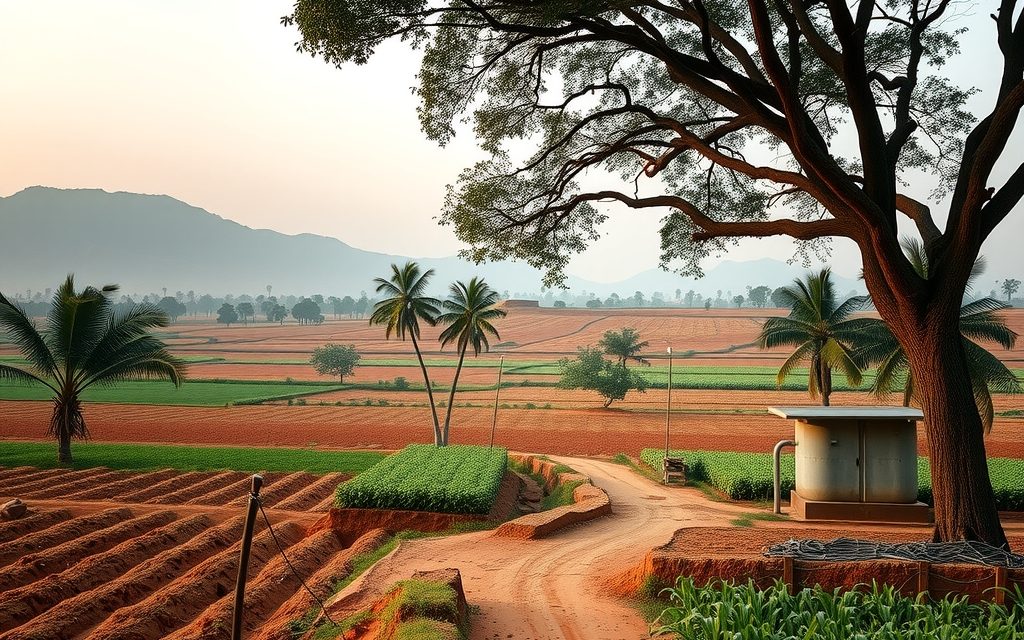
Hyderabad's long-standing weekend-farm belt on the Bijapur highway, about 40 km from Gachibowli. Red soil, mango and guava orchards and interior acreage still priced for real farming.
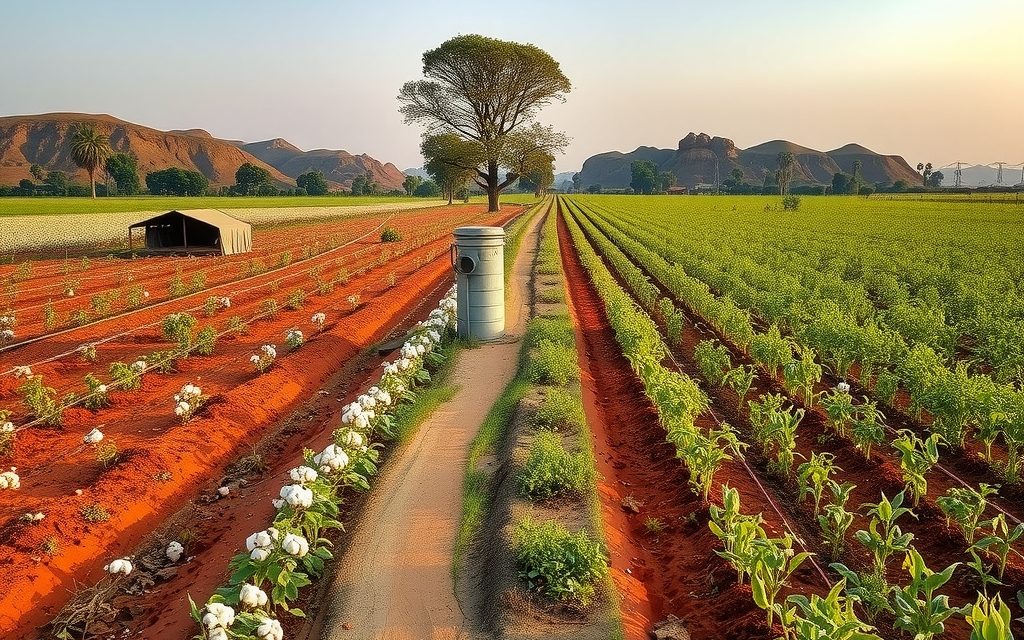
Hill-country farm land at about 2,000 ft, 45–50 km beyond the ORR. Low per-acre prices, cooler weekends and mango or custard apple orchards, with forest boundaries and water as the key checks.
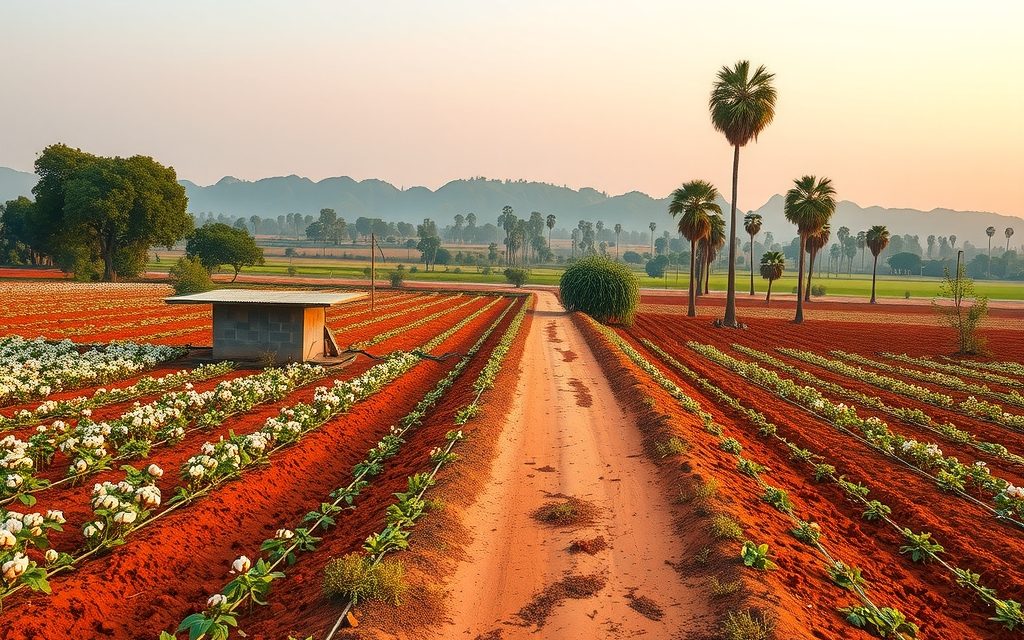
Interior Vikarabad farm land 80–90 km from Gachibowli, with some of the lowest per-acre prices within two hours of Hyderabad. Red soil, tank-fed paddy and mango, and a sharp price gap between dry land and borewell land.
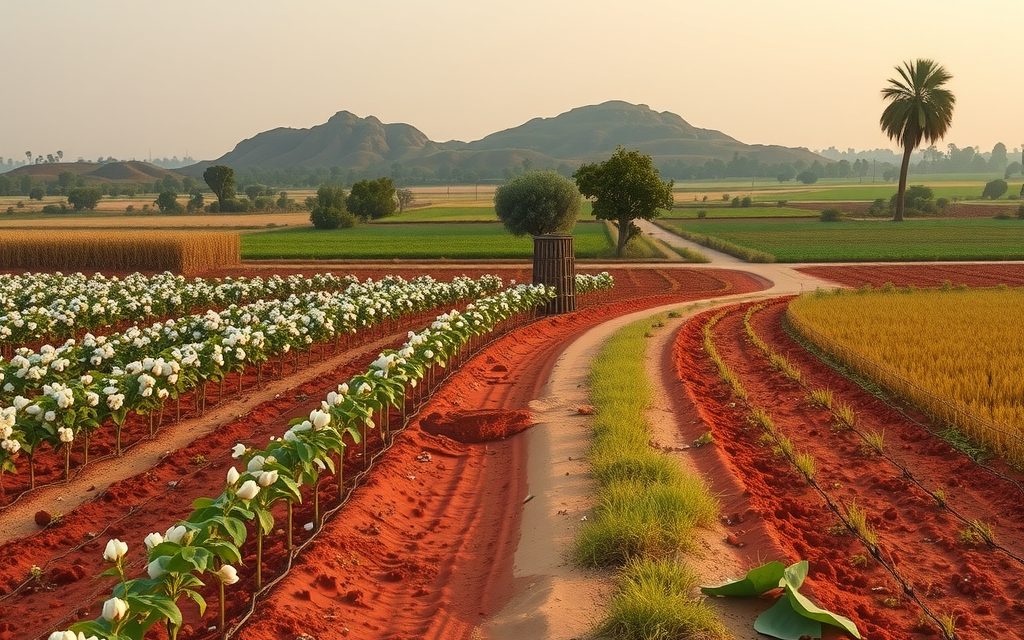
Forest-edge farm land below the Ananthagiri hills, about 50 km beyond the ORR near Vikarabad. Red soil, custard apple and mango, cooler weekends, and forest-boundary checks that decide whether a parcel is worth buying.
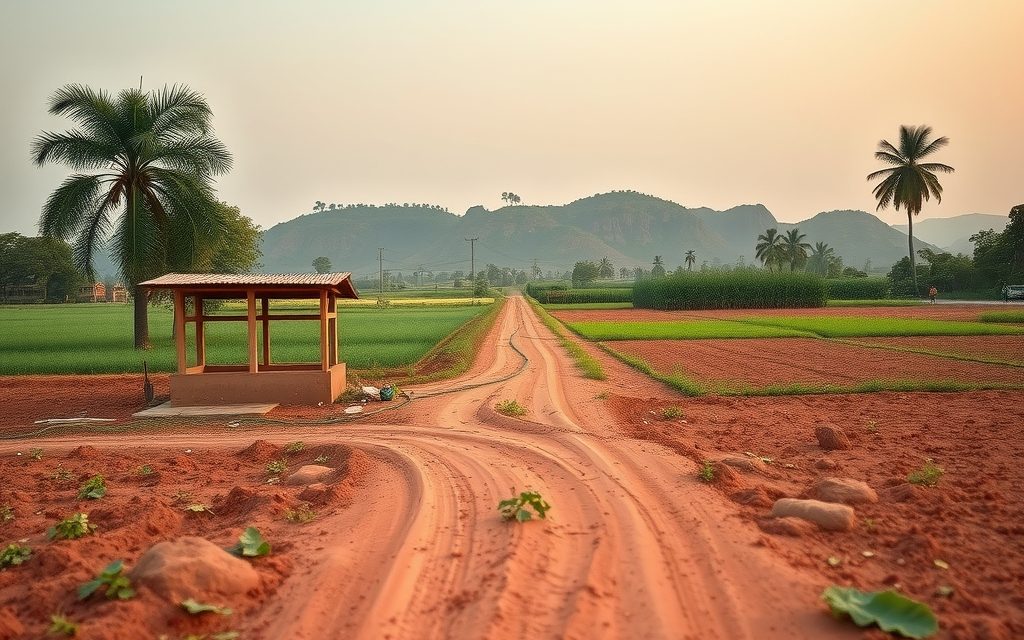
Hyderabad's closest established farmhouse belt, 10 minutes past the ORR at Himayat Sagar. Orchards, managed farm plots and estates, with the former GO 111 catchment rules explained.

NRIs and OCIs cannot buy or receive gifts of agricultural land, plantations or farmhouses; inheritance is the only route. What inherited land allows, why benami workarounds are dangerous, and the lawful alternatives near Hyderabad.
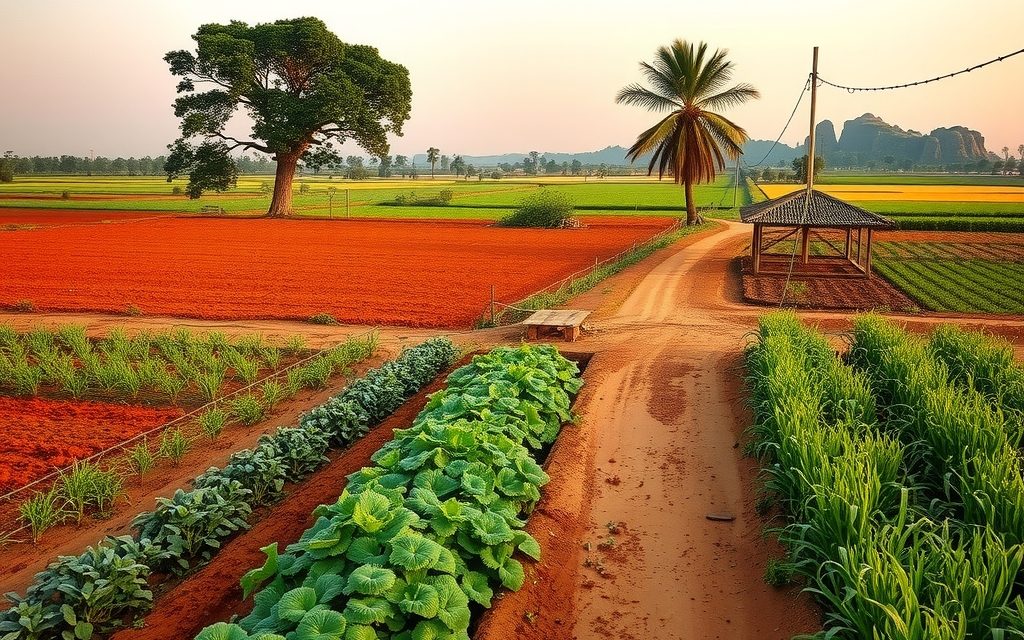
Red-soil farmland 4 km from the ORR beside the Aerospace SEZ and TCS campus. Interior villages still farm vegetables and mango; land near the SEZ is priced as future layout land and needs careful acquisition checks.
Deep black cotton and soybean land on the Penganga plains, about 300 km from Hyderabad on NH-44. Indicative per-acre bands by distance, and how to screen for 1/70 Scheduled Area villages and forest lines first.