Villas & Independent Houses in Tarnaka, Hyderabad
Tarnaka's villa market is independent houses on the Osmania University edge, railway-side rebuilds with rental floors and rare old bungalows. See indicative prices, rental demand from students and families, title checks and how it compares with Habsiguda.
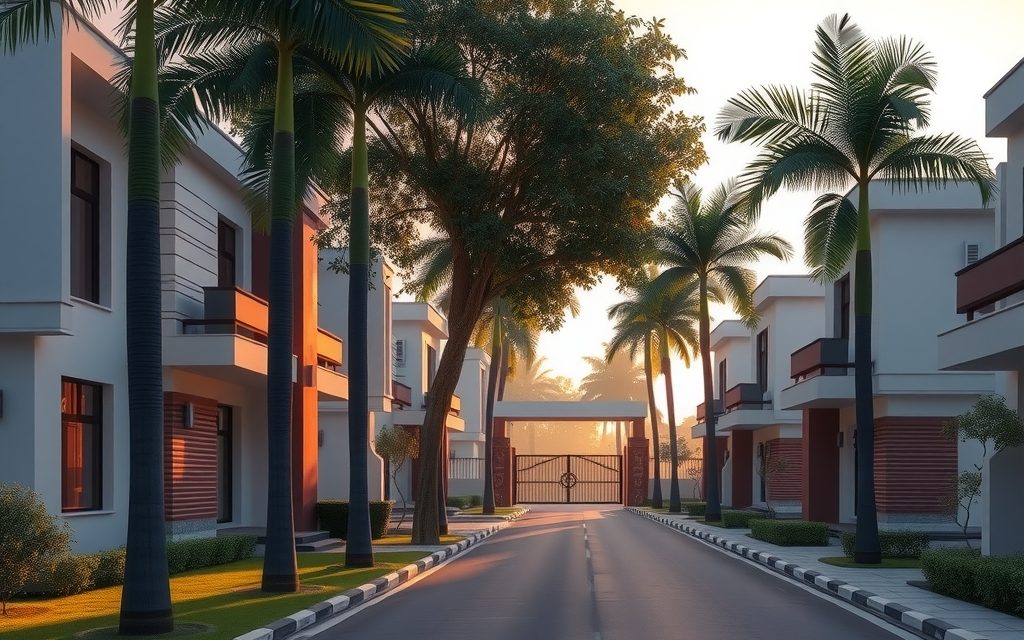
- Tarnaka metro on the Blue Line; Secunderabad station typically 10–20 minutes by road
- Independent houses indicatively ₹1.2 Cr – ₹5.0 Cr; large bungalows up to about ₹9 Cr
- Land indicatively ₹1.1 L – ₹1.7 L per sq yd, above neighbouring Habsiguda
- Year-round tenants: Osmania students, NIN and IICT scholars, railway and hospital staff
- No vacant land for gated villas; resale houses only, many sold by heirs
| What | Indicative range | Note |
|---|---|---|
| Small older house, railway side or interior lane, 100–150 sq yd | ₹1.2 Cr – ₹2.2 Cr | indicative, Oct 2026 |
| Older independent house, established colony, 150–300 sq yd | ₹1.7 Cr – ₹4.5 Cr | indicative, Oct 2026 |
| Rebuilt G+2/G+3 with rental floors, 150–250 sq yd | ₹2.4 Cr – ₹5.0 Cr | indicative, Oct 2026 |
| Large old bungalow, university edge, 400–600 sq yd | ₹4.5 Cr – ₹9.0 Cr | indicative, Oct 2026 |
| Residential land value, clear title | ₹1.1 L – ₹1.7 L per sq yd | indicative, Oct 2026 |
| Monthly rent, full 3–4BHK independent house | ₹35,000 – ₹90,000 | indicative, Oct 2026 |
Ranges reflect recent transactions and advisor observation as of 2026-10. Always verify against the sub-registrar market value and the specific parcel.
Tarnaka is one of the few places left in Hyderabad where a family can buy an independent house on a tree-lined street, walk to a metro station and still be ten minutes from Secunderabad. It sits on the eastern edge of Osmania University, beside the National Institute of Nutrition and the IICT campus, with the railway colonies of Lalaguda and Mettuguda to the north. The market for villas in Tarnaka is almost entirely independent houses: 1970s and 1980s G+1 homes built by professors, scientists and railway officers, a growing number of rebuilt G+2 and G+3 houses with rental floors, and a thin layer of large old bungalows that come to market once or twice a year. New gated villa projects do not exist here in any meaningful number, because there is simply no vacant land. This guide explains, as of October 2026, how Tarnaka houses are priced, which pockets behave differently, what papers an old university-edge house needs, how rental demand from students and families works, and how Tarnaka compares with neighbouring Habsiguda.
NRR Estates is a Hyderabad advisory that works for the buyer. We walk the streets with you, read the documents before price is discussed and disclose our fee in writing before you commit to anything.
Why villas in Tarnaka still attract buyers
Independent houses in Tarnaka sell on a mix of location, character and income that very few eastern neighbourhoods can match. The reasons buyers give us are consistent.
- Central without being congested: Secunderabad station, Parade Ground and the Paradise junction are typically 10–20 minutes by road, and the old city and Abids are reachable without crossing the whole of Hyderabad.
- Metro at the door: Tarnaka station on the Blue Line connects directly to Ameerpet and HITEC City, and Mettuguda and Habsiguda stations sit on either side.
- Green institutional surroundings: the Osmania University campus, NIN and IICT keep large tracts of land open, which means cooler streets, birdsong and very little high-rise pressure next to your house.
- Built-in rental demand: students, research scholars, hospital staff and railway families create year-round demand for rooms, floors and whole houses.
- Settled neighbours: many families have lived in the same colony for forty years, and the social fabric is stable in a way new suburbs take decades to build.
The trade-offs are just as real. Plots are small by modern standards, roads in the inner colonies can be 20–25 ft wide, the housing stock is old, and prices per square yard are among the highest in east Hyderabad. If you want a clubhouse, a swimming pool and a security gate, Tarnaka is the wrong place to look; buyers with that brief usually drive north to villas in Sainikpuri or east toward the gated projects beyond Uppal.
Tarnaka's micro-markets: where the houses actually are
We describe pockets and house types rather than private projects. In Tarnaka the pocket explains most of the price difference between two houses of the same size.
The university edge: Manikeswari Nagar, Vijayapuri and the streets near the Arts College side
The colonies hugging the Osmania campus are the original academic neighbourhood. Houses are typically G+1 on 150–300 sq yd, many with front gardens, mango or coconut trees and garages that were added later. Families of retired professors still own a large share, which is why many resale properties here are sold by heirs rather than original owners. Streets are quieter and greener than anywhere else in Tarnaka, and houses with a view toward the campus greens command a premium.
The Tarnaka junction and main-road belt
Along the main road between the Tarnaka junction and the metro station, houses have largely turned into mixed-use buildings: a shop, clinic or coaching centre on the ground floor and residences above. These properties are priced on frontage and commercial rent rather than on residential comfort. They suit buyers who want income, not quiet.
Lalaguda, Mettuguda and the railway side
North of the main road, the railway workshop, the railway hospital and the large blocks of railway quarters shape the neighbourhood. Private colonies sit between and around the railway land, with smaller plots of 100–200 sq yd, tighter lanes and a strong tenant base of railway employees, hospital staff and their families. This is Tarnaka's value pocket, and it is where rebuilt G+2 houses with two or three rental units are most common.
Lalapet and the southern fringe toward Habsiguda
Toward Lalapet and the stretch that runs down to Habsiguda, the stock is a mix of older independent houses and newer standalone apartment buildings that replaced them. Plot sizes are mid-range and prices sit between the university edge and the railway side.
The rare large bungalow
A handful of properties in Tarnaka sit on 400–800 sq yd, often built by senior officers or academics in the 1960s and 1970s. They rarely reach the open market; when they do, the buyer is usually either a family wanting a rare central address with a garden, or a developer planning a boutique apartment building. These deals turn heavily on title history and succession, which we cover below.
Tarnaka villa and independent house prices, October 2026
The ranges below are indicative, drawn from recent transactions and advisor observation as of October 2026. They are not quotes. Pocket, road width, plot shape, the age and soundness of the structure, and above all the state of the title push individual houses above or below them.
| House type in Tarnaka | Typical size | Indicative ticket |
|---|---|---|
| Small older house, railway side or interior lane | 100–150 sq yd; G+1 | ₹1.2 Cr – ₹2.2 Cr |
| Older independent house, established colony | 150–300 sq yd; G+1 or G+2 | ₹1.7 Cr – ₹4.5 Cr |
| Rebuilt G+2/G+3 with rental floors | 150–250 sq yd | ₹2.4 Cr – ₹5.0 Cr |
| Large old bungalow, university edge | 400–600 sq yd | ₹4.5 Cr – ₹9.0 Cr |
| Residential land value, clear title | — | ₹1.1 L – ₹1.7 L per sq yd |
| Monthly rent, full 3–4BHK independent house | — | ₹35,000 – ₹90,000 |
In practice, almost every Tarnaka house is priced as land plus a modest allowance for the structure. A 30-year-old G+1 in decent shape adds perhaps 10–25% over the land value; a house that needs a full rebuild may sell close to land value alone. Main-road mixed-use buildings follow a different logic and can sit well above these ranges if the commercial rent is strong.
What moves a Tarnaka house up or down
- Road width: a 30–40 ft road allows parking, a rebuild with more floors and a better resale audience. Houses on 20 ft lanes trade at a clear discount.
- Distance to the metro: a five-to-ten-minute walk to Tarnaka or Mettuguda station adds rental value, especially for student and scholar tenants.
- Plot regularity: square or rectangular plots with clean boundaries sell faster than odd shapes created by old partitions.
- Succession status: a house held by a single owner with a clear chain sells at a premium over one held jointly by several heirs, some abroad, who have not yet completed a partition or family settlement.
- Structure: a sound 2010s rebuild is worth far more than a 1970s house with roof leaks and added-on floors.
Tarnaka or Habsiguda: choosing between eastern neighbours
Almost every buyer who looks at Tarnaka also looks at Habsiguda, one metro stop east. The two share institutions, a similar housing stock and the same Blue Line, but they differ in ways that matter.
| Factor | Tarnaka | Habsiguda |
|---|---|---|
| Distance to Secunderabad | Closer, typically 10–20 min | Typically 15–25 min |
| Indicative land rate | ₹1.1 L – ₹1.7 L per sq yd | ₹90,000 – ₹1.5 L per sq yd |
| Typical plot | 100–300 sq yd, many older partitions | 150–300 sq yd, more regular grids |
| Tenant base | Students, railway and hospital staff, academics | Researchers, IT and BPO staff heading to Uppal |
| Character | Older, greener, more academic | Quieter grid, slightly newer rebuilds |
| Redevelopment pressure | High on main roads, low near the campus | Moderate, rising toward the Uppal road |
Our rule of thumb: buyers who prioritise Secunderabad, the old city and the academic atmosphere lean toward Tarnaka and accept the higher land rate. Buyers who work toward Uppal and the eastern IT campuses, or who want slightly larger, more regular plots for the same budget, often end up in Habsiguda. Our page on villas in Habsiguda covers that market in detail, and buyers open to a flat should compare apartments in Tarnaka, where a budget of ₹1–1.5 crore buys a modern unit rather than a house that needs work.
Living in Tarnaka: schools, hospitals and commute times
| From Tarnaka to | Typical time | Mode |
|---|---|---|
| Secunderabad station | 10–20 min | Road or metro |
| Ameerpet | 20–30 min | Blue Line metro |
| HITEC City | 35–50 min | Blue Line metro |
| Uppal and the Pocharam IT campuses | 15–20 min / 30–45 min | Road via Habsiguda and the Warangal highway |
| Rajiv Gandhi International Airport | 50–75 min | Road via the Inner Ring Road and PVNR Expressway or the ORR |
Schools and colleges: Tarnaka and its neighbours have a wide spread of state-board, CBSE and ICSE schools, and the university and its affiliated colleges are on the doorstep. Families with school-going children rarely need to send them across the city.
Healthcare: the railway hospital at Lalaguda serves railway families, multi-speciality hospitals operate in Tarnaka, Habsiguda and Secunderabad, and large tertiary hospitals in Secunderabad are typically within 15–25 minutes.
Daily life: the Tarnaka main road has supermarkets, bakeries, pharmacies and restaurants; Secunderabad's markets and the malls along the metro corridor cover the rest. Mornings bring walkers and joggers to the campus roads, and evenings are lively around the junction.
The downsides: traffic at the Tarnaka junction at peak hours, occasional campus-related protests and processions, and street parking pressure in the inner colonies. Visit on a weekday morning and again on a weekday evening before you decide.
Letting a Tarnaka house to students, scholars and families
Rental demand is the quiet reason many investors buy here. It comes from four distinct groups, and each wants something different.
Students and aspirants
Osmania University and the coaching centres around Tarnaka and nearby Ashok Nagar attract students and competitive-exam aspirants who rent single rooms or share 2BHK floors. Demand is high and rents per room are moderate. The trade-off is turnover, wear and the need for clear house rules. Some owners divide a floor into rooms with attached bathrooms; check that any such conversion stays within the building permission and that the plumbing and electrical load can cope.
Research scholars and visiting faculty
NIN, IICT, CCMB and the university bring scholars and visiting faculty who stay two to five years and prefer a furnished or semi-furnished 1BHK or 2BHK within walking distance of their campus. They are careful tenants who pay on time; the yield is moderate but vacancy is low.
Railway and hospital staff
Railway employees not allotted quarters, and staff of the hospitals in the area, rent family-sized 2BHK and 3BHK units on the railway side. Lalaguda and Mettuguda rebuilds with three or four units each are built largely for this group.
Families renting whole houses
Senior professionals and families relocating to Secunderabad rent full independent houses on the quieter university-edge streets, typically ₹35,000 to ₹90,000 a month depending on size and condition. These lets yield less in percentage terms but need far less management.
A practical note: if you plan to let floors or rooms, check how property tax is assessed for the rented portion and keep proper written rental agreements. Undocumented student lets create problems at resale and when you want vacant possession.
Old university-edge houses: title and approval checks that matter in Tarnaka
Tarnaka's houses are old, and old houses carry old paperwork. The legal work here is less about layout approvals for new projects and more about reconstructing a clean chain for a house that has passed through two or three generations.
- Title chain: registered sale deeds, gift deeds, partition deeds and settlement deeds for at least 30 years, with link documents that trace every transfer. Our guide to link documents and the title chain in Telangana explains how gaps are found and fixed.
- Encumbrance certificate: an EC searched both by property and by every owner's name over the full period, to catch mortgages, attachments and earlier sales.
- Succession: where the original owner has died, a registered partition or release deed among all heirs, or a family settlement, and in some cases a succession certificate or probated will. Heirs living abroad must sign through a properly adjudicated power of attorney.
- Government and institutional land: the survey number checked against the Section 22-A prohibited list and against any claim by the university, railways or other government bodies. Boundary disputes along institutional compounds are not unknown, so the plot must be measured on the ground.
- Building permission: from GHMC, with the approved plan compared against the built floors. Floors added without permission, and any application under a building regularisation scheme, must be disclosed and priced in.
- Master plan and road widening: houses on the main road and arterial streets checked against road-widening lines, which can take a strip of the front setback.
- Property tax, water and power: GHMC property tax receipts, HMWSSB connection and electricity bills in the seller's name, all clear of arrears.
Gated projects are rare here, but if you are offered a villa in a new development of more than 500 sq m or more than eight units, it must be registered with TS RERA; check the registration number and validity on the TS RERA portal, and ask for the approved plan, the development agreement with the landowner and, on completion, the occupancy certificate. For an older house, the occupancy certificate may never have been issued; we explain what that means for finance and resale case by case.
Buying process and charges for a Tarnaka house
A typical resale moves in four steps: a small token advance once you like the house, a detailed sale agreement after the title report clears, registration with the balance payment, and then mutation of property tax, water and electricity into your name. Bank loans are widely available for clean houses; lenders run their own legal and technical checks and will not fund a house with serious title gaps.
| Charge | Approximate figure | Notes |
|---|---|---|
| Stamp duty | ~5.5% | On the higher of the sale price and the government market value |
| Transfer duty | ~1.5% | Applies within GHMC |
| Registration fee | ~0.5% | Paid at the Sub-Registrar Office |
| Total registration cost | ≈7.5% | Verify current rates at the SRO on the day |
| GST | Typically 5% | Only on under-construction villas; not on completed resale houses |
| TDS by buyer | 1% above ₹50 lakh | Resident seller; Section 195 applies if the seller is an NRI |
Tarnaka spans more than one revenue mandal, and the jurisdictional SRO depends on which side of the neighbourhood the property lies. We confirm the correct SRO from the survey and door numbers in the documents, check the market value on the Telangana registration portal, and book the slot. A ₹2.5 crore house, for example, would carry roughly ₹18.75 lakh in stamp duty, transfer duty and registration fee at current approximate rates, plus documentation and advisory costs.
Rental yield and resale outlook for Tarnaka houses
A full independent house let to one family typically yields around 2.2% to 3.0% gross, because land values are high relative to family rents. A rebuilt G+2 or G+3 let floor-wise to railway staff, scholars or students can reach roughly 3.5% to 4.8% gross, with more management and more wear. Deduct property tax, repairs, periodic repainting and waterproofing, and one or two months of vacancy a year to reach an honest net figure.
Resale is supported by a structural shortage. No new land is being created in Tarnaka, the institutional campuses are not going anywhere, and the metro has made the area accessible from the western IT corridor. Factors we watch:
- Redevelopment demand: small developers keep looking for 300–500 sq yd plots for boutique apartment buildings, which supports land values for larger houses.
- Ageing stock: houses built in the 1970s and 1980s need either heavy renovation or a rebuild, which caps the premium for the structure.
- Succession sales: as the first generation of owners ages, more houses come to market through heirs, sometimes slowly because of family coordination.
- Traffic and parking: if junction congestion worsens, the quieter interior streets will hold value better than the main road.
Tarnaka suits a holding period of eight years or more, ideally with the option to rebuild. Short-term flipping is rarely profitable once the 7.5% registration cost is counted.
Who Tarnaka suits, and who should look elsewhere
It suits families who want a central, green address with an independent house; academics and doctors working nearby; NRIs buying near ageing parents; and investors who understand floor-wise letting. It does not suit buyers who want a gated community, a large plot for the money or a short commute to the Financial District. For a north-side alternative with a similar old-colony character and somewhat lower land rates, compare villas in Malkajgiri; for the cantonment-adjacent market, see villas in Secunderabad.
NRI guide to buying a house in Tarnaka
Many of our Tarnaka enquiries come from NRIs who grew up here, studied at Osmania or have parents living nearby. The rules are straightforward.
- Eligibility: NRIs and OCI cardholders can buy independent houses, villas and flats without RBI approval. They cannot buy agricultural land, plantations or farmhouses, and cannot receive them by gift; they can only inherit such land.
- Funds: payment from NRE, NRO or FCNR accounts or by inward remittance through banking channels. Cash and third-party payments are not acceptable.
- Power of attorney: if you cannot attend registration, a property-specific POA executed abroad, attested or apostilled as applicable, and adjudicated in Telangana within the prescribed time. Our guide on how NRIs buy villas and apartments in Hyderabad walks through the paperwork.
- Buying from an NRI seller: common in Tarnaka, where heirs often live abroad. The buyer deducts TDS under Section 195 at the applicable capital-gains rate plus surcharge and cess, not 1%, and needs a TAN to do so.
- When you sell later: your buyer deducts TDS under Section 195; long-term gains have been taxed at 12.5% without indexation since 2024. If your actual liability is lower, apply for a lower-deduction certificate before the sale.
- Repatriation: sale proceeds of up to two residential properties bought with foreign exchange can generally be repatriated, and NRO balances can be remitted within the annual USD 1 million limit after tax compliance. Consult a CA for your specific case.
How NRR Estates helps Tarnaka buyers
- Shortlisting by pocket: we match your budget to the right part of Tarnaka, or tell you honestly when Habsiguda or Malkajgiri fits better.
- Title before price: a 30-year chain, EC, succession papers and building permission reviewed before negotiation begins.
- Ground checks: boundary measurement against the documents, structure and dampness inspection, water and drainage, parking and road width.
- Rebuild feasibility: where you plan to rebuild, an architect's view of what GHMC rules allow on the plot before you pay an advance.
- Negotiation: anchored to recent sales in the same pocket and road width, not to the asking price.
- Registration and mutation: SRO coordination, TDS compliance, and transfer of property tax, water and power.
Our fee is disclosed in writing before you commit. If a house's papers cannot be made clean, we will tell you plainly and move on to the next one.
Questions buyers ask about villas and independent houses in Tarnaka
What does an independent house in Tarnaka cost in October 2026?
Indicatively, small older houses of 100–150 sq yd on the railway side or interior lanes range from about ₹1.2 crore to ₹2.2 crore, and established-colony houses of 150–300 sq yd from about ₹1.7 crore to ₹4.5 crore. Rebuilt G+2 or G+3 houses with rental floors sit between ₹2.4 crore and ₹5.0 crore, and the rare large bungalow on the university edge can reach ₹9 crore. These ranges come from recent transactions and advisor observation, not quotes.
Are there gated villa communities in Tarnaka?
Practically none. Tarnaka was built out decades ago and has no vacant land for gated villa projects, so the market consists of independent houses, rebuilt G+2 and G+3 buildings and a few large bungalows. Buyers who want a gated community with a clubhouse usually look north toward Sainikpuri and the Keesara road, or east toward Boduppal and Pocharam, accepting a longer drive to Secunderabad in exchange for amenities and newer construction.
Is Tarnaka or Habsiguda better for an independent house?
It depends on where you need to be. Tarnaka is closer to Secunderabad and the old city, greener and more academic, with land indicatively ₹1.1 lakh to ₹1.7 lakh per sq yd. Habsiguda is one metro stop east, with somewhat more regular plots, land indicatively ₹90,000 to ₹1.5 lakh per sq yd and a quicker run to Uppal and the eastern IT campuses. Many buyers shortlist houses in both and decide on the specific street, plot and title.
What rental income can a Tarnaka house generate?
A full independent house let to one family typically yields around 2.2% to 3.0% gross, with rents of roughly ₹35,000 to ₹90,000 a month. A rebuilt G+2 or G+3 let floor-wise to railway staff, research scholars or students can reach roughly 3.5% to 4.8% gross, but needs more management and suffers more wear. Deduct property tax, repairs and a month or two of vacancy each year to arrive at a realistic net yield.
Which documents matter most for an old Tarnaka house?
A registered title chain for at least 30 years with every link document, and an EC searched by property and by each owner's name. Because many houses are sold by heirs, the succession papers are critical: a registered partition, release or family settlement deed signed by all heirs, and adjudicated powers of attorney for those abroad. Also check GHMC building permission against the built floors, road-widening lines, the Section 22-A list and boundaries along institutional land.
Should I renovate or rebuild an older Tarnaka house?
If the structure is sound and the plot is small or on a narrow lane, renovating kitchens, bathrooms, wiring, plumbing and waterproofing usually makes more sense. On a regular plot of 150 sq yd or more with a 30 ft or wider road, rebuilding as a G+2 or G+3 with rental floors can raise both value and income. What you can build depends on GHMC rules for the plot and road width, so get an architect's assessment before paying an advance.
Can NRIs buy a house in Tarnaka, and what if the seller is an NRI?
Yes. NRIs and OCI cardholders can buy independent houses in Tarnaka without RBI approval, paying from NRE, NRO or FCNR accounts or by inward remittance, and can register through an adjudicated power of attorney. They cannot buy agricultural land or farmhouses. Many Tarnaka sellers are heirs living abroad; in that case the buyer must deduct TDS under Section 195 at the applicable capital-gains rate plus surcharge and cess rather than 1%, and needs a TAN. Consult a CA.
What are the registration charges for a house in Tarnaka?
Approximately 5.5% stamp duty, 1.5% transfer duty and 0.5% registration fee, about 7.5% in total, on the higher of the sale price and the government market value. On a ₹2.5 crore house that is roughly ₹18.75 lakh. Buyers also deduct 1% TDS on purchases above ₹50 lakh from resident sellers. Tarnaka spans more than one revenue mandal, so we confirm the jurisdictional SRO from the documents and verify current rates before booking the slot.
Related guides
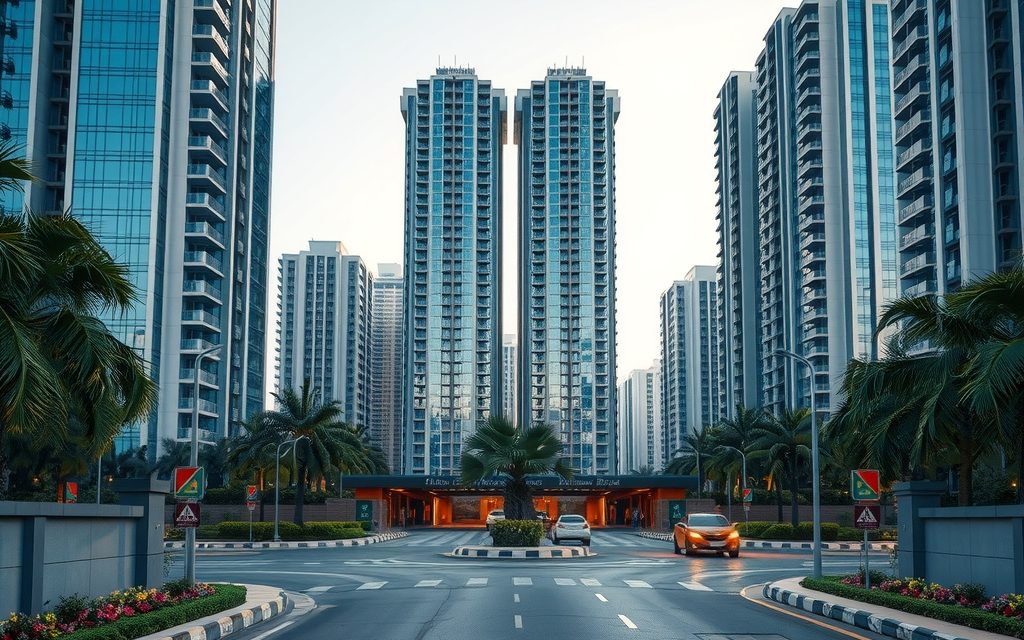
Tarnaka pairs Osmania University's green campus with a Blue Line station and a short ride to Secunderabad. Older colony flats and new redevelopment buildings attract academics, railway families and steady student tenants.
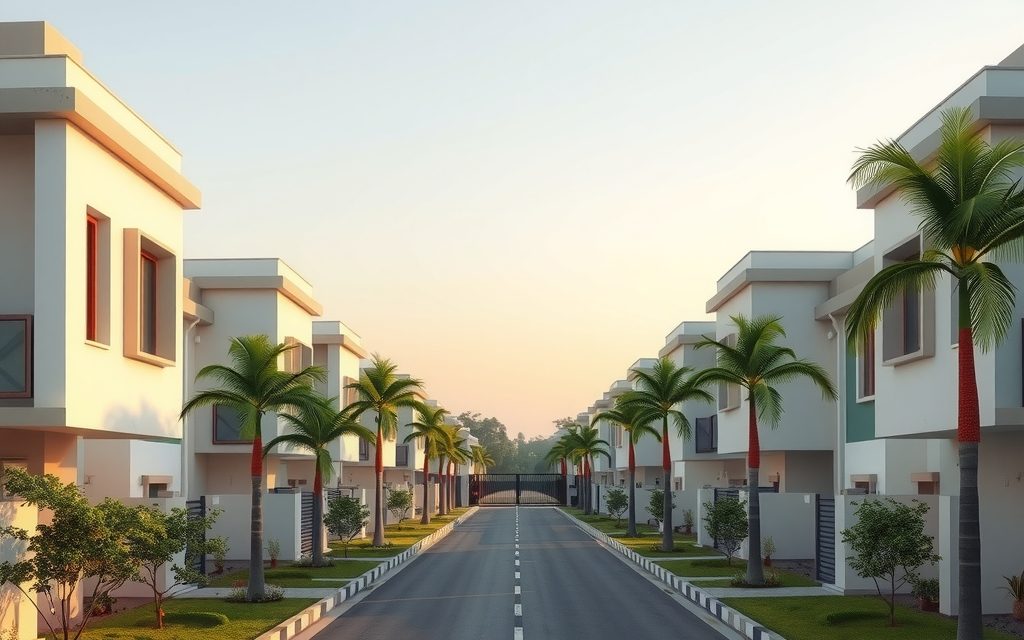
Habsiguda's villa market is independent houses on 150–300 sq yd in a quiet grid behind the research campuses, plus modern rebuilds with rental floors. See indicative prices, the Uppal IT link, rebuild economics and NRI rules.
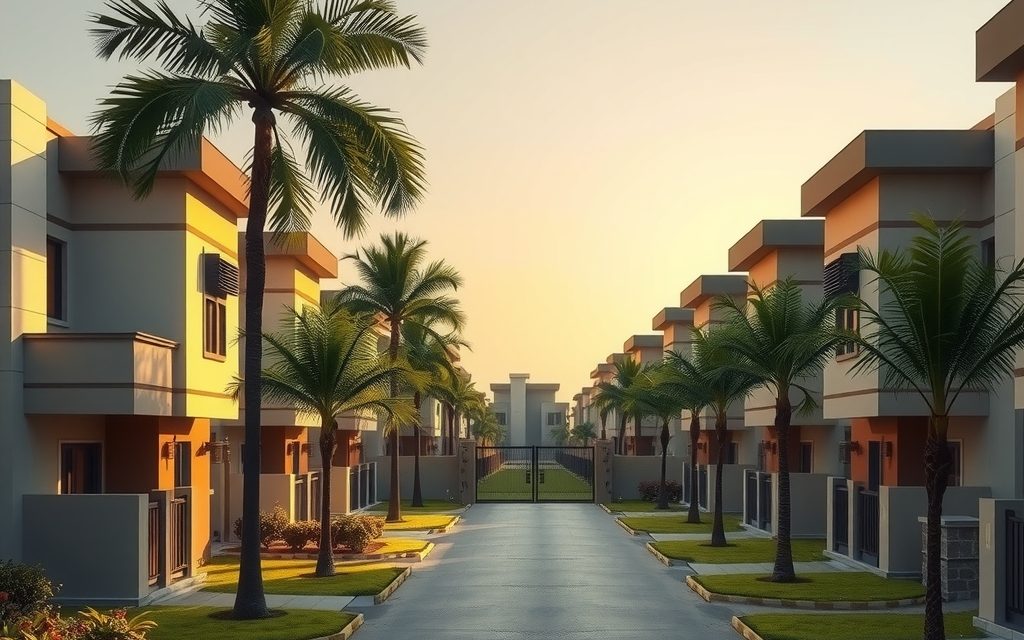
Secunderabad's villa market is independent houses and old bungalows in Marredpally, West Marredpally and Bowenpally. See October 2026 prices and how GHMC, Cantonment Board and old-grant defence land change what you are buying.
Malkajgiri's villa market is independent houses in dense older colonies around the railway junction, Anandbagh and Safilguda lake, with small gated rows on the Moula Ali fringe. See indicative prices, commute realities, lake and title checks, and NRI rules.
Habsiguda is a calm, green metro neighbourhood shaped by Osmania University and the CCMB, IICT and NGRI campuses. Older colony flats sit beside new towers toward Nacharam. Here is what each costs and what to check.
A sale deed is only as good as the deeds behind it. Why lawyers trace at least 30 years to a root of title, how partitions, GPA sales, wills and decrees fit in, and what a title opinion actually checks.

Which Hyderabad micro-markets suit NRIs, what each budget buys, new versus resale, RERA and OC checks, GST, TDS for resident and NRI sellers, rental yields, management and repatriation of sale proceeds.
Independent duplexes, row villas and gated communities in Adibatla near TCS, the Aerospace SEZ and the Bongloor ORR exit, with indicative prices, build-versus-buy maths, HMDA approval checks and rental yields.