New Apartments in Tarnaka, Hyderabad
Tarnaka pairs Osmania University's green campus with a Blue Line station and a short ride to Secunderabad. Older colony flats and new redevelopment buildings attract academics, railway families and steady student tenants.
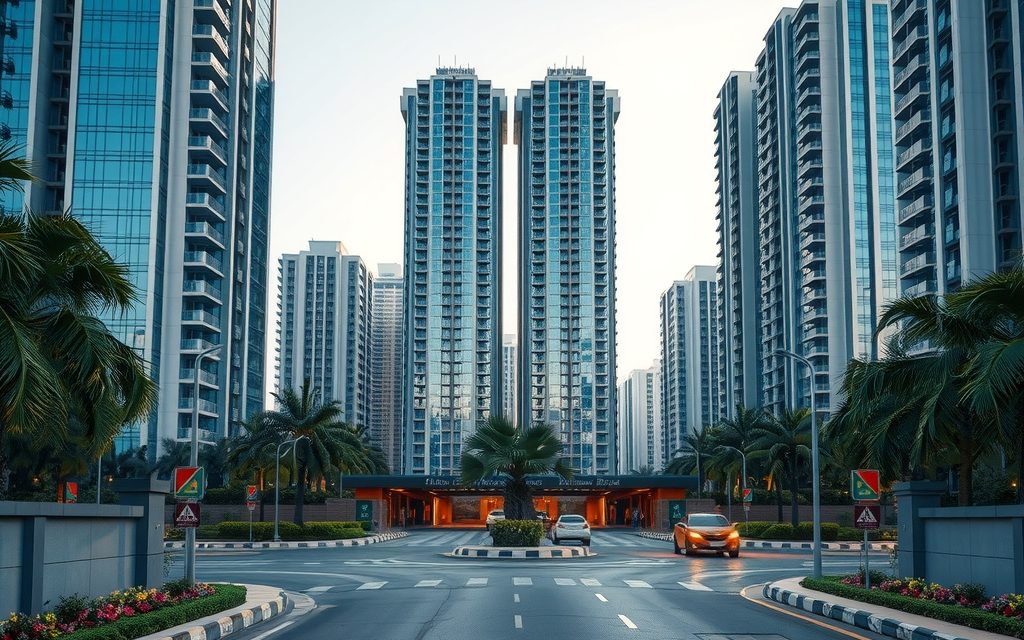
- Tarnaka metro on the Blue Line; Secunderabad East typically 4 to 6 minutes, HITEC City 35 to 45 minutes
- Osmania University, NIN and IICT keep large green campuses and steady rental demand
- New redevelopment flats indicatively ₹7,200 to ₹9,000 per sq ft in interior colonies
- Railway families anchored by Lalaguda's railway hospital and colonies; Secunderabad station about 5 km
- GHMC limits; colonies split between Hyderabad and Medchal-Malkajgiri districts
| What | Indicative range | Note |
|---|---|---|
| New mid-rise or boutique building, main road, Vijayapuri and Mettuguda edge | ₹8,500 – ₹11,000 per sq ft | indicative, Oct 2026 |
| New standalone G+4/G+5, interior colonies and Lalapet side | ₹7,200 – ₹9,000 per sq ft | indicative, Oct 2026 |
| Resale, 10–20 years old, with lift and OC | ₹6,000 – ₹7,500 per sq ft | indicative, Oct 2026 |
| Resale, 20–35 years old, older colonies and campus edge | ₹5,000 – ₹6,300 per sq ft | indicative, Oct 2026 |
| 2 BHK rent, newer building with lift and parking | ₹21,000 – ₹28,000 per month | indicative, Oct 2026 |
Ranges reflect recent transactions and advisor observation as of 2026-10. Always verify against the sub-registrar market value and the specific parcel.
Tarnaka is one of those Hyderabad neighbourhoods where the institutions came first and the houses followed. Osmania University's sprawling campus lies to the west, the National Institute of Nutrition and the Indian Institute of Chemical Technology line the road east, and the South Central Railway's colonies and hospital at Lalaguda sit just to the north. Apartments in Tarnaka grew up around these anchors, and the result is a calm, educated, well-treed residential district with a metro station, quick access to Secunderabad and a rental market that rarely goes quiet. This guide covers the pockets, the mix of older and newer buildings, indicative prices as of October 2026, the university-land and building checks we run, and how NRR Estates helps buyers who want to live or invest here.
Tarnaka sits on the Blue Line between Habsiguda and Mettuguda stations, about 5 km east of Secunderabad railway station and roughly 22 km from HITEC City. It lies within GHMC limits, and its colonies fall partly in Hyderabad district and partly in Medchal-Malkajgiri district depending on the side of the main road and the original revenue village. We confirm the mandal and the jurisdictional sub-registrar office for each property from its documents.
Why apartments in Tarnaka hold their appeal
Tarnaka has never been a launchpad for flashy projects, and its buyers rarely want one. What they value is a set of qualities that are surprisingly hard to find together in Hyderabad.
- A metro station on the main road, with Secunderabad East about two stops west and Uppal a few stops east.
- Green surroundings thanks to the university and institute campuses, which keep large areas open and tree-covered.
- A dependable tenant base of students, research scholars, faculty, doctors, railway staff and young professionals.
- Proximity to Secunderabad for rail travel, the cantonment's hospitals and markets, and central business districts.
- Prices below Secunderabad's civil pockets and far below the western IT corridor for comparable space.
The main trade-offs are the commute to HITEC City and the Financial District, an older housing stock in many colonies and limited room for large new gated communities.
The university effect: Osmania, NIN and IICT
Osmania University, founded in 1918, is the defining presence. The Arts College building and the wide campus roads are among the city's most recognisable landmarks, and the university's departments, hostels and affiliated institutions bring a constant flow of students and staff. On the east side of Tarnaka, the National Institute of Nutrition and the Indian Institute of Chemical Technology add scientists, technicians and visiting researchers.
For a flat buyer, this shapes three things. First, rental demand for 1 and 2 BHK flats close to the campus gates and the metro is steady through the year, peaking around admission seasons. Second, the community skews educated and long-staying, which keeps many colonies orderly. Third, the open campuses act as green lungs; a flat with a view toward campus greenery commands a premium that rarely appears in price tables but shows up in resale speed.
Railway Tarnaka: Lalaguda, Mettuguda and the SCR connection
North of the main road, the South Central Railway's presence is strong. The railway's central hospital and workshops at Lalaguda, railway colonies around Mettuguda and Lalapet, and the Railway Degree College have made Tarnaka a natural home for railway families for generations. Many retired railway employees bought flats in Tarnaka to stay close to the hospital and their old colleagues, and their children, some now NRIs, are frequent buyers and sellers in the resale market.
The railway link also explains the appeal to rail commuters: Secunderabad station is typically 15 to 25 minutes by road, and the metro to Secunderabad East is a few minutes. For buyers who travel frequently by train, few neighbourhoods are as convenient.
Pockets of Tarnaka and what they offer
The main road and the metro stretch
The road from the Osmania side through Tarnaka junction toward Habsiguda is lined with shops, clinics, banks and eateries, with the metro viaduct overhead. Flats here are the most convenient for commuters and the busiest. Buildings one or two lanes back offer a quieter life with almost the same access.
Vijayapuri, Kimtee Colony and the established interior
The interior colonies south of the main road are among Tarnaka's most sought after: tree-lined streets, a mix of independent houses and four- or five-storey apartment buildings, and residents who have lived there for decades. Redevelopment of older houses into new G+4 and G+5 buildings is steady, and these new flats carry the area's strongest per-square-foot prices outside the main road.
Manikeshwari Nagar and the Osmania edge
Closer to the university, colonies along the campus edge have strong student and faculty rental demand. Buildings are older on average, and some have been extended to add more small units. Good for investors; families should check parking, noise and the building's use carefully.
Lalapet, Lalaguda and the railway side
North of the main road, the railway colonies and surrounding private colonies offer more affordable flats, often in older buildings, with easy access to the railway hospital and Secunderabad. This side links naturally with Malkajgiri; see our guide to apartments in Malkajgiri for that market.
Mettuguda and the Secunderabad end
West toward Mettuguda station, Tarnaka blends into Secunderabad's eastern colonies. Prices here track somewhat closer to Secunderabad's, reflecting the shorter trip to the station and the cantonment. Our page on apartments in Secunderabad covers the twin city's core.
Toward Habsiguda
East of Tarnaka junction, past NIN and IICT, the market merges into Habsiguda's research-institute belt, with a mix of older colony stock and some newer towers. Read our guide to apartments in Habsiguda for the next stretch along the Blue Line.
Indicative apartment prices in Tarnaka, October 2026
These ranges come from recent transactions and advisor observation. In Tarnaka, distance from the metro, the specific colony and the building's age and compliance drive most of the variation.
| Segment | Indicative price per sq ft | Typical ticket size |
|---|---|---|
| New mid-rise or boutique building, main road, Vijayapuri and Mettuguda edge | ₹8,500 – ₹11,000 | 2 BHK ₹1 Cr – ₹1.4 Cr; 3 BHK ₹1.4 Cr – ₹2 Cr |
| New standalone G+4/G+5, interior colonies and Lalapet side | ₹7,200 – ₹9,000 | 2 BHK ₹82 L – ₹1.15 Cr |
| Resale, 10–20 years old, with lift and OC | ₹6,000 – ₹7,500 | 2 BHK ₹62 L – ₹88 L |
| Resale, 20–35 years old, older colonies and campus edge | ₹5,000 – ₹6,300 | 2 BHK ₹50 L – ₹70 L |
Indicative rents, as of October 2026:
| Configuration | Indicative monthly rent |
|---|---|
| 1 BHK, older building near campus or metro | ₹10,000 – ₹16,000 |
| 2 BHK, older building | ₹16,000 – ₹23,000 |
| 2 BHK, newer building with lift and parking | ₹21,000 – ₹28,000 |
| 3 BHK, newer building | ₹28,000 – ₹42,000 |
Metro, roads and the commute question
Tarnaka's metro station sits on the main road, and the Blue Line makes the following typical journeys possible outside the worst crowding:
| From Tarnaka station to | Approximate metro time |
|---|---|
| Secunderabad East | 4 – 6 minutes |
| Parade Ground (Green Line interchange) | 7 – 9 minutes |
| Ameerpet (Red Line interchange) | 18 – 24 minutes |
| HITEC City | 35 – 45 minutes |
| Uppal | 8 – 10 minutes |
By road, Secunderabad and Begumpet are typically 15 to 30 minutes away, Uppal junction and the Warangal highway 15 to 25 minutes, and HITEC City 50 to 80 minutes at peak hours. The airport is a long drive, typically 60 to 90 minutes via the city or the ORR. For daily commuters to the western IT corridor, the metro is the realistic option, and Tarnaka is one of the few eastern neighbourhoods where that commute is direct without changing lines.
Schools, hospitals and daily life
- Healthcare: the railway's central hospital at Lalaguda serves railway families, and private hospitals and diagnostic centres operate along the Tarnaka–Habsiguda road; larger tertiary hospitals in Secunderabad are a short drive.
- Education: the university and its colleges sit next door, and several long-established schools across state and central boards serve the colonies; families usually shortlist by board and distance.
- Shopping and food: the main road covers daily needs, with Secunderabad's markets and malls a short ride away.
- Walking and green space: campus roads and nearby parks make Tarnaka unusually pleasant for morning walks by Hyderabad standards.
Water, power and the monsoon in Tarnaka
Tarnaka is on the municipal water network, and supply in the established colonies is generally reliable by city standards, though pressure on upper floors and summer shortfalls still push many buildings to borewells and occasional tankers. Ask the association for twelve months of tanker bills and check the sump and overhead tank capacity against the number of flats. Power supply is stable, but a generator for lifts and common areas is worth confirming in any building with a lift. In heavy monsoon spells, a handful of low-lying lanes on the railway side and near older drains collect water briefly; a raised stilt floor and a clear storm drain outside the gate are simple signs of a building that handles rain well.
Renting to students and scholars: an investor's view
Many Tarnaka buyers invest with student and scholar tenants in mind. It can work well if you set it up properly.
- Configuration: 1 and 2 BHK flats within a 10-minute walk of the metro or a campus gate let fastest.
- Lease structure: shared tenancies by groups of students are common; a single lease with all occupants named, a clear deposit and a police-verification step protects you.
- Association rules: some associations restrict bachelor tenants or paying-guest operations. Read the bye-laws and recent minutes before buying.
- Seasonality: demand peaks around academic sessions; vacancies in between can be longer than for family tenants.
- Wear and tear: budget a little more for repainting and repairs than you would for a family let.
Research scholars and faculty, by contrast, tend to stay longer and behave much like family tenants, and they often prefer the quieter interior colonies.
University land and the boundaries question
Osmania University's land is government land, and there has been public concern over the years about encroachments on university property. Most private colonies in Tarnaka have clear titles going back decades, but properties close to the campus edge deserve an extra look. A lawyer should trace the 30-year link documents to a clear private origin, check the survey number against the Section 22-A prohibited-properties list, and confirm that the building's boundaries on the ground match the documents. The same applies near institutional campuses and railway land on the north side.
RERA and legal checklist for Tarnaka flats
| Check | What we look for in Tarnaka |
|---|---|
| TS RERA registration | Required for projects on land above 500 sq m or with more than eight units; many small redevelopments are below this |
| GHMC building permission | Floors, setbacks and unit count match the building |
| Occupancy certificate | Present for newer buildings; often absent in older ones |
| Title chain and EC | 30 years, no gaps, no subsisting mortgage |
| Government, university or railway land | Survey number clear of prohibited lists and institutional holdings |
| Development agreement | All landowners and heirs have signed; flat lies in the seller's share |
| UDS and parking | Proportionate UDS; allotted parking recorded |
| Association records | No-dues, sinking fund, pending repairs, tenant rules |
Older buildings in Tarnaka often lack occupancy certificates or carry minor deviations. Our guide to OCs, UDS and car parking in Hyderabad explains how to weigh these issues. RERA registrations can be verified on the official Telangana RERA portal.
Redevelopment in Tarnaka's interior colonies
Much of the new supply in Tarnaka comes from families redeveloping independent houses built in the 1970s and 1980s. A typical deal turns a 300 to 600 sq yd plot into a G+4 or G+5 building of eight to fifteen flats, with the landowner keeping a share. For buyers, these buildings offer new construction in mature colonies, which is otherwise scarce. The checks are specific:
- The development agreement and GPA must be registered and signed by every co-owner and legal heir.
- The flat you buy must sit in the seller's share under that agreement.
- The GHMC permission must cover the floors actually built; stilt-plus-five buildings on narrow roads need particular attention to setbacks and fire-access rules.
- Small projects may not need RERA registration, so ask for a clear construction schedule, a defined specification sheet and a penalty clause for delay in the agreement itself.
Done carefully, a flat in a redevelopment building on a quiet Tarnaka street is one of the better long-term holds on the eastern side of the city.
Inspecting an older Tarnaka flat
A large share of Tarnaka resale is in buildings 20 to 35 years old. Many are well built and lovingly maintained by long-term owners; some are tired. Before paying an advance, we ask an engineer to look at the frame for cracks and exposed reinforcement, the top floor and bathrooms for seepage, the plumbing and sump, the electrical system and, where present, the lift's maintenance records. Ask the association about recent painting, waterproofing and any planned special levy. Where an old building lacks a lift, think honestly about who will live there in ten years' time; flats on the third floor of a walk-up become harder to sell as the buyer pool ages.
Five questions to settle before you shortlist
- Live or let? Families should favour the interior colonies and newer buildings with lifts; student-rental investors should stay within a short walk of the metro or a campus gate.
- Which side of the main road? The south side's interior colonies are quieter and pricier; the railway side to the north is more affordable and closer to Lalaguda.
- How old is too old? Decide your limit in advance. Beyond 25 to 30 years, loan eligibility, maintenance costs and resale speed all become harder.
- How many cars? Older buildings rarely offer two covered slots per flat. If you need two, filter for that first.
- How far will you commute? If anyone in the household works in the Financial District, ride the metro and the last-mile leg at peak time before you decide.
Payment plans, home loans and charges
New buildings in Tarnaka are mostly built by small and mid-sized developers, often on a construction-linked plan. Resale follows a token, agreement and registration sequence, usually over four to eight weeks depending on the buyer's loan.
| Charge | Approximate rate, October 2026 |
|---|---|
| Stamp duty | ~5.5% |
| Transfer duty | ~1.5% |
| Registration fee | ~0.5% (total about 7.5% of the higher of market value and price) |
| GST on under-construction flats | 5% for most; 1% for qualifying affordable units |
| TDS, Section 194-IA | 1% where price exceeds ₹50 lakh and seller is resident |
We verify current rates at the SRO on the day; market values and slot booking are available on the Telangana registration portal. Banks lend up to 75 to 90 percent of value depending on loan size, subject to their legal and technical clearance, which can be stricter for old buildings without an OC.
Rental yield and appreciation outlook
Indicative gross yields as of October 2026 are around 3.5% to 4.6% for older 1 and 2 BHK flats near the campus or metro, and around 2.8% to 3.5% for newer flats. Appreciation has been steady rather than spectacular. Tarnaka is fully developed, so new supply comes mainly from redevelopment, which keeps prices supported. The metro and the area's institutional character give a floor to demand. The biggest variable is the building: well-maintained buildings with an OC and lift sell quickly, while tired, lift-less buildings move slowly.
Tarnaka against its neighbours
| Locality | Character | Relative price | Good for |
|---|---|---|---|
| Tarnaka | University, metro, railway families | Moderate | Academics, rail commuters, student-rental investors |
| Habsiguda | Research institutes, quieter grid | Similar | Scientists and families wanting calm |
| Secunderabad | Twin-city core, cantonment | Higher in civil areas | Central living, station access |
| Malkajgiri | Dense railway suburb, MMTS | Lower | Budget buyers wanting resale value |
| Uppal | Junction, newer gated towers | Lower for new stock | Buyers wanting amenities and highway access |
A common Tarnaka brief: the railway family's upgrade
We regularly meet families where a parent retired from the railways, has lived in Tarnaka or Lalaguda for thirty years, and now finds the stairs of an older building difficult. Their children, often working abroad or in the western IT corridor, want them in a newer flat with a lift, close to the railway hospital, the temple or church they attend and the neighbours they know. The answer is rarely a new tower on the city's edge. It is usually a five- to ten-year-old building with a lift and an OC within a kilometre of the old home, or a redevelopment flat in the same colony. We plan the sale of the old flat and the purchase of the new one together so the move happens once and the funds line up, and for NRI children we handle the paperwork remotely with a POA.
NRI buying guide for Tarnaka
Many NRIs studied at Osmania or grew up in Tarnaka's railway and academic families. NRIs and OCIs can buy residential flats freely; FEMA's restrictions cover agricultural land, plantations and farmhouses, not apartments.
- Pay through inward remittance or NRE, NRO or FCNR accounts.
- Use a specific power of attorney executed abroad, attested and adjudicated in Telangana.
- Insist on title, land-status and compliance checks before any substantial advance.
- For rentals, arrange a local manager or a formal arrangement with family.
- On resale, the buyer deducts TDS under Section 195 at capital-gains rates plus surcharge and cess; consult a CA about a lower-deduction certificate.
Our NRI guide to buying villas and apartments in Hyderabad covers documentation and funds in detail.
Who Tarnaka suits
Tarnaka works well for faculty, researchers and staff of the institutions; railway families; Secunderabad workers; parents of NRIs who want a metro, hospitals and walkable streets; and investors seeking steady student and scholar tenants. It suits less well daily drivers to the Financial District, buyers who want a large gated community with a pool, and those unwilling to check older buildings carefully. For independent houses in the area, see our page on villas in Tarnaka.
How NRR Estates helps Tarnaka buyers
Our advisory fee is disclosed before you commit. In Tarnaka we:
- Match your budget, commute and purpose to the right colony and building type.
- Check land status near university, institutional and railway land.
- Have a lawyer verify title, encumbrances and Section 22-A status.
- Confirm GHMC sanction, OC, RERA where applicable, UDS and parking.
- Commission engineer inspections for older flats.
- Benchmark price against recent deals in the colony and negotiate.
- Coordinate the bank, registration at the SRO and mutation of property tax and utilities.
- Support NRIs remotely with video walkthroughs and POA guidance.
Share your budget and whether you are buying to live or to rent, and we will shortlist Tarnaka flats that have passed our checks.
Tarnaka apartments: questions we hear often
What is the price per sq ft for apartments in Tarnaka?
As of October 2026, new mid-rise and boutique buildings on the main road and in the Vijayapuri and Mettuguda edge indicatively sell at ₹8,500 to ₹11,000 per sq ft. New standalone G+4 and G+5 buildings in the interior colonies and toward Lalapet are typically ₹7,200 to ₹9,000. Resale flats 10 to 20 years old with a lift and OC trade around ₹6,000 to ₹7,500, and older flats near the campus edge around ₹5,000 to ₹6,300. These reflect recent transactions and advisor observation.
Is Tarnaka good for rental investment near Osmania University?
Yes, for the right flat. Students, research scholars, faculty, doctors and railway staff create steady demand, especially for 1 and 2 BHK flats within walking distance of the metro or a campus gate. Older flats commonly yield around 3.5% to 4.6% gross and newer ones around 2.8% to 3.5%. Student lets bring seasonal vacancies and more wear, while scholars and faculty tend to stay longer. Check association rules on bachelor tenants or paying guests before you buy with student income in mind.
How long does it take to reach HITEC City from Tarnaka?
Tarnaka station is on the Blue Line, which runs directly to HITEC City without a change. The metro ride is typically 35 to 45 minutes, plus the walk or short ride at each end. By car, the trip often takes 50 to 80 minutes at peak hours through Secunderabad and Begumpet. Secunderabad East is only four to six minutes away by metro, and Ameerpet around 18 to 24 minutes, so households with jobs in the central and eastern city have much easier commutes.
Which district and SRO does Tarnaka fall under?
Tarnaka is within GHMC limits, but its colonies are split between Hyderabad district and Medchal-Malkajgiri district depending on the side of the main road and the original revenue village. That affects which sub-registrar office registers the sale. Rather than assume, we confirm the mandal and jurisdictional SRO from the link documents and the previous registered deed of each property. Registration charges are the same across both districts, roughly 7.5% of the higher of market value and the agreed price, which we verify on the day.
Do I need to worry about university land when buying in Tarnaka?
Most private colonies in Tarnaka have clear titles going back decades, but Osmania University's land is government land and encroachment concerns have been raised publicly over the years. For a property close to the campus edge, or near institutional or railway land, a lawyer should trace the 30-year title to a clear private origin, check the survey number against the Section 22-A prohibited list and confirm that boundaries on the ground match the documents. It is a routine check that avoids rare but serious problems.
What registration charges apply to a Tarnaka flat?
Telangana charges are approximately 5.5% stamp duty, 1.5% transfer duty and 0.5% registration fee, about 7.5% in total on the higher of market value and the agreed price. Under-construction flats also attract GST, usually 5%; completed flats with an OC and resale flats do not. The buyer deducts 1% TDS under Section 194-IA where the price exceeds ₹50 lakh and the seller is resident. Registration takes place at the jurisdictional SRO, and we verify current rates and market values before the slot.
Are older Tarnaka buildings safe to buy?
Many 20- to 35-year-old buildings in Tarnaka are well built and carefully maintained by long-term owners, but quality varies. Before paying an advance, have an engineer check the frame for cracks and exposed reinforcement, seepage on the top floor and in bathrooms, plumbing, wiring and any lift. Ask the association about recent waterproofing, painting and planned levies, and confirm the OC or regularisation status. Lift-less upper-floor flats also become harder to resell over time, which should be reflected in the price you pay.
Can NRIs buy apartments in Tarnaka?
Yes. NRIs and OCIs can buy residential apartments in Tarnaka freely, using inward remittance or NRE, NRO or FCNR funds, and can register through a specific power of attorney attested abroad and adjudicated in Telangana. Many NRI buyers have family ties to the university or the railways here and buy for parents. Insist on title, land-status and compliance checks before paying. When you later sell, the buyer must deduct TDS under Section 195 at capital-gains rates, so consult a CA in advance.
Related guides
Habsiguda is a calm, green metro neighbourhood shaped by Osmania University and the CCMB, IICT and NGRI campuses. Older colony flats sit beside new towers toward Nacharam. Here is what each costs and what to check.
Secunderabad is a resale-led flat market where land status matters as much as the building: GHMC, cantonment, old grant or railway. Here is what each pocket costs and what to check first.
Malkajgiri is a dense railway suburb north-east of Secunderabad where resale 2 BHKs remain among the most affordable inside GHMC. Older blocks dominate, so building checks and bank eligibility matter.
Uppal pairs Blue Line metro stations with the Warangal highway, Genpact and a short drive to Infosys Pocharam, at east-side prices. Pockets, per sq ft bands, rents and the Musi and lake checks that matter here.
Tarnaka's villa market is independent houses on the Osmania University edge, railway-side rebuilds with rental floors and rare old bungalows. See indicative prices, rental demand from students and families, title checks and how it compares with Habsiguda.
Nacharam is an industrial estate turning residential, with new gated towers near Habsiguda and budget flats in Mallapur. Prices undercut Tarnaka and Habsiguda, but the building's neighbours and land history need checking.

Which Hyderabad micro-markets suit NRIs, what each budget buys, new versus resale, RERA and OC checks, GST, TDS for resident and NRI sellers, rental yields, management and repatriation of sale proceeds.
Adibatla's new towers put affordable gated flats minutes from TCS, the aerospace SEZ and the Bongloor ORR exit. Pockets, indicative rates, rents, how to vet newer builders and how much Future City to price in.