Open Plots in Armoor, Nizamabad
Armoor is a turmeric and Gulf-remittance town at the NH-44 and NH-63 junction in Nizamabad district. DTCP layouts, indicative per sq yd bands and a step-by-step process for buying a plot from abroad.

- About 160 km from the Medchal ORR exit on NH-44, roughly three hours; Nizamabad city about 25 km away
- Outside the NUDA area: layouts are DTCP approved, with Armoor municipality issuing building permission in town
- Town-fringe DTCP plots typically ₹8,000–₹15,000 per sq yd as of October 2026
- Common sizes 150, 167, 200 and 240 sq yd; soils range from firm red loam to black cotton
- Three decades of Gulf remittances underpin demand; many buyers and sellers are NRIs
| What | Indicative range | Note |
|---|---|---|
| Established town colonies (resale) | ₹18,000 – ₹35,000 per sq yd | indicative, Oct 2026 |
| DTCP layouts on the town fringe, within ~4 km | ₹8,000 – ₹15,000 per sq yd | indicative, Oct 2026 |
| NH-44 and NH-63 frontage near town | ₹15,000 – ₹30,000 per sq yd | indicative, Oct 2026 |
| DTCP layouts toward Perkit and Mamidipally | ₹7,000 – ₹13,000 per sq yd | indicative, Oct 2026 |
| Outer villages, approved ventures | ₹4,000 – ₹8,000 per sq yd | indicative, Oct 2026 |
| GP / unapproved ventures | ₹2,500 – ₹5,000 per sq yd | indicative, Oct 2026; LRS risk |
Ranges reflect recent transactions and advisor observation as of 2026-10. Always verify against the sub-registrar market value and the specific parcel.
Drive into Armoor on NH-44 and the town announces its economy before you reach the bus stand: two- and three-storey houses with fresh paint and wide balconies, many of them built with wages earned in Dubai, Muscat, Riyadh or Doha. Armoor, in the north of Nizamabad district, is a turmeric and red-jowar market town sitting where NH-44 meets NH-63, below the granite boulders of the Armoor rocks. It is also one of the oldest Gulf-migration towns in Telangana, and that single fact explains most of what happens in its plot market. Anyone looking at open plots in Armoor is, directly or indirectly, buying into a market built on remittances, family plans to "come back and build", and a steady appetite for a house plot near home. This guide sets out the approvals that apply (DTCP layouts and municipal sub-divisions, with gram panchayat ventures as the caution case), indicative per square yard bands as of October 2026, a practical process for buying from abroad, and how registration works at the Armoor sub-registrar office.
All prices are indicative ranges from recent transactions and advisor observation in October 2026. Armoor prices can feel high for a town of its size; that is the remittance premium, and we explain it below.
Why Armoor punches above its size for plots
On population alone, Armoor is a mid-sized municipal town. On plot prices, it often behaves like something larger. Four reasons stand out.
Three decades of Gulf earnings. The Armoor, Balkonda, Bheemgal, Jakranpally and Mortad belt has sent workers to the Gulf for more than thirty years. Those workers send money home, and a plot in or near Armoor town is the most common first big purchase. Families buy for a future house, to set something aside for a daughter's marriage, or to keep savings in something they can see.
The highway junction. NH-44 runs north-south past the town, linking it to Hyderabad and Nagpur, while NH-63 branches east toward Jagtial and Mancherial and west toward Nizamabad. That makes Armoor a natural trading and transport stop, and highway frontage here has real commercial value.
A rich farm hinterland. Turmeric, red jowar, maize and seed crops on mixed red loam and black cotton soils, with borewells, Godavari-side lift schemes and Sriram Sagar canals feeding parts of the area, give farming families surplus in good years. Some of that surplus becomes town plots.
A constrained core. The rocky ridge that gives Armoor its landmark also limits which way the town can grow. Expansion runs along NH-44, NH-63 and the roads toward Perkit and Mamidipally, and land close to these spines is in short supply.
Armoor plot prices: the headline numbers
- Established town colonies (resale): ₹18,000 to ₹35,000 per sq yd.
- DTCP layouts on the town fringe, within about 4 km: typically ₹8,000 to ₹15,000 per sq yd.
- NH-44 and NH-63 frontage: ₹15,000 to ₹30,000 per sq yd, priced for commercial use.
- Layouts toward Perkit and Mamidipally: roughly ₹7,000 to ₹13,000 per sq yd.
- Outer villages, approved ventures: about ₹4,000 to ₹8,000 per sq yd.
- Gram panchayat and unapproved ventures: ₹2,500 to ₹5,000 per sq yd.
Roads, distances and where Armoor is heading
From Hyderabad
Leave the ORR at Medchal and take NH-44 north through Toopran, Ramayampet, Kamareddy and Dichpally. Armoor is about 160 km from the Medchal exit, typically around three hours. For a family based in Hyderabad with roots in Armoor, that makes a day trip possible but not casual.
To Nizamabad and Jagtial
Nizamabad city lies about 25 km to the south-west, and its own Armoor road is one of the city's busiest layout corridors. To the east, NH-63 runs to Jagtial and beyond toward Mancherial. Buyers comparing the city with the town should read our guide to open plots in Nizamabad; those drawn eastward can compare open plots in Jagtial.
Perkit and the NH-44 strip
Perkit, on the highway just outside Armoor, has effectively become part of the town's growth zone. Layouts here benefit from highway access and proximity to the town, and the strip between Armoor and Perkit is where many newer ventures sit.
Sriram Sagar and the northern villages
North toward Balkonda, Mendora and the Sriram Sagar Project at Pochampad, the landscape becomes canal country. These villages supply much of Armoor's buyer base, and some of their own roads now carry small approved ventures.
What we do not count on
From time to time there is talk of new industrial or logistics hubs along NH-44 in the district. Until a project is notified and land is acquired, we do not price it into an Armoor plot. The town's market stands on remittances and farming; that is enough.
How the remittance economy shapes Armoor's plot market
Understanding the Gulf cycle is the most useful thing an Armoor buyer can do.
- Demand follows Gulf hiring. When construction, oil-and-gas services and retail in the Gulf are hiring and wages are steady, plot enquiries rise. When projects stall or visas tighten, demand eases within a season.
- Buying is seasonal. Many workers come home on annual leave, often around festivals and the wedding season. Registrations bunch up in those windows, and sellers know it. Off-season buyers can often negotiate better.
- Decisions are family decisions. The person paying is abroad; the person visiting the plot is a parent, spouse or brother at home. That split creates room for mistakes, and occasionally for fraud.
- Houses get built in stages. A plot is bought, a foundation laid on the next leave, walls the year after. Layouts in Armoor often show houses at every stage of completion, which is a good sign of genuine end use.
The effect on prices is a persistent premium over farm-income towns of similar size, such as Bodhan on the Nizam Sagar canals. The premium is sustained by real money, not speculation, but it does make Armoor sensitive to global events that have nothing to do with Telangana.
Approvals in Armoor: DTCP, the municipality and LRS
Armoor lies outside the Nizamabad Urban Development Authority's area, which is centred on Nizamabad city. Layouts around Armoor are approved by the Directorate of Town and Country Planning (DTCP), and Armoor municipality handles building permission within its limits. Planning boundaries change occasionally, so confirm the issuing authority on every file.
DTCP layouts
A DTCP layout permission certifies land use, road widths, open space and plot sizes, and requires the developer to mortgage a share of plots until roads and drains are complete. You need the LP number, the approved drawing and a release order covering your plot.
Municipal plots and sub-divisions
Within town limits, plots often come from family holdings divided over decades. An approved sub-division with clean title and a property tax assessment is fine. Informal divisions need regularisation before building permission.
Gram panchayat ventures
Gram panchayats cannot approve layouts in Telangana. "GP layouts" around Armoor are unapproved sub-divisions, often on land never converted from agriculture. Building and lending then depend on the Layout Regularisation Scheme, which is not available for government, assigned, ceiling-surplus or tank full tank level land. Gulf buyers are a frequent target for these ventures because the price looks attractive from abroad and the family at home may not know what to check.
RERA
New layouts above 500 sq m or with more than eight plots must be registered with Telangana RERA before marketing. Check the number on the TS RERA portal.
Indicative price bands for open plots in Armoor
The table below reflects recent transactions and advisor observation as of October 2026.
| Location and approval | Road width | Indicative price per sq yd | Notes |
|---|---|---|---|
| Established town colonies (resale) | 20–40 ft | ₹18,000 – ₹35,000 | Scarce; mostly older houses sold for land |
| DTCP layouts on the town fringe, within ~4 km | 30–40 ft | ₹8,000 – ₹15,000 | Main end-user band |
| NH-44 and NH-63 frontage near town | Highway / service road | ₹15,000 – ₹30,000 | Commercial use; check widening and access permissions |
| DTCP layouts toward Perkit and Mamidipally | 30–33 ft | ₹7,000 – ₹13,000 | Highway-side growth zone |
| Outer villages, approved ventures | 30 ft | ₹4,000 – ₹8,000 | Buyers mostly from the same villages |
| GP / unapproved ventures | 20–30 ft | ₹2,500 – ₹5,000 | LRS and loan risk |
To put the bands in rupees: a 200 sq yd plot in a DTCP layout on the town fringe usually lands between ₹16 lakh and ₹30 lakh before registration; the same size toward Perkit between ₹14 lakh and ₹26 lakh. Corner and east-facing plots command a premium.
Plot sizes and layout features
- 150 to 167 sq yd: popular with first-time Gulf buyers working to a fixed budget.
- 200 sq yd: the standard for a family house with parking.
- 240 to 300 sq yd: chosen by families planning a larger house with a rental floor, a common Armoor pattern.
- Highway-frontage commercial plots for shops, showrooms and godowns.
Look for 30 ft or wider internal roads, drains, electricity lines, a demarcated open space and corner stones. Soils vary: some layouts sit on firm red loam near the rocky ridge, others on black cotton soil on the lower side. The difference affects foundation cost, so have an engineer look before you finalise.
Buying an Armoor plot from the Gulf: a practical process
Most of our Armoor enquiries come from abroad. This is the sequence we recommend.
- Decide whose name the plot will be in. An NRI can own a residential plot in their own name. Joint ownership with a resident spouse or parent is common. Decide this before paying any advance, because it affects the sale deed, the funding trail and any future sale.
- Get the documents scanned before anyone pays a token. LP number, approved drawing, release order, NALA order, EC and link documents. If a seller will not share copies, walk away.
- Have the documents verified independently. Not by the seller's document writer. A lawyer reads the title chain back to the original pattadar, not just the last sale deed.
- See the plot properly. A live video walk of the layout, the plot's corner stones, the approach road and the neighbouring plots, ideally with the approved drawing in hand.
- Agree terms in writing. An agreement of sale stating price, plot number, size, payment schedule and what happens if documents fail verification.
- Pay through banking channels. From an NRE, NRO or FCNR account, or by inward remittance to the seller's account. Avoid cash and avoid routing money through friends' accounts.
- Register in person or through a registered power of attorney. If you cannot fly home, execute a POA before the Indian embassy or consulate, then have it adjudicated and registered in Telangana. Our page on NRI power of attorney for property registration covers the steps.
- Complete the follow-through. Property tax mutation, a certified copy of the registered deed and a fresh EC showing the transaction.
Legal checklist for an Armoor plot
- LP number and approved drawing from DTCP; plot number, dimensions and facing must match the ground.
- Release order confirming the plot is not mortgaged to the authority.
- NALA order converting the parent land to non-agricultural use.
- Encumbrance certificate for 30 years, from the Telangana registration portal, checked for mortgages and earlier sales of the same plot — double sale is the classic Gulf-buyer fraud.
- Link documents from the original pattadar to the present seller.
- Bhu Bharati history and old pahanis for the parent land, confirming patta status.
- Section 22-A prohibited properties check.
- Rock and hill land: near the Armoor rocks, confirm the parent land is private patta and not government hill or poramboke land.
- Tank buffers and canal land on the lower, canal-fed side of town.
- Highway acquisition: for NH-44 and NH-63 frontage, check widening and service-road notifications.
- Power of attorney chains: many Armoor sellers are themselves abroad. Any POA used to sell must be registered, current and not revoked.
Registration and charges
NALA-converted land, DTCP plots and houses register at the jurisdictional Sub-Registrar Office; the Armoor SRO covers the town area. We confirm the office from the survey number.
| Item | Approximate rate | Notes |
|---|---|---|
| Stamp duty | ~5.5% | On the higher of consideration or government market value |
| Transfer duty | ~1.5% | Same base; in gram panchayat areas there is no transfer duty, but a higher registration fee keeps the total similar |
| Registration fee | ~0.5% | Same base |
| Approximate total | ~7.5% | Verify current rates at the SRO on the day |
| TDS (Section 194-IA) | 1% above ₹50 lakh, resident seller | If the seller is an NRI, the buyer deducts TDS under Section 195 at higher rates |
The last row matters in Armoor more than elsewhere. Because many sellers are themselves Gulf NRIs, buyers must check the seller's residential status. If the seller is an NRI, the buyer is responsible for deducting tax under Section 195, which needs a TAN and is calculated on the capital gain rate plus surcharge and cess, unless the seller has a lower-deduction certificate. Take a chartered accountant's advice before paying.
From plot to house when you live abroad
Buying the plot is the easy half. Building on it from Dubai or Riyadh is where Armoor families most often lose money, and a little planning at the plot stage avoids most of it.
Permission first
Inside Armoor municipality, building permission runs through TG-bPASS, with quick approval routes for smaller residential plots on approved land. An approved DTCP plot with a release order sails through; an unregularised GP plot stalls here. Our guide to building permission under TG-bPASS explains the process, which a relative or engineer can handle on your behalf.
Stage the work around your leave
Most families build in phases: foundation and plinth on one visit, the frame and roof slab on the next, finishing over the following year. That is sensible for cash flow, but each pause exposes the site. Fence the plot, keep the corner stones visible, and photograph the site at every stage so that boundary disputes have no room to start.
Contracts and payments
Use a written contract with your builder or mason that sets out the scope, the rate per square foot or per item, the stage payments and who supplies materials. Pay against completed stages, verified by photographs and, ideally, by a site engineer you appoint rather than one the builder brings. Many of the horror stories we hear from Gulf families start with large advances paid on trust.
Soil and foundations
Get a basic soil test. Layouts close to the rocky ridge often have firm ground and shallow rock, which can mean blasting or chiselling for the sump. Layouts on the lower, black-soil side need deeper footings. Either way, the foundation design should follow the ground, not a standard drawing.
Investment outlook
Supports: deep, long-running remittance demand; a highway junction with commercial activity; a constrained town core; and a productive farm hinterland.
Risks: sensitivity to Gulf employment; a large stock of village ventures, some unapproved; seasonal buying that can make prices look firmer than they are; and title risks from absentee owners and POA chains.
Holding period: five to seven years for investment, with a preference for DTCP layouts on the town fringe and the Perkit side. For a family planning to build, choose a layout with houses already rising.
Armoor against its neighbours
Families in the belt often weigh Armoor against a handful of alternatives. Each has a different logic.
- Nizamabad city: larger, with NUDA-approved layouts, more hospitals and colleges and better resale liquidity, but higher prices for an equivalent location and a longer drive for families whose village is north of Armoor.
- Perkit and the highway villages: effectively Armoor's growth zone, cheaper per square yard, with highway access; the trade-off is a less settled neighbourhood for the next few years.
- Balkonda, Bheemgal and Mortad: home villages for many Gulf workers, with small ventures at lower prices. They suit families who want to live where they grew up, but resale is thin and approvals need extra care.
- Jagtial: a district headquarters to the east on NH-63 with its own Gulf diaspora and a deeper services base; worth comparing for families with ties on that side.
- Nirmal: to the north across the Godavari on NH-44, a separate district town with its own market. Our guide to open plots in Nirmal covers it.
For most Armoor families, the choice comes down to where the house will actually be lived in. A plot in the town you will retire to beats a cheaper one in a place you will only visit.
Who should buy in Armoor
Well suited:
- Gulf NRIs from the Armoor belt who want a converted residential plot near family.
- Local traders, professionals and government staff planning a house.
- Investors who want highway frontage for future commercial use, with full acquisition checks.
Less suited:
- Hyderabad buyers with no local connection looking for quick gains.
- Anyone tempted to buy a cheap GP plot from abroad without independent verification.
- Buyers who actually want farmland — see our page on agriculture land in Armoor, keeping in mind the NRI restrictions below.
The NRI rules, stated plainly
A person who leaves India for employment abroad, including on a Gulf work visa, is generally treated as a person resident outside India from the date of departure. That status brings FEMA rules into play.
- Allowed: buying residential and commercial plots, houses and flats. A NALA-converted plot in a DTCP layout in Armoor is a lawful NRI purchase.
- Not allowed: buying agricultural land, plantation property or a farmhouse, or receiving any of these as a gift. NRIs and OCIs can inherit them, and may sell inherited agricultural land only to a resident Indian.
- Funding: NRE, NRO or FCNR accounts or inward remittance; a PAN is required.
- Selling later: the buyer deducts TDS under Section 195; repatriation of sale proceeds has its own conditions. Our guide to repatriating property sale proceeds explains the basics, and a chartered accountant should advise on your case.
The trap we see most often in Armoor is a family buying "a plot" that is actually unconverted farmland, intending to put it in the NRI's name. That is not permitted, and fixing it later is expensive.
How NRR Estates helps Armoor buyers
We are advisors, with fees agreed in writing before you commit. For Armoor, much of our work is done for clients abroad:
- A call to understand budget, purpose, whose name the plot will be in and when you will next be home.
- A shortlist of approved layouts on the town fringe and the Perkit side, with video walkthroughs and photographs of roads, drains and stones.
- Independent verification of LP, release order, NALA order, EC, link documents, Bhu Bharati history, 22-A status and any POA, with our lawyer.
- Negotiation based on recent comparable sales.
- Coordination of the POA process if you cannot travel, and attendance at registration at the Armoor SRO.
- Mutation, a certified deed copy, a fresh EC and a scanned document file delivered to you abroad.
Open plots in Armoor: frequently asked questions
What do open plots in Armoor cost per square yard?
As of October 2026, DTCP-approved layouts on the Armoor town fringe typically sell for ₹8,000 to ₹15,000 per sq yd, and layouts toward Perkit and Mamidipally for ₹7,000 to ₹13,000. NH-44 and NH-63 frontage, priced for commercial use, runs ₹15,000 to ₹30,000. Approved ventures in outer villages sit around ₹4,000 to ₹8,000, and resale plots in established colonies ₹18,000 to ₹35,000. These are indicative ranges based on recent transactions and advisor observation.
Why are Armoor plot prices high for a town of its size?
Because of remittances. The Armoor belt has sent workers to the Gulf for more than three decades, and a plot near home is the most common first large purchase. That money supports prices above those of farm-income towns of similar size. The highway junction of NH-44 and NH-63, a productive turmeric and jowar hinterland and a town core hemmed in by the rocky ridge add to it. The flip side is sensitivity to Gulf hiring cycles.
Who approves layouts in Armoor?
Armoor lies outside the Nizamabad Urban Development Authority's area, which centres on Nizamabad city, so layouts around Armoor are approved by DTCP, the Directorate of Town and Country Planning. Armoor municipality handles building permission inside town limits. Gram panchayats cannot approve layouts. Because planning boundaries are revised from time to time, we confirm the issuing authority on every file by checking the LP number, approved drawing and release order against the plot.
Can I buy a plot in Armoor while working in the Gulf?
Yes. NRIs can buy residential and commercial plots in their own name or jointly with a resident family member. Get scanned copies of the LP, release order, NALA order, EC and link documents verified independently before paying any advance, see the plot on a live video walk, and pay through an NRE, NRO or FCNR account or inward remittance. If you cannot travel, execute a power of attorney at the Indian consulate, then have it adjudicated and registered in Telangana.
What frauds should Gulf buyers watch for in Armoor?
The most common are double sales of the same plot, plots in unapproved GP ventures sold as approved, unconverted farmland presented as a residential plot, and sales made through powers of attorney that are unregistered or revoked. A 30-year encumbrance certificate, independent verification of the LP and release order, a Bhu Bharati check on the parent land and confirmation that any POA is registered and current will catch most of these before money changes hands.
What if the seller of my Armoor plot is also an NRI?
Then the buyer must deduct tax at source under Section 195, not the 1 per cent under Section 194-IA that applies to resident sellers. The deduction is calculated at the capital gains rate plus surcharge and cess, and the buyer needs a TAN to deposit it, unless the seller produces a lower-deduction certificate from the income tax department. Many Armoor sellers are Gulf NRIs, so check residential status early and take advice from a chartered accountant.
What are the registration charges for a plot in Armoor?
Budget about 7.5 per cent of the higher of the sale price or government market value: roughly 5.5 per cent stamp duty, 1.5 per cent transfer duty and 0.5 per cent registration fee. DTCP plots and converted land in the town area register at the Armoor SRO, which we confirm from the survey number. Add document-writing and incidental costs. Rates are revised from time to time, so verify current charges at the SRO before arranging payment.
Can an NRI buy farm land near Armoor for a future house?
No. NRIs and OCIs cannot buy agricultural land, plantation property or farmhouses, and cannot receive them as a gift. They can inherit such land and may sell inherited farmland only to a resident Indian. If you want a house site near Armoor, buy a NALA-converted plot in an approved layout instead. We often see families try to place unconverted farmland in an NRI's name; it is not permitted and is costly to unwind.
Related guides
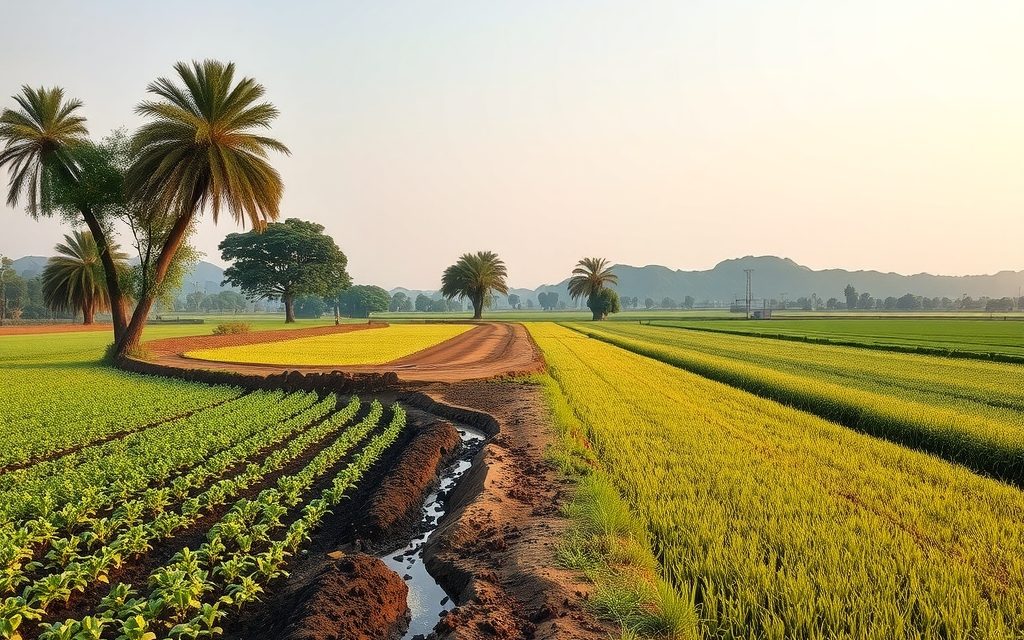
Armoor is Nizamabad district's turmeric and red-jowar town on NH-44, where Gulf remittances keep farmland tightly held. Indicative per-acre bands, borewell and Godavari water facts, FEMA rules for Gulf workers and the title checks that matter.
Nizamabad is a self-contained turmeric and Gulf-remittance city 175 km up NH-44. NUDA layouts on the Armoor road, bypass and Dichpally side, indicative per sq yd bands, and the document checks every buyer needs.

Bodhan is a Nizam Sagar canal town 25 km west of Nizamabad. DTCP and municipal layouts, indicative per sq yd bands, small-town plot arithmetic and the document checks that matter before you pay.
Granite, turmeric and Gulf remittances all flow into land in Jagtial. DTCP and municipal layouts, indicative per sq yd bands by ring, canal and tank buffer checks, and what overseas families must verify.

How NRIs and OCIs draft, sign, attest or apostille, stamp and register a power of attorney for buying, selling or taking a loan on Telangana property, what the SRO checks on the day, and how to revoke it safely.

How much an NRI can move abroad after selling Indian property, which route applies (forex paid or USD 1 million), the two-home rule, tax and TDS first, Form 15CA/CB, documents, timelines and a worked Hyderabad example.

What NRIs and OCIs can and cannot buy under FEMA, how to fund and register a purchase from abroad, TDS and repatriation basics, and where the opportunities are across Hyderabad and the Telangana districts.
HMDA plots 4 km from the ORR beside TCS and the Aerospace SEZ: Adibatla, Bongulur, Kongara Kalan and Mangalpally pockets, indicative per-sq-yd prices and an honest take on Future City and Pharma City.