Agriculture & Farm Land in Dundigal, Medchal-Malkajgiri
The last agricultural pockets on Hyderabad's north-west edge, next to the Air Force Academy and the ORR. Mostly future plot land now; genuine farmland lies further north.
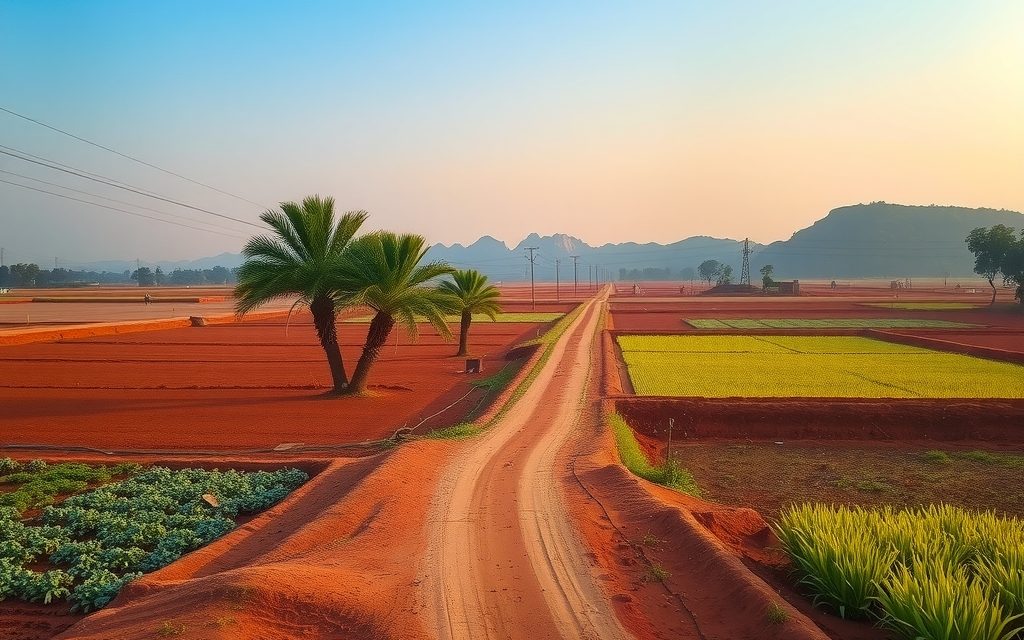
- ORR Dundigal interchange; Gachibowli typically 35–50 min off-peak
- Unconverted agri land registers at the Dundigal Gandimaisamma Tahsildar
- Borewells typically 500–1,000 ft in hard rock; yields vary parcel to parcel
- Thin red gravelly soil with rock outcrops; custard apple, mango, vegetables
- Typical offers 20 guntas–3 acres; airfield height and defence limits apply
| What | Indicative range | Note |
|---|---|---|
| Agri patta land near Gandimaisamma / Bowrampet, residential zone | ₹5 Cr – ₹10 Cr per acre | indicative, Oct 2026 |
| Interior pockets toward Dommara Pochampally and Gagillapur | ₹3.5 Cr – ₹6 Cr per acre | indicative, Oct 2026 |
| Land near the Academy boundary or under height limits | ₹2.5 Cr – ₹5 Cr per acre | indicative, Oct 2026 |
| Narsapur road frontage | ₹8 Cr – ₹15 Cr per acre | indicative, Oct 2026; verify zoning |
| Farm land toward the Medak border, 10–20 km north | ₹1 Cr – ₹2.5 Cr per acre | indicative, Oct 2026 |
| Small agricultural parcels sold in guntas | ₹15 L – ₹35 L per gunta | indicative, Oct 2026; often unapproved |
Ranges reflect recent transactions and advisor observation as of 2026-10. Always verify against the sub-registrar market value and the specific parcel.
Dundigal is where Hyderabad's north-western suburbs finally run out of momentum. Drive past Bachupally and Bowrampet, take the Outer Ring Road's Dundigal interchange, and you reach a mandal defined by three things: the Air Force Academy airfield, the Gandimaisamma temple junction on the Narsapur road, and a patchwork of HMDA layouts that have been eating into the old fields for fifteen years. Anyone searching for agriculture land in Dundigal should understand one thing before the first site visit: most of what is sold here today as "farm land" is really future plot land, priced on its conversion potential rather than on what it can grow.
That does not mean there is nothing to buy. Small pockets of genuine patta land still survive on the fringes of the Dundigal Gandimaisamma mandal in Medchal-Malkajgiri district, especially toward the Medak district border and in the rocky interior away from the main roads. This guide explains what those pockets look like in October 2026, what they cost per acre, how the airfield, HMDA zoning and NALA conversion shape their value, which documents we insist on, and when you would be better off buying an approved plot or moving 15 km further north for real farm land.
Why buyers still look at farm land in Dundigal
The appeal is proximity. Dundigal is roughly 15 to 18 km from JNTU and Kukatpally, about 6 km past Bachupally, and on the ORR, which puts the Gachibowli and Financial District end of the ring within reach outside peak hours. For a family living in Miyapur, Nizampet or Pragathi Nagar, it is the nearest place where an acre of open land still exists at all. Nothing comparable is left inside the ring on this side of the city.
The second reason is momentum. Large township launches in Bowrampet, the steady sale of HMDA plots around Gandimaisamma and Mallampet, and institutions such as Mahindra University at Bahadurpally and the cluster of engineering colleges along the Dundigal road have pulled infrastructure north. Roads are wider than they were in 2020, and power and drinking-water lines have followed the layouts. Land that sits in the path of that spread gains value whether or not anything is ever planted on it.
The third reason is honest: some buyers simply want to own land near the city and are less interested in farming than in holding an asset. Dundigal serves that buyer reasonably well, as long as the purchase is made with eyes open about zoning, the airfield and title. It serves the serious farmer poorly, and we say so to anyone who comes to us wanting to grow crops for income.
Dundigal agricultural land: where the market stands in October 2026
Based on recent transactions and our own site visits across the mandal, the picture is as follows:
- Supply is thin and shrinking. Contiguous agricultural blocks of five acres or more are rare inside the Dundigal municipal limits. Most offers are 20 guntas to 3 acres, often the leftover portion of a family holding after the rest went to a developer.
- Buyers are mainly land bankers and small developers. Very few purchases here are made by people who intend to farm. The typical buyer is a Hyderabad salaried professional or a small builder looking for a parcel that can be converted and laid out within five to ten years.
- Price is driven by road and zoning, not soil. A parcel on a 40 ft road in a residential use zone sells for two to three times a similar parcel reached by a cart track or sitting in a conservation or defence-constrained area.
- Real farming has moved north. Families who actually cultivate are increasingly in the villages beyond the Medak border on the Narsapur side, where the land is cheaper and the neighbours are farmers rather than builders.
- Stuck parcels exist. Land with unresolved heirship, assigned-land history or a lake buffer issue can sit unsold for years, and some of it is offered at tempting discounts. Those discounts usually exist for a reason.
Getting to Dundigal: ORR interchange, Narsapur road and the RRR
From the IT corridor
The quickest route from Gachibowli, Kondapur or the Financial District is the ORR clockwise to the Dundigal interchange. Off-peak, that is typically 30 to 45 minutes. In the evening peak, traffic at the Kollur and Patancheru interchanges and the toll gates can push it past an hour. The alternative city route via Miyapur and Bachupally is shorter in kilometres but slower almost every time of day.
From Kukatpally, Nizampet and Pragathi Nagar
Residents of the north-western suburbs come in through Bachupally and Bowrampet on the Bachupally–Dundigal road, or via Gajularamaram and the Gandimaisamma junction. Expect 25 to 40 minutes depending on the time and the state of the narrow stretches through older village centres.
The Narsapur road
The state highway from Hyderabad to Narsapur and Medak passes through Gandimaisamma and Dundigal before heading north into Medak district. It is the commercial spine of the mandal. Land with frontage on it is priced as commercial property, not farm land, and you should treat any listing that combines "agricultural" with "Narsapur road frontage" with some scepticism until zoning is confirmed.
The Regional Ring Road
The proposed northern arm of the Regional Ring Road is expected to run well north of Dundigal, through the Sangareddy–Narsapur–Toopran belt. That is roughly 25 to 35 km from the Gandimaisamma junction. For land inside the Dundigal mandal, the RRR is not a near-term value driver. For buyers willing to look toward Narsapur, it is a long-term consideration, but survey-number alignments must be confirmed from official notifications before anyone pays a premium for "RRR proximity".
| From Gandimaisamma junction to | Approx. distance | Typical drive (off-peak) |
|---|---|---|
| Bachupally | 6–8 km | 15–20 min |
| JNTU / Kukatpally | 15–18 km | 30–40 min |
| Gachibowli via ORR | 35–40 km | 35–50 min |
| Medchal town | 14–16 km | 25–30 min |
| Narsapur town | 28–32 km | 40–50 min |
| RGIA, Shamshabad via ORR | 70–75 km | 65–80 min |
The Air Force Academy and what it means for your parcel
The Air Force Academy at Dundigal is the single biggest planning constraint in the mandal, and it is often glossed over by sellers. The airfield brings two kinds of restriction that affect land value.
The first is height. Land under the approach and take-off paths of the runway, and land within a defined radius of the aerodrome, is subject to height limits. A farmhouse is rarely affected, but if your long-term plan is to convert the land and sell it to a developer for a multi-storey project, those limits cap what can be built and therefore what a developer will pay.
The second is proximity to defence boundaries. Construction close to the walls of defence establishments has historically needed a no-objection certificate from the local military authority. The Ministry of Defence revised its guidelines in recent years, easing restrictions in many cases, but the rules still vary by distance and type of establishment. A parcel adjoining the Academy boundary is not unbuildable, but it carries extra process and uncertainty.
Our practice is simple: for any Dundigal parcel, we plot the survey number against the airfield and the Academy boundary before discussing price. If a seller is pricing land near the boundary at the same rate as land 3 km away, the seller is ignoring a real discount, and you should not pay for that oversight.
Soil, water and what grows around Dundigal
Rocky red soil over granite
Dundigal sits on the Deccan granite plateau, and it shows. The soil is mostly thin red gravelly loam with frequent rock outcrops, sheet rock just below the surface in places, and the characteristic boulder hillocks of north-western Hyderabad. Deeper red soils occur in the low-lying stretches between hillocks and in the fields below village tanks. These are the only places where intensive cultivation really works.
Borewells carry almost everything
By our observation, roughly two-thirds of working farms in and around the mandal depend mainly on borewells, perhaps one in ten still use open wells, about a fifth are largely rain-fed, and a small share benefit from tank or channel irrigation. Groundwater has come under pressure as layouts and gated communities have drilled their own bores. Recent agricultural bores in the interior have typically gone 500 to 1,000 ft, and yields vary sharply between neighbouring parcels because water in hard rock moves through fractures rather than a uniform aquifer.
Before you pay advance, insist on a pump test of any existing bore during the dry months, ask the neighbouring farmers how it held up last April and May, and confirm whether there is an agricultural power connection in the seller's name that can be transferred.
Lakes and tanks
The mandal has several tanks, including the lakes around Bowrampet and Mallampet. They help recharge groundwater, but they also bring full tank level and buffer restrictions. Inside the ORR, the Hyderabad Disaster Response and Asset Protection Agency has been actively enforcing lake boundaries; outside it, revenue and irrigation officials apply the same rules. Never buy land near a tank in Dundigal without checking the survey number against the lake's FTL and buffer maps.
Crops and orchards
- Vegetables and leafy greens for the Bowenpally, Kukatpally and local markets, often grown by tenant farmers on short leases.
- Paddy in the tank-fed low fields during a good monsoon.
- Maize and fodder, the latter supporting a still-active dairy culture in the villages.
- Mango, guava and custard apple. Custard apple grows almost wild on the rocky hillocks and does well with minimal water, which makes it one of the few sensible orchard choices on thin soil.
Indicative price per acre for agriculture land in and around Dundigal
These figures are indicative ranges based on recent transactions and advisor observation as of October 2026. They are not quotes. Road width, zoning, airfield constraints, water and title quality move the price of any individual parcel more than its village name does.
| Parcel type | Indicative range | What drives it |
|---|---|---|
| Agricultural patta land near Gandimaisamma and Bowrampet, residential zone, 30–40 ft road | ₹5 Cr – ₹10 Cr per acre | Priced as development land; buyers are builders and land bankers |
| Interior pockets toward Dommara Pochampally and Gagillapur, village road | ₹3.5 Cr – ₹6 Cr per acre | Access and zoning decide the top end |
| Land near the Academy boundary or under height limits | ₹2.5 Cr – ₹5 Cr per acre | Discount for defence and height constraints |
| Narsapur road frontage | ₹8 Cr – ₹15 Cr per acre | Commercial expectation; verify zoning |
| Farm land north toward the Medak border, 10–20 km out | ₹1 Cr – ₹2.5 Cr per acre | Real farming belt; better soil in places |
| Small agricultural parcels sold in guntas | ₹15 L – ₹35 L per gunta | Often unapproved plotting; check carefully |
For context, released HMDA layout plots in the Gandimaisamma–Dundigal core typically trade around ₹20,000 to ₹34,000 per sq yd as of October 2026, and higher toward Bachupally. An acre holds 4,840 sq yd gross, but after roads, parks and other open spaces a layout typically sells only 55 to 60 percent of that as plots, and there are conversion, development and approval costs on top. That arithmetic is why raw agricultural land here trades well below the headline plot rate, and why the gap narrows only when the parcel has good access and clear zoning.
The plot-land reality: NALA, HMDA zoning and conversion economics
Because most Dundigal buyers are really buying future plot land, three questions matter more than borewell depth.
What does the HMDA master plan say?
The entire mandal falls within the Hyderabad Metropolitan Development Authority's planning area. Each survey number carries a land-use designation: residential, commercial, manufacturing, conservation, recreational, or something else. A parcel in a residential use zone can be converted and laid out; a parcel in a conservation zone faces far tighter rules, and changing land use is slow and uncertain. Always check the zoning against the current master plan before agreeing a price. You can begin with the HMDA website, but have the survey number plotted by someone who reads these maps regularly.
What does NALA conversion involve?
Under the Telangana Agricultural Land (Conversion for Non-Agricultural Purposes) Act, using agricultural land for anything else, including a house, requires conversion and payment of a conversion fee based on the land's value. Conversion is processed through the revenue department, and once it is done, the land registers at the Sub-Registrar Office rather than the Tahsildar. Building on agricultural land without conversion, or selling it in plots without layout approval, is how many of the problem colonies around Gandimaisamma started.
Does the arithmetic work?
A simplified example: an acre of residential-zone land bought at ₹7 crore, plus stamp duty and registration, conversion fees, layout approval charges, roads, drains, power and the land surrendered to the authority, can easily cost ₹10 crore or more before a single plot is sold. If you sell 2,700 sq yd of plots at ₹30,000, you receive about ₹8.1 crore. The numbers only work if the land was bought well below development value or if the plots sell near the top of the range. Individuals buying an acre to "convert later" should run this calculation honestly before assuming conversion turns into profit.
Types of parcels you will be offered in Dundigal
- Residual family patta land. One to three acres left after a developer bought the rest of the holding. Often the best option for a land banker if title and access are clean.
- Gunta-sold "farm plots". Agricultural land divided into small portions of five to ten guntas without layout approval. Some are marketed as farm plots for weekend homes. Building on them legally requires conversion and approval that may never be granted. We generally advise against them in this mandal.
- Rocky parcels with custard apple or mango. Low-cost on paper, these suit buyers who want a green holding with minimal maintenance, but resale demand is limited.
- Land with structures. A poultry shed, cowshed or old farmhouse. Check whether the structure had any permission and whether its presence affects the agricultural status of the record.
- Genuine farmland north of the mandal. On the Narsapur and Medak side, you find two-to-ten-acre holdings with deeper soil and fewer neighbours. That is the realistic choice for anyone who wants to farm. Compare it alongside farm land in Medchal and agricultural land in Shamirpet.
Villages and pockets around Dundigal worth knowing
Gandimaisamma and the temple junction
The commercial heart of the mandal. Almost no agricultural land survives near the junction itself; what does is priced for conversion. This is better ground for open plots in Dundigal in HMDA layouts than for farm land.
Bowrampet and Mallampet
Bowrampet has seen the largest township launches and is effectively becoming an extension of Bachupally. Remaining agricultural survey numbers here are development land. Lake proximity is common, so check FTL and buffer maps first. Buyers who want a finished home rather than land usually compare villas in Dundigal and plots in Bachupally instead.
Dommara Pochampally, Gagillapur and Bahadurpally
These villages on the eastern and southern sides retain more agricultural survey numbers. Bahadurpally has gained from the university campus, and Gagillapur still has working fields. Access roads vary from good BT roads to narrow cart tracks, which is where most of the price difference comes from.
The Narsapur side
North of Dundigal, past the Medak district border, villages along the Narsapur road and its interior link roads hold the nearest genuine farmland. Prices drop sharply once you cross into Medak district, and the land is usually still under active cultivation.
Telangana agriculture land legal checklist for Dundigal
Dundigal's rapid urbanisation makes title verification even more important than in rural areas, because land changes hands more often and older transactions were sometimes informal. Our checklist:
- Pattadar passbook in the seller's name, matching the extent being sold.
- Online record of rights on Bhu Bharati (successor to Dharani) showing the seller as pattadar, the correct survey and sub-division numbers, classification as patta land, and no prohibition flag. Check it yourself at the state land records portal.
- 1B and pahani (adangal) extracts for as many years back as available, to confirm possession and cultivation history.
- Encumbrance certificate for at least 30 years, from the jurisdictional SRO and through IGRS, to catch mortgages, prior sales and attachments.
- Link documents covering every transfer in the chain, including succession and partition deeds.
- Survey number and FMB sketch, followed by a physical survey by a licensed surveyor to confirm boundaries on the ground.
- NALA status. If any part has been converted, the record and the registration route both change.
- Section 22-A prohibited properties list, which includes government, endowment, wakf and certain assigned lands. Registration of listed survey numbers is barred.
- Assigned land caution. Land assigned to landless families under government schemes cannot be sold under the Prohibition of Transfers Act. Older Dundigal villages have assigned survey numbers; check the record's history, not just its current status.
- GO 58/59 regularisation. If the seller's title rests on regularisation of government land, read the order and its conditions carefully.
- Forest, urban land ceiling and agricultural ceiling checks. Some survey numbers in the mandal had ULC proceedings in the past; confirm they were closed properly.
- HMDA zoning, lake FTL/buffer and airfield constraints, specific to Dundigal.
We have every Dundigal file checked by an independent advocate in addition to our own review. If a seller refuses to share documents before advance, walk away.
Registration of agricultural land in Dundigal: office and charges
Unconverted agricultural land in the mandal is registered at the Dundigal Gandimaisamma Tahsildar office, where the Tahsildar acts as joint sub-registrar and mutation is completed in the same step through the integrated land records system. If the land has been converted under NALA, or you are buying a plot or villa, registration happens at the jurisdictional Sub-Registrar Office instead, which we confirm from the survey number.
| Charge | Approximate rate | Notes |
|---|---|---|
| Stamp duty | About 5.5% | On the higher of market value and consideration |
| Transfer duty | About 1.5% | Collected with stamp duty |
| Registration fee | About 0.5% | Paid at registration |
| Mutation | Nominal or included | Processed at the Tahsildar along with the sale |
That totals roughly 7.5% of market value, but rates and procedures change, so we verify the current figures on the day of registration. The 1% TDS under Section 194-IA does not apply to rural agricultural land, but much of Dundigal falls within or close to municipal limits, and agricultural land within the specified distance of a municipality is treated as a capital asset. TDS may therefore apply if the price exceeds ₹50 lakh. Confirm the position with a chartered accountant for your specific parcel.
Is Dundigal farm land right for you?
It suits
- Land bankers with a 5 to 10 year horizon who understand they are buying development potential and have checked zoning.
- North-west Hyderabad families who want a small green holding close to home and are content with a low-maintenance orchard.
- Small developers evaluating a residual parcel next to existing layouts with established road access.
It does not suit
- Serious farmers, who will find better soil, cheaper land and farming neighbours further north.
- Buyers who want a farmhouse now on gunta-sold land without conversion or approval.
- Anyone who needs liquidity within two or three years.
- Buyers relying on loans. Bank finance for agricultural land for non-farmers is limited.
Many buyers compare Dundigal with farm land around Kompally, which has a similar plot-driven market on the NH-44 side, and with Medchal for larger blocks.
NRIs and agricultural land in Dundigal
NRIs and OCI cardholders cannot buy agricultural land, plantation property or farmhouses in India under FEMA rules, and they cannot receive such property as a gift either. They can inherit it from a resident relative, and they may sell inherited agricultural land only to a resident Indian. Returning NRIs who regain resident status can buy like any other resident.
For NRIs who want exposure to Dundigal's growth, the legal route is non-agricultural property: approved open plots or villas, paid for from NRE or NRO accounts. Our guide to NRI agriculture land rules in Telangana explains the limits and the options in detail.
How NRR Estates helps with a Dundigal land purchase
We act only for the buyer. A typical engagement runs like this:
- Brief: we confirm whether you want farmland, a land bank or future plot land, because the right village differs for each.
- Zoning and constraint mapping: survey numbers are checked against the HMDA master plan, lake maps and the airfield before any site visit.
- Site visits: two or three parcels on the same morning, with bore tests and boundary walks.
- Document verification: passbook, Bhu Bharati record, 1B, pahani, 30-year EC, link documents, FMB, 22-A and assigned-land checks, reviewed by an independent advocate.
- Negotiation: price backed by comparable transactions, and a written agreement with payment milestones and seller obligations.
- Registration and mutation: slot booking, document preparation, attendance at the Tahsildar or SRO, and follow-up until the new passbook issues.
Our fee is disclosed in writing before you commit. If a parcel fails our checks, we tell you, even if that ends the deal.
Dundigal farm land: frequently asked questions
What is the price of agriculture land in Dundigal right now?
As of October 2026, agricultural patta land near Gandimaisamma and Bowrampet in a residential zone with a 30–40 ft road typically trades between ₹5 crore and ₹10 crore per acre, because buyers price it as development land. Interior pockets toward Dommara Pochampally and Gagillapur range roughly ₹3.5 crore to ₹6 crore, and land constrained by the airfield sells lower. Genuine farmland 10–20 km north toward the Medak border is around ₹1 crore to ₹2.5 crore. These are indicative ranges from recent transactions and advisor observation, not quotes.
Is there real farm land left in Dundigal, or is it all plots?
Very little genuine farmland remains inside the Dundigal municipal limits. Most surviving agricultural survey numbers are residual family holdings between HMDA layouts, and they are bought for future conversion rather than cultivation. Working farms survive in the interior villages and, more clearly, north of the mandal past the Medak district border on the Narsapur side. If you want to farm, we usually take you there. If you want a land bank near the city, Dundigal can work, provided zoning, access and title all check out.
How does the Air Force Academy affect land near Dundigal?
The airfield brings height limits for land under the approach and take-off paths and within a defined radius of the aerodrome, and construction close to defence boundaries has historically needed a no-objection certificate. The Ministry of Defence has revised its guidelines, but rules still depend on distance and the type of establishment. A farmhouse is rarely affected, yet a developer will pay less for land where height is capped. We plot every survey number against the airfield and boundary before discussing price, and expect a discount near the wall.
Where is agricultural land in Dundigal registered?
Unconverted agricultural land in the mandal registers at the Dundigal Gandimaisamma Tahsildar office, where the Tahsildar acts as joint sub-registrar and mutation is completed in the same step. Land converted under the NALA Act, plots and villas register at the jurisdictional Sub-Registrar Office, which we confirm from the survey number. Approximate charges are 5.5% stamp duty, 1.5% transfer duty and 0.5% registration fee, around 7.5% of market value, but we verify the current rates on the day of registration.
Does TDS apply when buying agricultural land in Dundigal?
The 1% TDS under Section 194-IA does not apply to rural agricultural land. However, much of Dundigal lies within or near municipal limits, and agricultural land within the specified distance of a municipality is treated as a capital asset under income-tax law. In that case, TDS applies if the consideration exceeds ₹50 lakh. Whether a particular survey number counts as rural or urban depends on its distance from municipal limits and the population of that municipality, so confirm the position with a chartered accountant before registration.
Can I build a farmhouse on agricultural land in Dundigal?
Not on unconverted land, in the strict legal sense. A residential structure needs NALA conversion and building permission, and the HMDA master plan must allow residential use for that survey number. Airfield height limits and defence proximity can add conditions. Many gunta-sold farm plots around Gandimaisamma were marketed for weekend homes without these steps, and owners now face regularisation problems. If a farmhouse is your goal, choose land in a residential use zone with clean title and budget for conversion from the start.
Can NRIs buy farm land in Dundigal?
No. Under FEMA, NRIs and OCI cardholders cannot purchase agricultural land, plantation property or farmhouses in India, and they cannot receive such land as a gift. They can inherit agricultural land from a resident relative and may sell inherited land only to a resident Indian. NRIs who want exposure to Dundigal can legally buy approved open plots or villas using funds from NRE or NRO accounts. Returning NRIs who regain resident status can buy agricultural land like any other resident.
Should I buy farm land in Dundigal or further north toward Narsapur?
It depends on what you want the land to do. Dundigal makes sense for a land bank close to the city where you expect conversion potential within five to ten years, and you accept paying development-land prices. Land beyond the Medak border toward Narsapur is far cheaper per acre, usually still farmed, and better for orchards, cultivation or a larger holding. The RRR's northern arm is also expected to run in that direction, though alignments need official confirmation. Visit both on the same day before deciding.
Related guides
HMDA plots between Bachupally and the ORR Dundigal exit, where west-side IT buyers find independent-house plots at lower rates. Prices by belt, Air Force Academy limits, approvals and legal checks.
Dundigal offers newer gated villas, row villas and HMDA villa plots near the ORR exit at prices well below Bachupally. See October 2026 ranges, how Air Force Academy height limits work, and the layout checks that matter.
Red-soil farms, orchards and highway-side villages 8 km past the ORR Medchal exit on NH-44. Indicative per-acre prices, water realities, HMDA zoning checks and how agricultural land is registered in Medchal.
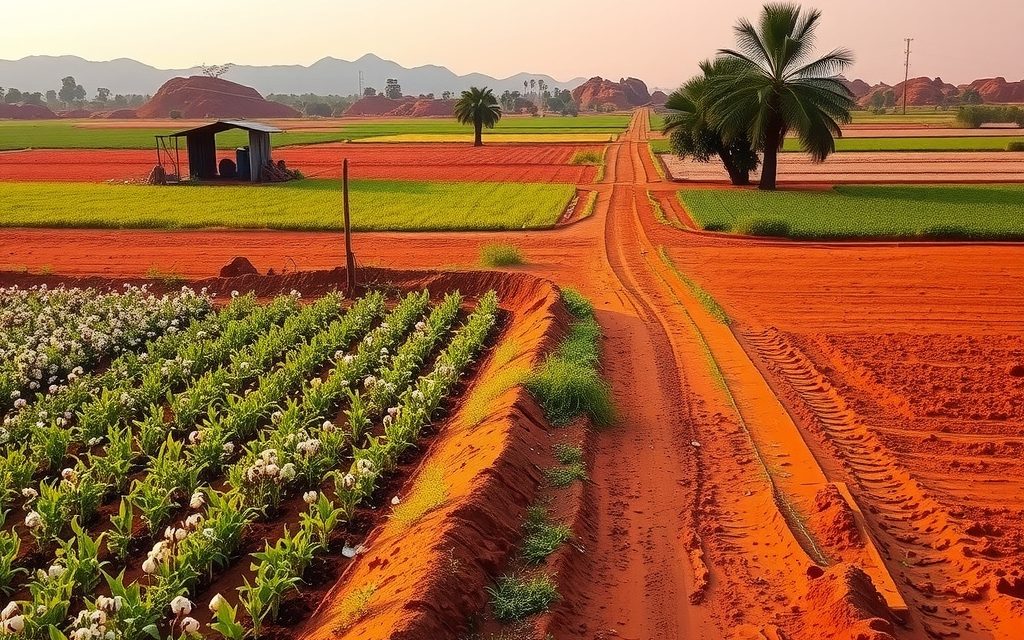
Little true farm land remains inside Kompally, but a 5–25 km ring along NH-44, towards Dundigal and Shamirpet, offers real choice. Indicative per-acre ranges, water and title checks, and a costed two-acre farm budget.
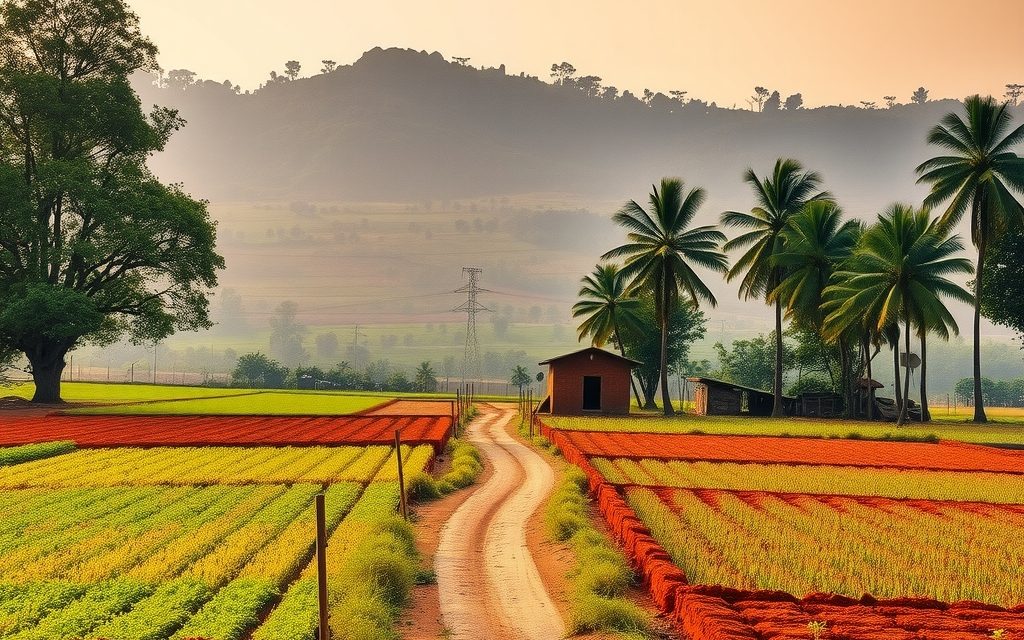
Northern farm belt at the ORR Shamirpet exit on the Karimnagar highway, anchored by Genome Valley, BITS Pilani and NALSAR. Hard-rock land where water and lake or forest boundaries decide value.
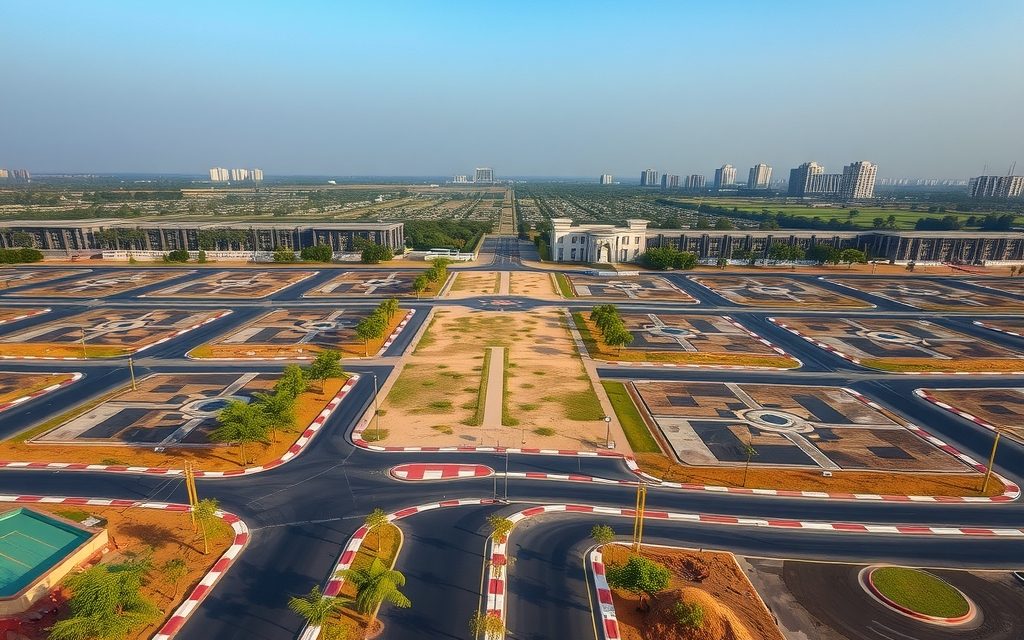
Resale colony plots off the Bachupally–Miyapur road and newer HMDA ventures toward Mallampet, Bowrampet and Dundigal. Indicative prices, approvals, legal checks and registration for family buyers.

NRIs and OCIs cannot buy or receive gifts of agricultural land, plantations or farmhouses; inheritance is the only route. What inherited land allows, why benami workarounds are dangerous, and the lawful alternatives near Hyderabad.
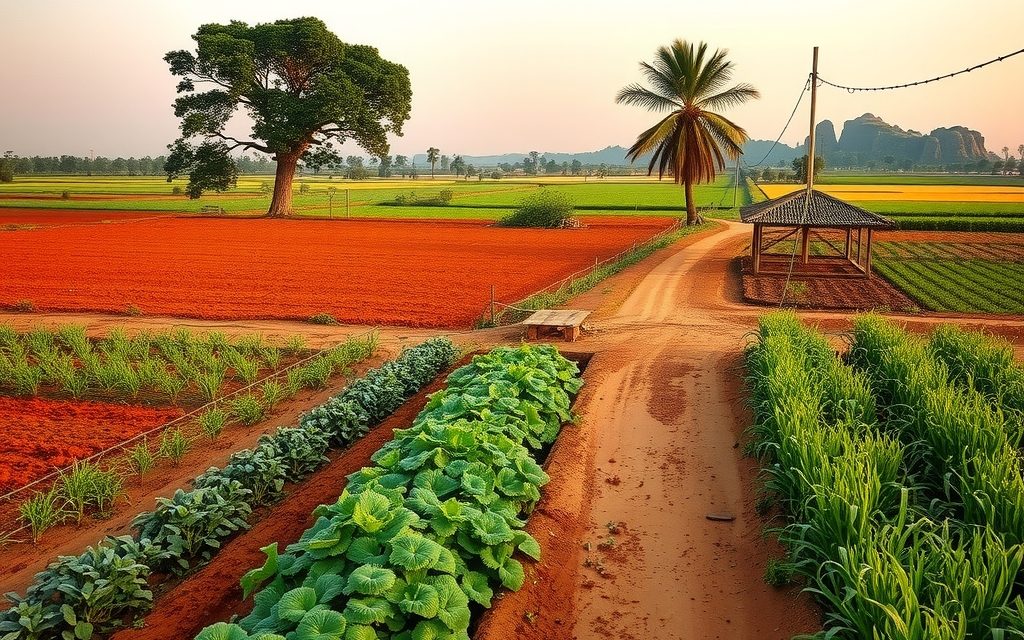
Red-soil farmland 4 km from the ORR beside the Aerospace SEZ and TCS campus. Interior villages still farm vegetables and mango; land near the SEZ is priced as future layout land and needs careful acquisition checks.