Villas & Independent Houses in KPHB Colony, Hyderabad
KPHB Colony's villa market is Housing Board houses on LIG, MIG and HIG plots, many ripe for rebuilding. See October 2026 prices, how to trace an allotment from Board letter to sale deed, and real rebuild numbers.
- KPHB Colony and JNTU College stations on the Red Line; Ameerpet typically 12–15 minutes by metro
- Plots allotted by category: LIG under 100 sq yd, MIG 100–170 sq yd, HIG and corner plots about 200–300 sq yd
- Indicative land ₹1.3 L – ₹2.3 L per sq yd; large-plot houses ₹3.0 Cr – ₹5.8 Cr as of Oct 2026
- Trace allotment, payment, early transfers and the Board's registered conveyance before any advance
- Kukatpally mandal, Medchal-Malkajgiri district; deeds typically registered at the Kukatpally SRO
| What | Indicative range | Note |
|---|---|---|
| LIG-category house, extended, 50–90 sq yd | ₹70 L – ₹1.5 Cr | indicative, Oct 2026 |
| MIG-category house, 100–170 sq yd | ₹1.6 Cr – ₹3.0 Cr | indicative, Oct 2026 |
| HIG or large-plot house, 200–300 sq yd | ₹3.0 Cr – ₹5.8 Cr | indicative, Oct 2026 |
| Recently rebuilt G+3 on a 200–300 sq yd plot | ₹4.2 Cr – ₹7.0 Cr | indicative, Oct 2026 |
| Land value, phases near metro and main road | ₹1.5 L – ₹2.3 L per sq yd | clean Board title |
| Land value, inner phases | ₹1.3 L – ₹1.8 L per sq yd | clean Board title |
Ranges reflect recent transactions and advisor observation as of 2026-10. Always verify against the sub-registrar market value and the specific parcel.
Villas in KPHB Colony are not villas in the brochure sense. They are independent houses on plots that the state Housing Board laid out and allotted, phase by phase, from the late 1970s, and that families have since extended, rebuilt or quietly turned into small rental buildings. KPHB, short for Kukatpally Housing Board Colony, sits in Kukatpally mandal of Medchal-Malkajgiri district, with the KPHB Colony and JNTU College stations on the metro Red Line and the HITEC City road at its western edge. This guide is narrower than our general Kukatpally page. It focuses on the colony itself: how the phases and plot categories differ, what a KPHB house costs as of October 2026, how to reconstruct an allotment history from the first Board letter to the latest sale deed, and when it makes sense to buy a 200–300 sq yd plot and rebuild.
NRR Estates is an advisory, not a listing site. In KPHB most of our work is paper: matching the Board's plot number to the house on the ground and finding the missing link before a buyer pays for it.
Why villas in KPHB Colony really mean houses on Board plots
The Housing Board planned KPHB as a self-contained township, with a grid of roads, earmarked parks, shopping areas and plots sorted by income category. That planning still shows. Roads are straighter and wider than in the private colonies around it, parks survive, and the plot pattern is regular enough that a buyer can compare one house with another more easily than almost anywhere else in the city.
- Planned roads. Many KPHB streets are 30–60 ft wide, which matters both for daily parking and for what you are allowed to build on a rebuild.
- Metro on the doorstep. Large parts of the colony are a short walk from KPHB Colony or JNTU College stations, with Ameerpet typically 12–15 minutes away by train.
- Regular plots. Plot categories mean that the land under a house is usually a known size and shape, recorded in the Board's layout.
- Deep resale market. KPHB houses change hands constantly. Buyers include families upgrading from flats, landlords building rental floors and small builders looking for redevelopment sites.
The trade-off is the same one every central neighbourhood carries: density. Many original plots are small, extensions have crowded some streets, and the commercial spine along the main KPHB road is busy at all hours. For a gated villa with a garden, buyers look at villas in Nizampet or further north. For flats inside the colony, our page on apartments in KPHB Colony covers that market.
Reading KPHB by phase and plot category
The colony is commonly described as having nine phases, with later Board schemes and the Malaysian Township at its edges. The phase numbers do not run in a tidy line on the map, so we always place a specific address before comparing it with another. For independent houses, three factors explain most of the difference in price.
Plot category
The Board allotted plots in categories the market still calls LIG, MIG and HIG. LIG plots are the smallest, often well under 100 sq yd; MIG plots are typically 100–170 sq yd; and HIG plots run roughly 200 sq yd and above, with some corner and end plots approaching 300 sq yd. Category also tended to cluster: whole streets were laid out for one category, which is why an HIG street feels very different from an LIG lane two blocks away. The plots that interest most villa buyers and rebuilders are the HIG and larger MIG holdings of 200–300 sq yd.
Distance to the metro and the main roads
Phases close to the KPHB Colony and JNTU College stations and to the main KPHB road carry the highest land values and the strongest rental demand. Inner phases are quieter, with tree-lined streets and parks, and trade at a modest discount. Houses directly on commercial stretches are often valued partly as shops, which changes the buyer pool.
Road width in front of the plot
In KPHB this is the single most important variable after location. A 250 sq yd plot facing a 40 ft road can support a meaningfully larger building than the same plot on a 30 ft road, and that difference flows straight into the land price. Before discussing a figure, we measure the road, note the corner condition and check whether any road-widening line affects the frontage.
What sits at the edges
The Malaysian Township and the towers along the HITEC City road are apartment territory, not house territory. On the JNTU and Hydernagar side, KPHB blends into private layouts with ordinary sale-deed titles, and the Board's paperwork no longer applies. Knowing exactly where the Board's layout ends is part of the title check, and our page on villas in Kukatpally covers the surrounding private colonies.
Indicative house and villa prices in KPHB Colony, October 2026
The ranges below reflect recent transactions and advisor observation as of October 2026 and should be read as indicative bands rather than quotes. Within a band, the completeness of the Board title matters most, followed by phase, road width, facing and how well the structure has been kept.
| KPHB property type | Typical size | Indicative price |
|---|---|---|
| LIG-category house, extended | 50–90 sq yd | ₹70 L – ₹1.5 Cr |
| MIG-category house | 100–170 sq yd | ₹1.6 Cr – ₹3.0 Cr |
| HIG-category or large-plot house, original or extended | 200–300 sq yd | ₹3.0 Cr – ₹5.8 Cr |
| Recently rebuilt G+3 on a large plot | 200–300 sq yd; 6,000–9,000 sq ft built | ₹4.2 Cr – ₹7.0 Cr |
| Land value, phases near the metro and main road | — | ₹1.5 L – ₹2.3 L per sq yd |
| Land value, inner phases | — | ₹1.3 L – ₹1.8 L per sq yd |
| Monthly rent, 2BHK floor in a rebuilt house | 900–1,150 sq ft | ₹16,000 – ₹26,000 |
Two things to read into the table. First, in KPHB the land does almost all the talking; a 1980s Board-design house adds little to the price unless it has been rebuilt recently and well. Second, a house without the Board's registered conveyance, or one held on a chain of powers of attorney, trades at a real discount and is usually not bank-financeable. If the price looks unusually soft for the phase and plot category, the reason is almost always in the file.
Allotment history: reconstructing a KPHB file from the Board letter to today's deed
Every KPHB title starts with a public body rather than a private landowner, and that changes how you verify it. The land came from the state; the Board developed the layout and allotted plots or houses under schemes with their own terms. Our approach is to rebuild the property's history in order, as a timeline, and to stop at the first gap.
How allotment terms affect who owned what, and when
Allotment terms varied by scheme and period. In many cases the allottee paid in instalments and was given possession early, but the Board remained the legal owner until the last instalment was cleared and a registered sale or conveyance deed was executed. Some schemes were structured as hire-purchase or lease-cum-sale arrangements, in which the occupant held rights closer to a tenancy than to ownership during the payment period. This is why we treat the word "leasehold" carefully in KPHB. It is not that the colony is leasehold today; it is that, for a period after allotment, many properties were not yet freehold in the allottee's hands, and anything sold during that window was sold by someone who did not yet own it outright.
The timeline we build for every KPHB house
- Scheme and allotment: the scheme name, category, plot or house number and phase in the allotment letter, and the date of allotment and possession.
- Payment period: instalment receipts or the Board's no-dues certificate, and whether any transfer happened before payment was complete.
- Board permission for early transfers: if the allottee handed over the property before conveyance, whether the Board recognised the transfer or substituted the new name in its records.
- Conveyance: the Board's registered sale or conveyance deed, its date, the name in whose favour it was executed and the boundaries described.
- Everything after: each registered sale deed, gift, partition or settlement since conveyance, with succession documents wherever an owner died.
Most KPHB files pass this test cleanly. When they do not, the break almost always sits at step two or three: a sale on an agreement or a power of attorney while the Board still owned the property, with the conveyance later executed in the original allottee's name rather than the actual occupant's, or never executed at all.
Where the records actually are
- The Board's estate records: the Telangana State Housing Board holds allotment and conveyance records for its colonies. A certified extract or a written confirmation of the allottee's name and conveyance status is far stronger than photocopies in a seller's file.
- Encumbrance certificates: searched at the registration department for at least 30 years, by plot description and by every owner's name, to catch transactions that were registered but not disclosed.
- GHMC records: property tax assessments, building permissions and any regularisation orders, which show who the municipality has treated as owner and what was approved.
Red flags specific to Board colonies
- A conveyance deed in the name of someone who does not appear anywhere in the seller's chain.
- A plot number in the deed that does not match the Board's layout or the house's position on the ground.
- Boundaries that include Board open space, a park corner or part of the road.
- Possession and tax receipts going back decades, but no registered document before the current seller.
- Heirs of the original allottee who have not signed anything, in a chain that relies on a power of attorney given by the allottee before death.
Gaps can usually be cured, but the cure lies with the people who created them: the original allottee or their heirs obtaining the conveyance and executing a proper sale deed, or the heirs joining the sale. That must happen before you pay the bulk of the price, not after. Our guide to link documents and the title chain in Telangana explains why each link carries weight.
Rebuilding on a 200–300 sq yd KPHB plot: a worked example
The most common villa-buyer plan in KPHB is to buy an older HIG house and replace it with a modern building: an owner's duplex on the upper floors with rental units below. Here is how we test that plan, using indicative October 2026 numbers. Every figure should be replaced with the real ones for the plot in front of you.
The assumptions
- A 250 sq yd plot (about 209 sq m) on a 40 ft road in an inner phase, bought at around ₹1.6 L per sq yd, so roughly ₹4.0 Cr for land with an old house.
- Permission, after setbacks and parking, for a stilt-plus-three building of about 1,600–1,750 sq ft per floor. The real envelope depends on the Telangana building rules for that plot area, road width and abutting conditions, and an architect must confirm it.
- Good-quality construction at around ₹2,600–₹3,200 per sq ft of built area.
| Item | Indicative figure |
|---|---|
| Land with old house, 250 sq yd | About ₹4.0 Cr |
| Stamp duty and registration (about 7.5%) | About ₹30 L |
| Built area, three floors over stilt | About 5,000 sq ft |
| Construction, permissions, design and contingency | About ₹1.5 Cr – ₹1.8 Cr |
| All-in cost | About ₹5.8 Cr – ₹6.1 Cr |
| Rent from the first floor, let as two compact 2BHK units | About ₹3.8 L – ₹6.2 L a year |
The numbers make the point plainly. A KPHB rebuild is not a high-yield investment; it is a way of living in a new, owner-designed home on the metro while letting the lower floors offset part of the carrying cost. The rental income above works out to only about 1% of the all-in cost, which is why we discourage buyers who are doing this purely for yield. Where the plan does work, it is because the owner values a large new home in a central location that cannot be bought ready-made anywhere nearby.
What can break the plan
- Road width: a 30 ft road can reduce the permissible floors or increase setbacks enough to remove a whole rental floor.
- Party walls and neighbours: many KPHB houses share walls or sit tight against each other, which complicates demolition and foundations.
- Title cure delays: fresh building permission needs a clean title in your name. A missing conveyance can hold up construction for months.
- Construction risk: builders in redevelopment are of very variable quality. Insist on an engineer of your own, staged payments and a written specification.
Our guide to TG-bPASS and GHMC building permission covers the approval steps.
Joint development: the other route for KPHB plot owners and buyers
Many of the boutique apartment buildings now rising in KPHB began as a family's HIG or merged MIG plots handed to a small builder under a joint development agreement, with the family taking a share of the finished flats. This affects villa buyers in two ways.
First, it sets a floor under land values. A plot that a builder can redevelop is worth what the builder can pay for it, which supports prices in phases where redevelopment is active. Second, if you are buying a house next to a plot under redevelopment, expect a year or more of construction noise and check how the new building's height and setbacks affect your light and privacy. Owners considering the route themselves should read our landowner's guide to joint development agreements in Telangana before signing anything.
Houses on KPHB's commercial roads
Along the main KPHB road and some phase roads, ground floors have turned into clinics, coaching centres, banks and restaurants. A house here is valued on its commercial rent as much as its land. Before buying one, check the land use permitted under the master plan for that road, whether the commercial use has the necessary trade and building permissions, and whether parking demands from the commercial floor will cause problems with the municipality or neighbours. Buyers who want a quiet family home should treat a main-road house as an investment property rather than a residence.
Daily life and commute from KPHB
KPHB is one of the most self-sufficient neighbourhoods on the north-western side of the city. Schools, coaching institutes, clinics, banks and markets sit within each phase, the two large malls of the Kukatpally area are minutes away, and JNTU Hyderabad gives the colony a permanent student and faculty population. HITEC City is typically 15–30 minutes by road via the Kaithalapur side, Ameerpet 12–15 minutes by metro, and the airport 50–80 minutes via the ORR. The weak points are peak-hour congestion on the main roads, scarce parking in older lanes and monsoon waterlogging in a few low-lying stretches, which we check street by street.
Buying process and charges for a KPHB house
KPHB deeds are typically registered at the Kukatpally Sub-Registrar Office, though we confirm jurisdiction for each address. The sequence is a token advance against an agreement of sale, the title timeline described above, a bank's legal and technical opinion if you are borrowing, balance payment and registration, then mutation of property tax and utilities with GHMC and the service providers.
| Item | Approximate figure (verify at the SRO) |
|---|---|
| Stamp duty | About 5.5% |
| Transfer duty | About 1.5% |
| Registration fee | About 0.5% |
| Total government charges | About 7.5% of the higher of consideration and market value |
| TDS under Section 194-IA | 1% when the price exceeds ₹50 lakh and the seller is resident |
| GST | Not applicable to resale houses |
These rates have applied since July 2021. We confirm the live figures and the market value for the plot before you book a slot; official information is on the Telangana registration and stamps portal.
Rental yield and resale outlook in KPHB
An original house let whole to a family yields roughly 2% to 3% gross on market value. A rebuilt house with rental floors typically reaches 3% to 4% gross on its market value, though, as the worked example shows, far less on the full cost of buying and rebuilding. Tenant demand is broad: IT employees commuting to HITEC City, JNTU students and staff, and families who want the metro and established schools.
For resale, KPHB benefits from scarcity. No new Board colony of this scale is being created close to the IT corridor, and plots in good phases rarely sit unsold for long when the title is clean. What holds prices back is not demand but paperwork: houses with conveyance gaps, unauthorised floors or encroachments onto Board land sell slowly and at discounts. Clean title is, in effect, the premium.
NRI guide to buying a house in KPHB Colony
NRIs and OCI cardholders can buy independent houses in KPHB without RBI approval. Residential property is permitted; only agricultural land, plantations and farmhouses are barred, and those can be held by NRIs and OCIs only by inheritance.
- Payments through banking channels from NRE, NRO or FCNR accounts or by inward remittance, never in cash or through third parties.
- Power of attorney: a property-specific POA executed abroad, attested at the Indian mission and adjudicated in Telangana within the prescribed time, so that a relative can sign at the Kukatpally SRO.
- Rebuilding from abroad: possible, but plan for an on-the-ground project manager and an independent engineer. Most KPHB rebuild problems we see come from absentee owners relying on a builder's word.
- Exit planning: whoever buys from you will withhold tax under Section 195, calculated on your capital gain with surcharge and cess added, rather than the flat 1% resident rate. Since 2024, long-term gains on property attract 12.5% with no indexation benefit. If your real liability is lower, apply for a lower-deduction certificate before the sale. Take a chartered accountant's advice on your own position.
Many KPHB sellers are NRI children of original allottees. That brings its own checks: whether every heir has joined the sale, whether POAs were properly adjudicated and whether the buyer is set up to deduct Section 195 TDS. Our NRI guide to buying villas and apartments in Hyderabad covers the wider process.
How NRR Estates helps in KPHB Colony
We disclose our fees before you commit. For KPHB houses, our work is weighted toward the file:
- Placing the property: phase, plot category, plot number against the Board layout, road width and any widening line.
- Allotment timeline: allotment, payment, early transfers, conveyance and every deed since, with Board and registration records rather than photocopies.
- Building review: sanctioned plan, deviations, encroachments onto Board land and, for rebuild plans, an architect's realistic envelope.
- Negotiation: based on land value for the phase and road, with title cures and repairs priced in.
- Closing: charges verified on the day, SRO coordination, TDS compliance and GHMC mutation.
If KPHB's plot sizes feel tight, villas in Pragathi Nagar offer larger lakeside plots 15–20 minutes north.
KPHB Colony house and villa questions
What does a house or villa in KPHB Colony cost in October 2026?
Indicatively, extended LIG houses on 50–90 sq yd range from about ₹70 lakh to ₹1.5 crore, MIG houses on 100–170 sq yd from about ₹1.6 crore to ₹3.0 crore, and HIG or large-plot houses on 200–300 sq yd from about ₹3.0 crore to ₹5.8 crore. Recently rebuilt G+3 houses on large plots typically sit between ₹4.2 crore and ₹7.0 crore. These ranges come from recent transactions and advisor observation and depend heavily on phase, road width and title.
Was KPHB Colony leasehold, and does that matter today?
KPHB is not a leasehold colony today, but for a period after allotment many properties were not yet freehold in the allottee's hands. Under several schemes the allottee paid in instalments, sometimes on hire-purchase or lease-cum-sale terms, and the Board stayed the legal owner until it executed a registered conveyance. Any sale made during that window was made by someone who did not yet fully own the property, which is where most KPHB title gaps begin.
Which documents prove a clean KPHB title?
We look for the allotment letter with scheme, category, plot number and phase; payment receipts or the Board's no-dues certificate; any Board recognition of a transfer made before conveyance; the Board's registered conveyance or sale deed; and every registered deed since. Add a 30-year encumbrance certificate searched by plot and by each owner's name, GHMC tax and building records, and succession papers where any owner has died. A certified confirmation from the Board's records is stronger than photocopies.
Can I buy a KPHB house where the Board conveyance was never executed?
Not safely, until the gap is cured. The usual remedy is for the original allottee or their heirs to obtain the conveyance from the Board and then execute a registered sale deed, or for the heirs to join the sale. This needs their cooperation and takes time. Until it is done, banks will usually not lend, GHMC building permission for a rebuild becomes difficult and resale is hard. Keep any advance small and conditional on the cure.
Does rebuilding on a 250 sq yd KPHB plot make financial sense?
As a home, often yes; as a pure investment, rarely. On indicative October 2026 numbers, a 250 sq yd plot at about ₹4 crore plus charges and a stilt-plus-three rebuild costs roughly ₹5.8–6.1 crore all-in. Letting one floor as two compact 2BHK units brings perhaps ₹3.8–6.2 lakh a year, about 1% of cost. The plan works when the owner values a new, large home on the metro, not when yield is the goal.
How many floors can I build on a KPHB plot?
It depends on the plot area, the road width in front, setbacks, abutting conditions and parking under the Telangana building rules, applied by GHMC through TG-bPASS. On a 200–300 sq yd plot facing a 40 ft road, a stilt-plus-three building is a common outcome, while a 30 ft road can reduce what is allowed. We have an architect sketch the permissible envelope for the specific plot before you agree a price based on rebuild plans.
Can NRIs buy an independent house in KPHB Colony?
Yes. NRIs and OCI cardholders can buy residential houses in KPHB without RBI approval, paying from NRE, NRO or FCNR accounts or by inward remittance. Only agricultural land, plantations and farmhouses are barred and can be held only by inheritance. A property-specific power of attorney, attested abroad and adjudicated in Telangana, lets a relative sign at the Kukatpally SRO. NRIs planning a rebuild should appoint an independent engineer locally. Consult a chartered accountant on tax.
What are the registration charges for a KPHB house?
Approximately 5.5% stamp duty, 1.5% transfer duty and 0.5% registration fee, about 7.5% in total, on the higher of the agreement value and the government market value. The buyer deducts 1% TDS on purchases above ₹50 lakh from a resident seller, or TDS under Section 195 when the seller is an NRI. KPHB deeds are typically registered at the Kukatpally SRO; we confirm jurisdiction and verify current rates before booking the slot.
Related guides
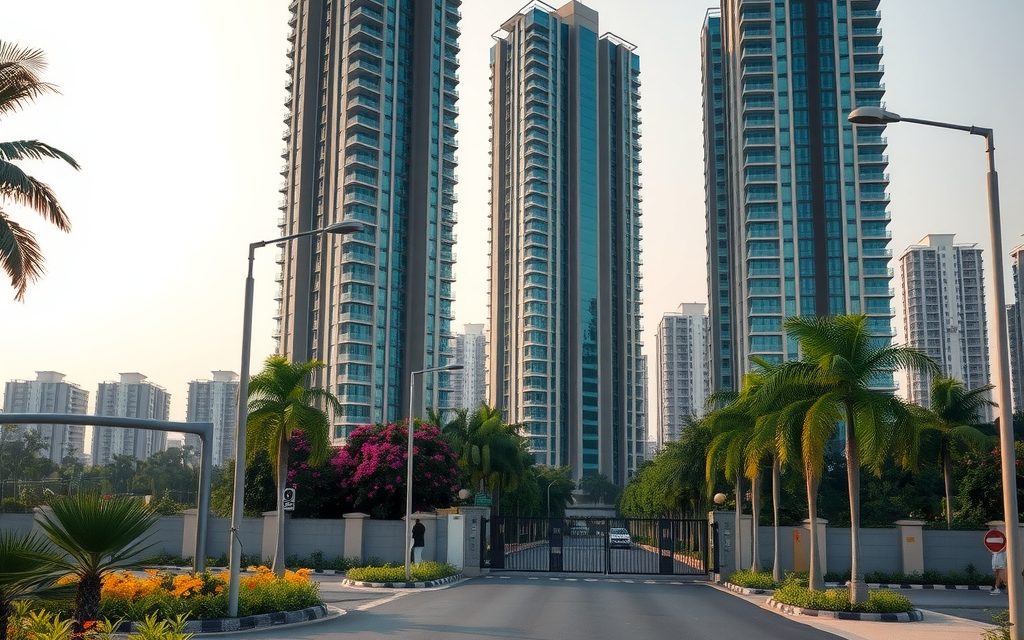
KPHB Colony began as Housing Board allotments and is now one of Hyderabad's most traded flat markets, with metro access and a redevelopment wave. Here is how phases, title chains and prices work.
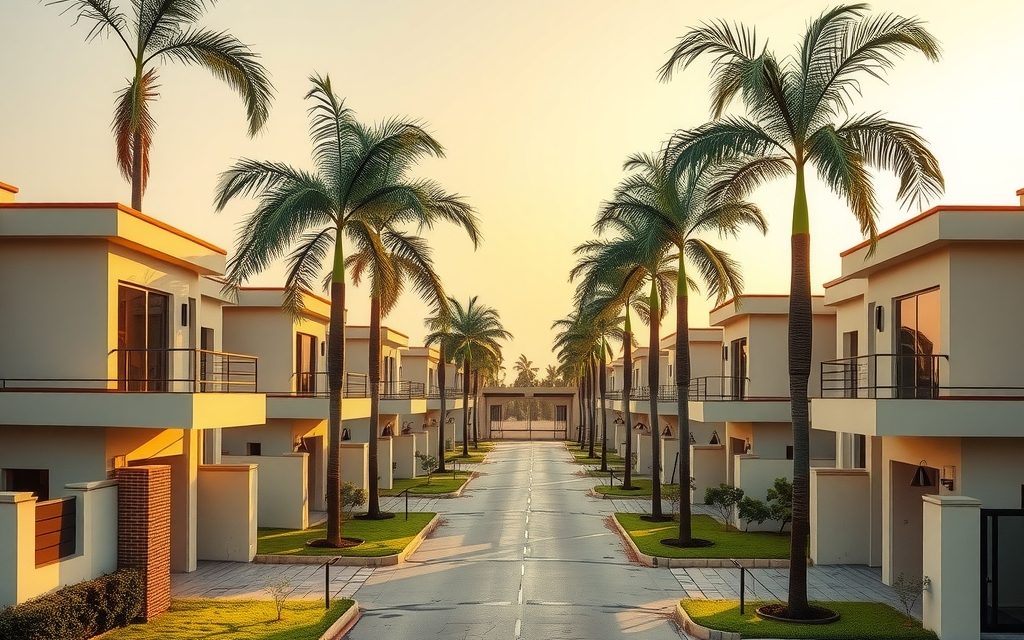
Kukatpally's villa market is really KPHB Housing Board houses, older colony homes, G+2 rebuilds and a few gated rows. See indicative prices, Board title checks, rebuild economics and NRI rules before you buy.
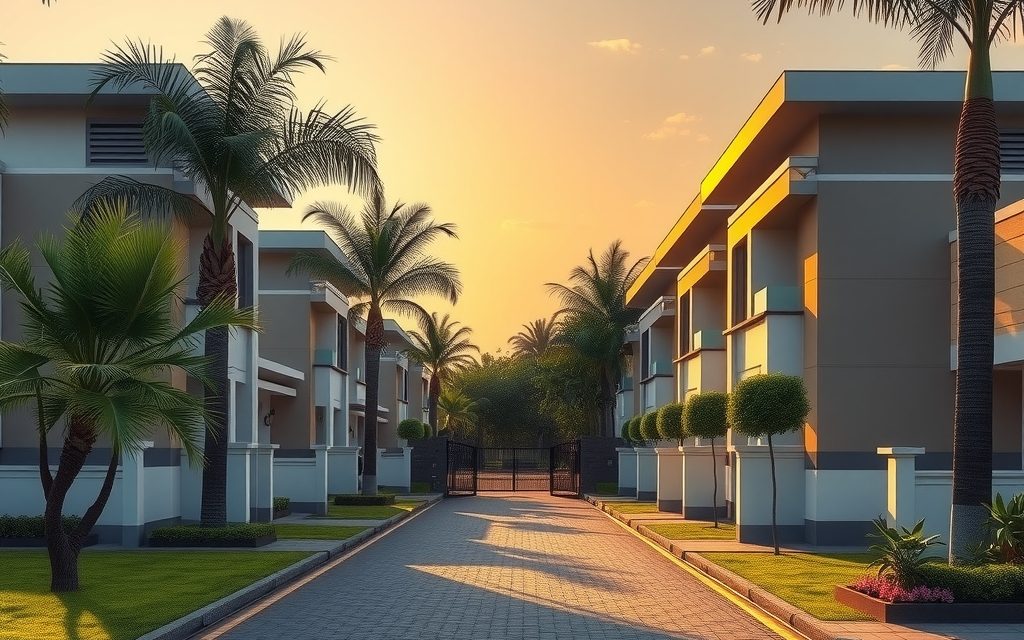
Nizampet offers triplex row houses, independent homes and a few gated villas near JNTU metro and the Bachupally school belt. See October 2026 price ranges, how its civic history affects permissions and which low-lying pockets to check.
Pragathi Nagar offers independent houses on larger plots, small gated duplex clusters and row houses beside its lake, near the Bachupally school belt. See October 2026 price ranges, older-house checks, lake rules and rebuild costs.
Miyapur, at the Red Line metro terminal on the Mumbai highway, offers row villas, gated independent villas and Hafeezpet colony houses at typically 35–50 percent below Kondapur, 20–40 minutes from HITEC City.

A sale deed is only as good as the deeds behind it. Why lawyers trace at least 30 years to a root of title, how partitions, GPA sales, wills and decrees fit in, and what a title opinion actually checks.

How joint development works for Telangana landowners: indicative sharing ratios by location, registering the development agreement-cum-GPA, RERA promoter duties, GST and Section 45(5A) capital gains, stalled-project risk and the clauses that protect your land.

Which Hyderabad micro-markets suit NRIs, what each budget buys, new versus resale, RERA and OC checks, GST, TDS for resident and NRI sellers, rental yields, management and repatriation of sale proceeds.