Villas & Independent Houses in Dilsukhnagar, Hyderabad
In Dilsukhnagar the villa market means older independent houses in the lanes behind the main road, rental rebuilds near five Red Line stations, and quieter homes in Kothapet, Chaitanyapuri and Saroornagar. Prices, rebuild maths and checks.
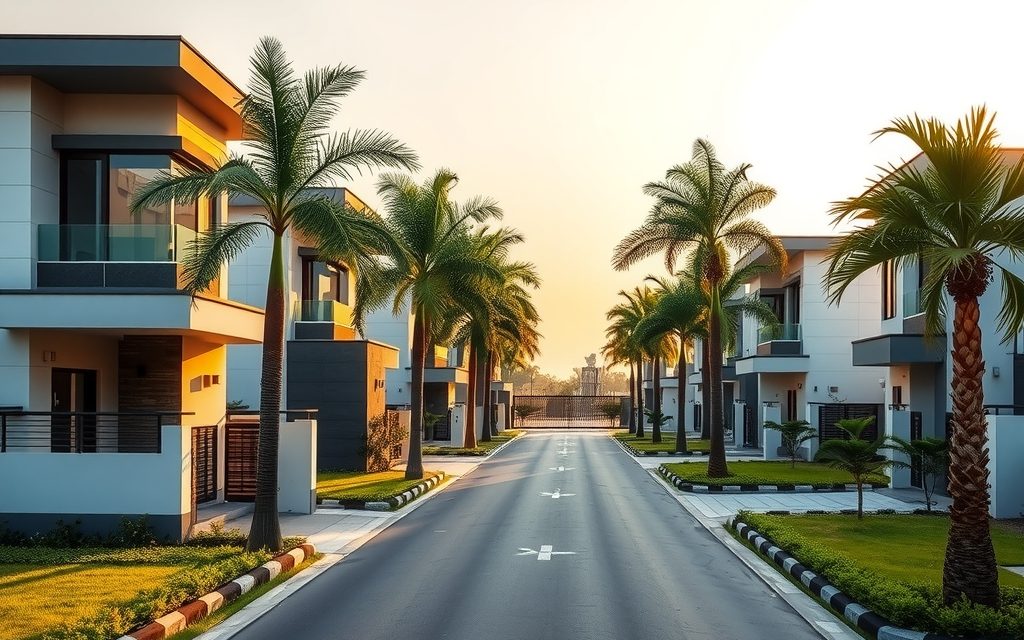
- Five Red Line stations from Moosarambagh to LB Nagar; Ameerpet typically 25–35 minutes by metro
- Older interior-lane houses indicatively ₹1.1 Cr – ₹2.8 Cr; most are valued on land
- Residential land around ₹95,000 – ₹1.5 L per sq yd; main-road frontage far higher
- No real gated villa supply: the market is independent houses, extensions and rebuilds
- GHMC LB Nagar zone; colonies split between Saroornagar mandal (Rangareddy) and Hyderabad district
| What | Indicative range | Note |
|---|---|---|
| Older independent house, interior lane, 100–200 sq yd | ₹1.1 Cr – ₹2.8 Cr | indicative, Oct 2026 |
| Rebuilt G+3/G+4 rental building, 150–250 sq yd | ₹2.4 Cr – ₹4.5 Cr | indicative, Oct 2026 |
| Older house, Chaitanyapuri / Kothapet, 150–250 sq yd | ₹1.3 Cr – ₹2.8 Cr | indicative, Oct 2026 |
| Older house, Saroornagar, 150–250 sq yd | ₹1.1 Cr – ₹2.4 Cr | indicative, Oct 2026 |
| Land value, Dilsukhnagar residential lanes | ₹95,000 – ₹1.5 L per sq yd | indicative, Oct 2026 |
| Monthly rent, full 3 BHK independent house | ₹22,000 – ₹42,000 | indicative, Oct 2026 |
Ranges reflect recent transactions and advisor observation as of 2026-10. Always verify against the sub-registrar market value and the specific parcel.
Dilsukhnagar is not where anyone expects to find a villa, and that is precisely why the search deserves an honest answer. People looking for villas in Dilsukhnagar are almost always looking for an independent house: an older G+1 on a 100–200 sq yd plot in the lanes behind the main road, a house that can be demolished and rebuilt as a rental building, or a quieter home a little further out in Kothapet, Chaitanyapuri or Saroornagar. Gated villa communities, in the sense the western suburbs use the phrase, essentially do not exist in this dense commercial hub. What does exist is one of Hyderabad's most liquid independent-house markets, a powerful rental base built on coaching centres, hospitals and retail, and a land value that makes every older house a rebuild decision in disguise. This guide covers that market as of October 2026: where the houses are, what they cost, how rebuild economics work, which approvals matter, and how NRIs can buy or sell.
NRR Estates advises buyers rather than listing properties. We check titles, walk lanes at the hours that matter and give a straight opinion, with our fee disclosed in writing before you commit.
Villas in Dilsukhnagar: what the term really means here
Dilsukhnagar grew from a residential colony into south-east Hyderabad's high street over four decades. The main road between Moosarambagh and LB Nagar carries the Red Line metro overhead and an almost continuous run of showrooms, coaching institutes, hospitals, banks and eateries below. Behind it, residential lanes branch off in every direction, lined with houses that families built in the 1970s, 1980s and 1990s.
Those houses are the villa market. They come in three broad conditions:
- Original houses: single-storey or G+1 homes on their first structure, often with a courtyard or a front sit-out, increasingly rare and usually bought for the land.
- Extended houses: a ground floor from one decade with upper floors added in the next, sometimes with a separate staircase for tenants. Structural history matters most here.
- Rebuilt houses: G+2 to G+4 buildings on the same plots, with an owner's floor and rental units, and on main-road plots a shop or clinic at ground level.
If you want a new duplex in a planned colony or a gated villa with a clubhouse, Dilsukhnagar will not provide it, and it is better to say so on the first page. Those buyers usually do better toward villas in Vanasthalipuram and beyond, or in Nagole's Bandlaguda lanes.
Why buyers still choose an independent house in Dilsukhnagar
- Centrality: the old city, Koti, Abids and the central business areas are typically 20–35 minutes away, and the Red Line connects directly to Malakpet, MGBS, Nampally, Ameerpet and Kukatpally.
- Five metro stations in a row: Moosarambagh, Dilsukhnagar, Chaitanyapuri, Victoria Memorial and LB Nagar all serve the area, so most lanes are within a short walk or auto ride of a station.
- Everything on foot: markets, hospitals, schools, colleges and bus depots are within the neighbourhood, which suits elderly parents and families without a second car.
- Rental depth: students and coaching aspirants, hospital staff, traders and young families keep demand for rooms and flats steady year-round.
- Liquidity: a well-documented house here rarely waits long for a buyer, because local families and builders are both in the market for land.
Against that sit congestion, noise on the main road, narrow interior lanes in older pockets, limited parking, and housing stock that is ageing quickly. Every advantage of Dilsukhnagar is priced into the land.
Lanes, belts and the neighbouring alternatives
Dilsukhnagar sits within GHMC's LB Nagar zone. Revenue records for many colonies fall in Saroornagar mandal of Rangareddy district, while pockets toward Saidabad and Malakpet fall in Hyderabad district. That split matters for registration, so we confirm the mandal and SRO from each property's documents.
The main-road frontage
Plots fronting the main road between Moosarambagh and Chaitanyapuri are commercial assets, not homes. Ground floors carry showrooms, clinics or coaching centres and upper floors are offices or hostels. These trade on rental income and frontage, at land rates several times those of the residential lanes.
The interior residential lanes
One or two turns off the main road, the character changes quickly: houses with gates, trees, children's cycles and the occasional original courtyard home. Lane width varies from comfortable 30–40 ft roads to 20 ft lanes where two cars cannot pass. Lane width is one of the biggest price drivers in Dilsukhnagar because it decides parking, rebuild height and resale appeal.
Chaitanyapuri and Kothapet
East along the metro toward LB Nagar, Chaitanyapuri and Kothapet offer slightly larger plots, calmer residential colonies and easy access to Chaitanyapuri and Victoria Memorial stations. Many buyers who start in Dilsukhnagar end up here, paying a modest premium for a quieter street. Kothapet's old fruit market has moved out of the area to Batasingaram, and the state has announced a large super-specialty hospital on the former Gaddiannaram market land; when complete it should add healthcare depth and some traffic.
Saroornagar
South of Dilsukhnagar around Saroornagar lake, colonies are older and more residential, with a mix of original homes and rebuilds. Prices are typically a notch below Dilsukhnagar's best lanes, and the lake is both an asset and the reason every survey number here needs an FTL and buffer check.
Moosarambagh, Saidabad and the Musi side
West and north-west, toward the Musi, colonies are dense and older still. Houses here are close to the river and the Moosarambagh bridge, and some lie near areas surveyed under the state's Musi rejuvenation programme. Value can be good, but the due diligence is heavier.
Indicative house and villa prices in Dilsukhnagar, October 2026
These ranges are indicative, based on recent transactions and advisor observation as of October 2026. They are not quotes. Lane width, plot shape, distance from the main road, the condition of the structure and the paperwork all move individual properties outside these bands.
| Property type | Typical size | Indicative ticket |
|---|---|---|
| Older independent house, interior lane, Dilsukhnagar | 100–200 sq yd | ₹1.1 Cr – ₹2.8 Cr |
| Rebuilt G+3/G+4 rental building, interior lane | 150–250 sq yd | ₹2.4 Cr – ₹4.5 Cr |
| Older house, Chaitanyapuri / Kothapet colonies | 150–250 sq yd | ₹1.3 Cr – ₹2.8 Cr |
| Older house, Saroornagar colonies | 150–250 sq yd | ₹1.1 Cr – ₹2.4 Cr |
| Land value, Dilsukhnagar residential lanes | — | ₹95,000 – ₹1.5 L per sq yd |
| Land value, main-road commercial frontage | — | ₹2.5 L – ₹5 L per sq yd |
| Monthly rent, full independent house, 3 BHK | — | ₹22,000 – ₹42,000 |
Because most houses here are valued on land, a useful first test is to divide the asking price by the plot area in square yards and compare it with the land band for that lane. If the result is well above the band, the seller is pricing in a structure that a buyer may not want; if it is well below, ask why. The usual reasons are a narrow or dead-end lane, an irregular plot, a family title dispute, a tenancy that will be hard to end, or a buffer question.
Rebuild economics: a worked example
Many Dilsukhnagar purchases end with a demolition, so it pays to model the rebuild before you agree a price. The numbers below are illustrative, not a quote, and use mid-range assumptions as of October 2026.
The plot and the envelope
Take a 200 sq yd (1,800 sq ft) plot on a 30 ft lane bought at ₹1.2 lakh per sq yd, or ₹2.4 crore. Permissible floors, setbacks and parking depend on plot area and the abutting road width under the Telangana building rules. On a plot like this, a stilt for parking plus three or four upper floors is often achievable; your architect confirms the exact envelope from the rules and the master plan. After setbacks, assume roughly 1,100–1,200 sq ft per floor, so around 4,400–4,800 sq ft of built area on four floors.
The cost of building
| Component | Indicative cost | Comment |
|---|---|---|
| Demolition and debris removal | ₹3 L – ₹6 L | Depends on structure and access |
| Architect, structural design and approvals | ₹6 L – ₹12 L | Including GHMC permission fees |
| Construction, standard to good specification | ₹2,300 – ₹3,300 per sq ft | About ₹1.0 Cr – ₹1.6 Cr for 4,400–4,800 sq ft |
| Lift, sump, borewell, electrical load, utility connections | ₹12 L – ₹20 L | A lift is close to essential above G+2 |
| Rent forgone or alternative housing during build | 12–18 months | Budget for it explicitly |
Check whether your contractor's quote includes GST and materials or is labour-only; quotes differ more in what they exclude than in their headline rate.
What it earns
If the owner keeps the top floor and lets the three floors below as two 2 BHK units each, at ₹14,000–₹19,000 a month per unit, gross rent is roughly ₹84,000–₹1.14 lakh a month, or about ₹10 lakh to ₹13.7 lakh a year. Against a construction outlay of around ₹1.3–1.9 crore that is an attractive return on the building; against the full land-plus-building cost of ₹3.7–4.3 crore it is closer to 2.5%–3.5% gross, before maintenance and vacancy. The real payoff is the combination: a family home in the centre of the city, rental income that covers a large part of the running costs, and land that continues to appreciate.
Where rebuilds go wrong
- Paying for a structure you will demolish. Price on land.
- Assuming a floor count the lane width does not support.
- Ignoring a master plan road-widening line that takes a strip off the front.
- Building more than the permission allows. Deviations now attract stricter enforcement and complicate resale and loans.
- Underestimating time. Twelve to eighteen months is typical, and longer if a tenant must be moved out first.
Our guide to building permission through TG-bPASS, GHMC and HMDA walks through the approval process step by step.
Commercial use, hostels and mixed buildings
Dilsukhnagar's coaching economy tempts many owners to convert houses into hostels, paying-guest accommodation or ground-floor shops. That can lift income, but it also changes the property's legal profile. Commercial use generally needs a permission or land-use that allows it, a trade licence, and property tax assessed at non-residential rates. Larger or taller buildings may require fire department clearance. A house sold as residential but used as a hostel can surprise a buyer with arrears, notices or a bank that will not lend. We check the current use against the permission and the tax assessment before you buy.
Water, the Musi and Saroornagar lake
Two water bodies frame the area: the Musi to the north-west and Saroornagar lake to the south. Colonies close to either need a full water-body check. We plot the survey number against official FTL and buffer maps, trace nalas that run through the colonies, compare plinth levels with the road, and ask neighbours about recent monsoons. HYDRAA's enforcement since 2024 and the Musi riverfront surveys have made these boundaries a legal matter as much as a practical one.
Living in Dilsukhnagar: schools, hospitals and commute
| From Dilsukhnagar to | Typical time | Mode |
|---|---|---|
| Malakpet and MGBS | 5–15 min | Red Line metro |
| Nampally and Assembly | 15–25 min | Red Line metro |
| Ameerpet | 25–35 min | Red Line metro |
| HITEC City | 45–60 min | Metro with a change at Ameerpet |
| Uppal and Nagole | 15–25 min | Inner Ring Road |
| Rajiv Gandhi International Airport | 35–55 min | Via LB Nagar and the airport road or the PVNR Expressway side |
Education: the Dilsukhnagar–LB Nagar corridor has one of the city's densest clusters of schools, junior colleges, degree colleges and coaching institutes, which is both a convenience for families and the engine of the rental market.
Healthcare: multi-specialty and specialty hospitals line the main road and the LB Nagar end, including Kamineni Hospital at LB Nagar, with clinics and diagnostic centres in almost every colony.
Shopping and culture: textile, jewellery and electronics showrooms, cinemas including the long-standing Konark theatre, local markets, and the malls of LB Nagar cover everyday and occasional needs within a few minutes.
Legal and approval checklist for a Dilsukhnagar house
Old houses in a dense commercial area carry old paperwork. These are the checks we insist on:
- Title chain: at least 30 years of registered documents with link deeds. Family partitions, unregistered wills and gift deeds within the family are common here and must be traced. Our explainer on link documents and title chains in Telangana sets out what to look for.
- Encumbrance certificate: searched by property and by each owner's name, covering mortgages and court attachments.
- Legal heirs: where an owner has died, succession documents and the consent of all legal heirs to the sale.
- Building permission and deviations: what was sanctioned, what was built, and whether any regularisation was applied for.
- Use and tax: residential or commercial assessment, arrears and any notices.
- Road widening and master plan: road lines on the main road, the IRR and arterial roads.
- Water bodies and prohibited lands: FTL and buffer position, and a check against the Section 22-A prohibited list.
- Tenancies: rental agreements, deposits held, and a realistic vacating date written into the sale agreement.
RERA rarely applies to a single independent house, but if you buy a unit in a building a builder has put up on a demolished plot, check whether the project crossed the TS RERA thresholds of 500 sq m or eight units and should have been registered, and whether it has an occupancy certificate.
Buying process and registration costs
The steps are familiar: shortlist, document review, written terms, a token only after verification, an agreement of sale with a vacating date, finance, and registration at the jurisdictional Sub-Registrar Office. Because this belt straddles Rangareddy and Hyderabad districts, we confirm the SRO from the survey number and the previous registered deed.
| Item | Approximate rate | Notes |
|---|---|---|
| Stamp duty | ~5.5% | On the higher of consideration and government market value |
| Transfer duty | ~1.5% | Municipal areas including GHMC |
| Registration fee | ~0.5% | Total roughly 7.5% |
| GST | Typically 5% on under-construction units | Not payable on a resale independent house |
| TDS by buyer | 1% above ₹50 lakh | Resident seller; Section 195 for an NRI seller |
Rates are approximate as of October 2026; we verify them and the market value on the Telangana registration portal before booking. Government market values in central localities can be close to transaction prices, so the stamp duty base is rarely much below the agreed price.
Rental yield and resale outlook
Dilsukhnagar's yields are among the steadier ones in the city because demand does not depend on a single employer. A full older house let to one family typically returns around 2.2%–3.2% gross on its full value, low because the land is expensive. A rebuilt building let floor by floor, or to students in rooms, can reach 3.5%–5% on total cost, with more management and wear.
For resale, the area's strengths are breadth and liquidity: local families, builders looking for rebuild plots and investors all compete for good lanes. The risks are ageing structures, congestion that worsens before it improves, and title complications in family-held houses. Appreciation tends to be steady rather than spectacular, and well-chosen lanes have held value through every cycle we have seen. A holding period of seven years or more suits most purchases here, particularly if you rebuild.
Dilsukhnagar, Kothapet, Chaitanyapuri or Saroornagar: choosing between them
Most buyers we meet in this belt are deciding between four neighbouring addresses with a similar budget. The differences are real but subtle, so we compare them on the factors that actually change daily life and resale.
| Factor | Dilsukhnagar lanes | Chaitanyapuri / Kothapet | Saroornagar |
|---|---|---|---|
| Walk to metro | Shortest for most lanes | Short, via Chaitanyapuri or Victoria Memorial | Longer; often an auto ride |
| Street character | Busy, mixed use | Calmer residential colonies | Older, residential, lake-side |
| Typical plots | 100–200 sq yd | 150–250 sq yd | 150–250 sq yd |
| Rebuild demand | Very high | High | Moderate to high |
| Main extra check | Commercial use and tenancies | Road-widening lines on arterial roads | Lake FTL and buffer position |
Our rule of thumb: if rental income and walkability decide the purchase, stay close to Dilsukhnagar's stations; if a quieter street for a growing family matters more, Chaitanyapuri and Kothapet usually win; if budget per square yard is the constraint and you are willing to do careful water-body checks, Saroornagar offers the best land value of the four. For a wider, newer independent-house market with bigger plots, step further east to LB Nagar and its colonies.
Who Dilsukhnagar suits
Well suited: families who value walking distance to everything and a metro on the main road; owners of businesses in the old city and south-east; landlords planning a rental rebuild; buyers caring for elderly parents who want hospitals nearby.
Less suited: buyers who want a gated villa or a new duplex, who should look at villas in Nagole or further east; daily commuters to the Financial District; anyone who needs a wide driveway and quiet streets above all else.
If a flat is an option, our page on apartments in Dilsukhnagar covers gated and standalone buildings along the Red Line, and apartments in Kothapet covers the calmer colonies next door.
NRIs buying or selling a house in Dilsukhnagar
Dilsukhnagar has a large diaspora, and many transactions here involve at least one NRI, often siblings abroad selling a parents' house. NRIs and OCI cardholders may buy independent houses and other residential property without RBI approval, but not agricultural land, plantations or farmhouses. See our NRI guide to buying villas and apartments in Hyderabad for detail.
- Payment: through NRE, NRO or FCNR accounts or inward remittance via banking channels.
- Power of attorney: property-specific, executed abroad with the required attestation or apostille, and adjudicated in Telangana before use.
- Selling a family house: settle succession, get every legal heir's consent in writing, and resolve tenancies before listing.
- Tax on sale: the buyer deducts TDS under Section 195 at the applicable capital-gains rate plus surcharge and cess. Long-term gains have been taxed at 12.5% without indexation since 2024; a lower-deduction certificate is possible where the actual liability is lower.
- Repatriation: generally possible within applicable limits once tax is paid and documented.
Take advice from a chartered accountant on your residency status and the tax on any sale.
How NRR Estates helps in Dilsukhnagar
- Lane-level shortlisting: we know which lanes are wide, which flood and which are quiet after dark.
- Title and heirship review: family partitions, succession and old link documents traced before any token.
- Rebuild modelling: an architect's envelope and a cost estimate before you agree a price.
- Use and tax checks: current use against permission and property tax assessment.
- Negotiation and closing: anchored to land value in the same lane, with tenancy and vacating terms written in.
- Registration and transfer: SRO confirmed, charges verified, property tax and utilities moved to your name.
Our fee is agreed in writing before you commit. If a house's papers cannot be made clean, we will tell you and help you find one that can.
Dilsukhnagar independent house and villa FAQs
Can I actually buy a villa in Dilsukhnagar?
Not in the gated-community sense. Dilsukhnagar is a dense commercial hub, and its villa market consists of independent houses: original homes in the residential lanes, houses extended over the decades, and buildings rebuilt with an owner's floor and rental units. If you want a new duplex or a gated villa with a clubhouse, look east toward Nagole's Bandlaguda side, Vanasthalipuram or Hayathnagar. If you want an independent house in the centre of the south-east with a metro on the main road, Dilsukhnagar is a strong choice.
What does an independent house in Dilsukhnagar cost in October 2026?
Indicatively, older houses on 100–200 sq yd in the interior lanes range from about ₹1.1 crore to ₹2.8 crore, and rebuilt G+3 or G+4 rental buildings on 150–250 sq yd from about ₹2.4 crore to ₹4.5 crore. Residential land in the lanes sits around ₹95,000 to ₹1.5 lakh per sq yd, with main-road frontage far higher. Chaitanyapuri and Kothapet houses are broadly similar; Saroornagar is a notch lower. These are ranges from recent transactions and advisor observation, not quotes.
Is it worth demolishing an old Dilsukhnagar house and rebuilding?
Often, yes, on a regular plot of around 200 sq yd on a 30 ft lane. Depending on the building rules for that plot and road, a stilt plus three or four floors may be possible, with an owner's floor and rental units below. Construction typically costs ₹2,300 to ₹3,300 per sq ft of built area, plus demolition, design, approvals and a lift, and takes 12–18 months. We have an architect sketch the permissible envelope before you agree a price, so you never pay for floors you cannot build.
How does Dilsukhnagar compare with Kothapet and Saroornagar?
Dilsukhnagar's lanes have the shortest walk to the metro and the strongest rental demand, but are busiest and most mixed-use. Chaitanyapuri and Kothapet offer calmer residential colonies and slightly larger plots at similar prices, with good access to Chaitanyapuri and Victoria Memorial stations. Saroornagar is older and more residential, typically cheaper per square yard, and requires careful lake FTL and buffer checks because of Saroornagar lake. The right choice depends on whether rental income, quiet streets or land value matters most.
What title issues are common with older houses here?
Many Dilsukhnagar houses have been held in families for decades, so we often see unregistered wills, family partitions, gift deeds between relatives, legal heirs abroad and missing link documents. Every legal heir must consent to a sale, and succession must be properly documented. We trace at least 30 years of registered documents, search the encumbrance certificate by property and by owners' names, and check building permission, property tax assessment and tenancies. Problems are usually fixable, but they must be fixed before you pay, not after.
Can I use a Dilsukhnagar house as a hostel or for commercial use?
Possibly, but it changes the property's legal profile. Commercial use generally needs a permission or land use that allows it, a trade licence and property tax at non-residential rates, and larger or taller buildings may need fire department clearance. Houses sold as residential but operated as hostels can carry tax arrears, notices or difficulties with bank loans. We compare the current use with the building permission and the tax assessment before you buy, and price any regularisation into the offer.
Can NRIs buy or sell a house in Dilsukhnagar?
Yes. NRIs and OCI cardholders can buy independent houses here without RBI approval, paying through NRE, NRO or FCNR accounts or inward remittance, and can register through a property-specific power of attorney adjudicated in Telangana. They cannot buy agricultural land, plantations or farmhouses. When an NRI sells, the buyer deducts TDS under Section 195 on the capital gain rather than 1%; long-term gains are taxed at 12.5% without indexation since 2024. Families selling a parents' house should settle succession first and consult a CA.
What are the registration charges for a house in Dilsukhnagar?
Approximately 5.5% stamp duty, 1.5% transfer duty and 0.5% registration fee, roughly 7.5% in total, on the higher of the agreed price and the government market value. Resale independent houses do not attract GST. Buyers deduct 1% TDS on purchases above ₹50 lakh from resident sellers, and TDS under Section 195 when the seller is an NRI. Because the area straddles Rangareddy and Hyderabad districts, we confirm the jurisdictional SRO from the survey number and verify current rates before booking.
Related guides
Dilsukhnagar is south-east Hyderabad's commercial hub, with Red Line metro, dense mid-segment flats and 2 BHKs still under a crore. Here is what each pocket costs and the lake and flood checks to run.
Kothapet puts a Red Line station inside a settled colony belt between Dilsukhnagar and LB Nagar. New standalone buildings, older resale flats, indicative rates, rents and the checks older stock needs.
LB Nagar's villa market is independent duplexes in plotted colonies, older Vanasthalipuram houses, metro-side rebuilds and a few gated projects. See indicative prices, LRS and flood checks, commute times and NRI rules.
Nagole's villa market runs from rebuilt rental houses beside the Blue Line terminus to new duplexes on the Bandlaguda side and compact gated villas toward Kuntloor. Indicative prices, buffer checks, approvals and NRI rules.
Vanasthalipuram's villa market is independent houses on 150–300 sq yd plots in planned colonies off NH-65, with gated villas next door in Hayathnagar and Pedda Amberpet. Prices, keep-or-rebuild advice, checks and NRI rules.

TG-bPASS can approve a house plan in Hyderabad the same day on your own declaration, but a false declaration invites demolition. Categories, setbacks, height and airport limits, NOCs, costs and the mistakes we see.

A sale deed is only as good as the deeds behind it. Why lawyers trace at least 30 years to a root of title, how partitions, GPA sales, wills and decrees fit in, and what a title opinion actually checks.

Which Hyderabad micro-markets suit NRIs, what each budget buys, new versus resale, RERA and OC checks, GST, TDS for resident and NRI sellers, rental yields, management and repatriation of sale proceeds.