Agriculture & Farm Land in Zaheerabad, Sangareddy
Black and red soil farmland on the Mumbai highway near the Karnataka border, about 110 km from Hyderabad. Indicative per-acre prices from interior villages to NIMZ periphery, borewell realities and the checks that matter.
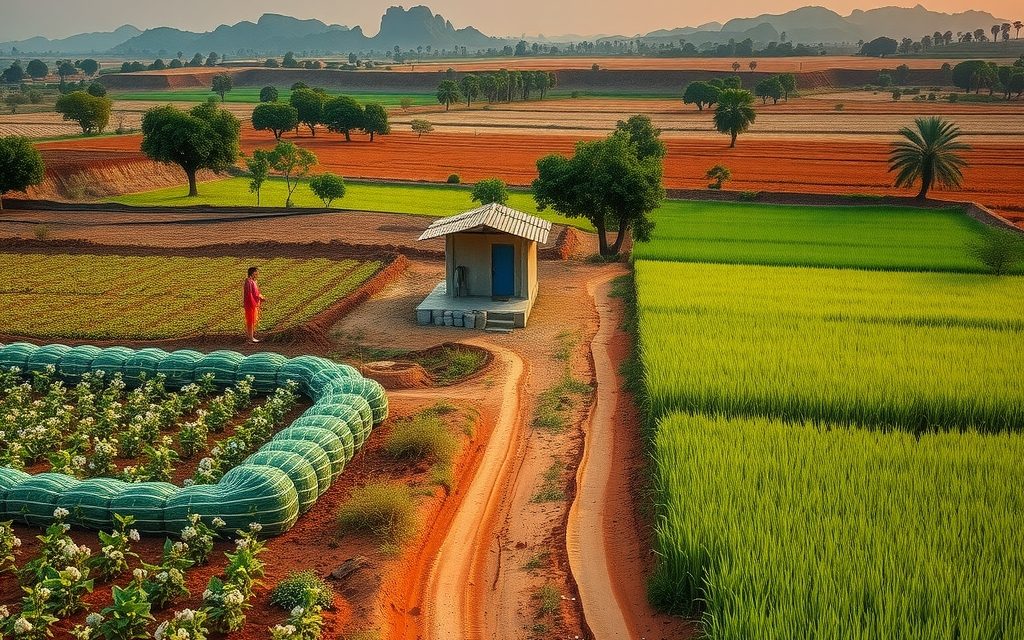
- About 110 km from Hyderabad on NH-65 via the Patancheru ORR exit, Sangareddy and Sadasivpet; Bidar 35 km north
- Borewell-led farming with open wells and tanks; no major canal command, Manjira lift schemes only announced
- Mixed red loam and deep black cotton soils, often within the same village
- Ginger, sugarcane, turmeric, cotton and pulses; mango, sapota and guava orchards
- Agricultural land registers at the mandal tahsildar office; plots and converted land at the Zaheerabad SRO
| What | Indicative range | Note |
|---|---|---|
| NH-65 frontage, Sadasivpet–Zaheerabad stretch and near town | ₹80 L – ₹2 Cr per acre | indicative, Oct 2026 |
| Peri-urban land within ~6 km of Zaheerabad town, BT road | ₹50 L – ₹1.2 Cr per acre | indicative, Oct 2026 |
| NIMZ periphery villages outside the acquisition boundary | ₹30 L – ₹60 L per acre | indicative, Oct 2026 |
| Interior black or red soil with borewell, 10–25 km | ₹15 L – ₹35 L per acre | indicative, Oct 2026 |
| Dry land toward the Karnataka border or poor access | ₹10 L – ₹20 L per acre | indicative, Oct 2026 |
| Farm plots in gated farm ventures near the highway | ₹1.5 L – ₹4 L per gunta | indicative, Oct 2026 |
Ranges reflect recent transactions and advisor observation as of 2026-10. Always verify against the sub-registrar market value and the specific parcel.
Zaheerabad is the last Telangana town on the Mumbai highway before Karnataka. Bidar is about 35 km to the north, the Mahindra tractor plant marks the edge of town, and the fields around Kohir and Nyalkal grow ginger, sugarcane and Bengal gram on a mix of black and red soils. Agriculture land in Zaheerabad has long been some of the cheapest irrigated-by-borewell land within a two-hour drive of Hyderabad, and that is now changing because of one acronym: NIMZ, the National Investment and Manufacturing Zone planned across Nyalkal and Jharasangam mandals. This guide explains what the land is like, what it costs per acre as of October 2026 at different distances from town and the highway, how the industrial plans affect farmland, and which documents to check before you buy in Sangareddy district's western corner.
Zaheerabad is a town and mandal in Sangareddy district. The farm market around it takes in Zaheerabad rural, Kohir, Nyalkal, Jharasangam, Mogudampally and adjoining villages, extending toward Sadasivpet on the Hyderabad side and toward the Karnataka border on the north and west. Village names on both sides of the border are sometimes similar, so the first thing we confirm is that the survey number sits in Telangana and in the mandal the seller says it does.
Agriculture land in Zaheerabad at a glance
- Distance: about 110 km from central Hyderabad on NH-65; roughly 85 km from the Patancheru ORR exit.
- District and registration: Sangareddy district; agricultural land registers at the mandal tahsildar office, plots and converted land at the Zaheerabad SRO.
- Water: mostly borewells, with open wells, village tanks and some rainfed land. No large canal command.
- Soils: red loams and patches of deep black cotton soil, often within the same village.
- Crops: sugarcane, ginger, turmeric, cotton, maize, soybean, red gram and Bengal gram; mango, sapota and guava orchards.
- Typical parcels: 2 to 10 acres of patta land, with larger blocks more available than closer to Hyderabad.
On the Mumbai highway: getting to Zaheerabad
The route from Hyderabad is NH-65, the old Mumbai highway. Leave the Outer Ring Road at the Patancheru exit and head west through Isnapur, Sangareddy and Sadasivpet to Zaheerabad. The highway has been widened along most of this stretch, and on a clear morning the drive from Gachibowli takes about two hours, slightly more from the eastern side of the city.
- Patancheru ORR exit to Zaheerabad: about 85 km.
- Sangareddy: about 55 km east; Sadasivpet: about 30 km east on the highway.
- Bidar, Karnataka: about 35 km north, with its own markets, colleges and hospitals.
- Humnabad, Karnataka: about 45 km west on NH-65 toward Solapur and Pune.
- Regional Ring Road: the planned northern arc of the RRR is expected to cross NH-65 near Sangareddy, improving freight links to NH-44 and the eastern districts.
Zaheerabad station sits on the Vikarabad–Bidar line, with trains toward Vikarabad and Secunderabad. Rail matters for future industrial freight more than for land buyers, but it is part of why the area was chosen for industrial development.
NIMZ and the industrial smart city: what it means for farmland
The National Investment and Manufacturing Zone at Zaheerabad was planned on a large tract, over ten thousand acres, mainly in Nyalkal and Jharasangam mandals. Land acquisition has been gradual and at times contested, and some farmers challenged it. In 2024, the Union Cabinet approved Zaheerabad as one of several new industrial smart cities under the National Industrial Corridor Development Programme, which adds central backing to the plans.
For a farmland buyer, NIMZ cuts both ways.
- Inside the notified area: land is or may be acquired. Do not buy it. Even if a seller still holds a passbook, a sale may be blocked or the land acquired at compensation rates that bear no relation to the price you pay.
- On the periphery: villages just outside the acquisition boundary have seen strong demand from investors expecting housing, warehousing and services to follow industry. Prices here have moved well above interior farmland.
- Further out: land 15 to 25 km from the zone is still priced mainly on water and soil, with only a modest NIMZ premium.
Industrial zones take many years to fill. Our advice is to buy periphery land only at prices you would be comfortable with if industry arrives slowly, and to confirm the notified boundary from official records rather than from a broker's map.
Water: borewells, the Manjira and promised lift schemes
Zaheerabad does not sit in a major canal command. More than half the farming runs on borewells, with open wells, village tanks and rainfed land making up the rest.
Borewells and open wells
Bore depths vary sharply between black-soil and red-soil areas and between valleys and uplands. In good pockets, usable water is found at 200 to 400 feet; in drier uplands toward the border, 500 feet and more is common, and dry bores are a real risk. Older open wells still irrigate small areas in lower-lying villages and are a good sign of shallow groundwater. Ask for the May yield of any bore and look at how neighbours' crops held up in the last dry year.
The Manjira and Singur
The Manjira river flows through Sangareddy district to the east, and the Singur reservoir on the Manjira supplies drinking water to Hyderabad and irrigation downstream. Zaheerabad itself does not receive canal water from Singur. Lift schemes have been announced to take water from the Manjira system to the dry uplands of Zaheerabad, Narayankhed and Andole, but they are at early stages. Price land on its current water, and treat any lift water as possible future upside.
Tanks and watershed works
Village tanks restored under Mission Kakatiya and watershed works help recharge. Land just below a tank bund, within its ayacut, generally has better groundwater than land on the ridges above it.
Black soil, red loam: ginger, sugarcane and pulses
Zaheerabad's soils are a patchwork. Deep black cotton soils hold moisture well and support sugarcane, soybean, Bengal gram and jowar, often on residual moisture after the monsoon. Red loams drain freely and suit ginger, turmeric, cotton, maize and orchards. It is common to find both within one village, sometimes within one holding.
- Ginger: Zaheerabad and Kohir mandals are known for ginger, an input-heavy, high-value crop that needs well-drained soil and steady water.
- Sugarcane: long established on black soils with good bores, supplying regional sugar mills, though mill operations in the area have had ups and downs.
- Turmeric: grown on red loams with irrigation.
- Cotton, maize and soybean: the main kharif crops.
- Red gram and Bengal gram: important pulses, Bengal gram especially on black soils in rabi.
- Orchards: mango, sapota and guava, increasingly on drip.
Indicative price bands for Zaheerabad farm land
These per-acre ranges are based on recent transactions and advisor observation as of October 2026. They are indicative only, and parcels can move outside them for water, frontage, title and proximity to NIMZ.
| Parcel type and location | Indicative range | What moves the price |
|---|---|---|
| NH-65 frontage on the Sadasivpet–Zaheerabad stretch and near town | ₹80 L – ₹2 Cr per acre | Highway visibility, commercial and warehouse use |
| Peri-urban land within about 6 km of Zaheerabad town, BT road | ₹50 L – ₹1.2 Cr per acre | Layout potential, town growth |
| NIMZ periphery villages, outside the acquisition boundary, BT road | ₹30 L – ₹60 L per acre | Industrial expectations, access |
| Interior black or red soil with borewell, 10–25 km | ₹15 L – ₹35 L per acre | Bore yield, soil type, approach road |
| Dry land toward the Karnataka border or with poor access | ₹10 L – ₹20 L per acre | Water risk, access, rockiness |
| Farm plots in gated farm ventures near the highway | ₹1.5 L – ₹4 L per gunta | Fencing, plantation, maintenance terms |
The big gap between interior farmland and NIMZ-periphery land is the single most important thing to understand here. You can buy productive black-soil land with a good bore at a fraction of the periphery price; or you can pay for industrial expectations. Both are valid choices, but they are different investments with different risks.
Villages and belts around Zaheerabad
Zaheerabad rural and the highway villages
Villages along NH-65 east and west of town carry highway and town premiums. Interior villages a few kilometres off the highway offer far better value for farming. If you want a building plot near town rather than farmland, see our page on open plots in Zaheerabad.
Kohir
South-east of Zaheerabad, Kohir is ginger and sugarcane country with mixed soils and a strong borewell culture. Prices are mostly agricultural, and serious farmers are active buyers. Because ginger rewards well-drained red loam with steady water, parcels with proven bores here can sell at the upper end of the interior band, and good land rarely stays on the market long. Buyers who want working farmland close to the highway but without highway prices often find Kohir the best compromise.
Nyalkal and Jharasangam
These mandals host most of the NIMZ footprint. Parcels here require the most careful checking: some are inside the acquisition area, some just outside, and the price difference between the two can be dramatic.
Mogudampally and the Bidar side
North toward Bidar, land is drier in places and cheaper. Buyers looking for large, low-cost blocks for orchards sometimes focus here, accepting higher water risk.
Toward Sadasivpet
East along the highway, land becomes progressively closer to Hyderabad and more expensive. Our guide to agriculture land in Sadasivpet covers that stretch, and farm land in Sangareddy covers the district headquarters belt.
Weekend farm or working farm?
At about two hours from western Hyderabad, Zaheerabad sits at the outer edge of what most families will drive for a weekend. Some buyers do it happily, especially those living in Kondapur, Gachibowli or the Patancheru–Tellapur side, who reach the Patancheru exit quickly. For others, the drive is the reason they end up visiting twice a year rather than twice a month.
Decide which you are before you buy. If the land is mainly a working farm, leased to a local farmer or run by a manager, distance matters less, and Zaheerabad's lower prices and larger blocks are a real advantage. If it is mainly a weekend retreat, you will want a reliable bore for a house and garden, a caretaker, fencing and some shade trees, and you should weigh the extra hour of driving against paying more for land nearer Sangareddy or Sadasivpet.
There is also a middle path many clients choose: buy a productive parcel, lease most of it to a neighbouring farmer, and keep a fenced acre near the approach road with a small shed, a farm pond and fruit trees for family visits. That keeps the land cultivated and watched over, earns a modest lease, and still gives you somewhere to spend a day.
Types of parcels you will find
Patta farm land is the core of the market: 2 to 10 acres with a pattadar passbook, black or red soil, typically one or two borewells. Larger blocks of 15 to 30 acres are available more often than near Hyderabad.
Orchards of mango, sapota and guava appear occasionally, usually on red soil with drip. Inspect the trees and ask for lease or yield history.
Farm plots in ventures exist along NH-65 but are a smaller market than in Shankarpally or Chevella. Insist on a registered sale deed for a defined portion of a specific survey number, and ignore any promise of "layout approval" on agricultural land.
Highway and periphery land priced on NIMZ or commercial use. Treat it as an industrial-adjacent investment, not a farm purchase, and model what you would do if development takes a decade.
Reading a Zaheerabad parcel on site
Because soils change within a village, a site visit here needs more than a glance from the road.
- Check the soil at several points: black soil that cracks in summer and red loam that drains quickly need different crops and different water.
- Test the borewell: ideally in April or May, with the pump running for long enough to see whether yield holds.
- Look at neighbouring crops: sugarcane or ginger next door is a good sign of water; rainfed cotton suggests caution.
- Walk the approach: black-soil cart tracks become impassable in the monsoon. An all-weather approach matters for harvests and resale.
- Confirm the boundary and NIMZ status: with a licensed surveyor and the official notification, not with the seller's sketch.
Leasing and managing land as an absentee owner
Most Zaheerabad landowners who live in Hyderabad lease their land to local farmers. The arrangement is usually a fixed annual rent per acre, settled around harvest time, under a short written lease. Rents depend heavily on water: a parcel with two strong bores that can grow sugarcane or ginger commands a much higher rent than rainfed black soil that grows a single crop of soybean or Bengal gram.
A few practical points help absentee owners:
- Keep leases short and written: one to three years, renewable, with clear terms on borewell maintenance, power bills and who may plant trees.
- Keep your records current: make sure the record of rights, passbook and power connection are in your name after purchase.
- Visit around harvest: it is the natural time to collect rent, see the crop and meet neighbours.
- Protect boundaries: visible boundary stones or fencing discourage gradual encroachment, which is far harder to reverse than to prevent.
- Be careful with long-duration crops: sugarcane is a twelve-month crop and ratoons can extend it; agree in advance when the land must be returned.
Lease income is modest relative to land prices, so treat it as covering upkeep and keeping the land productive. The main return from Zaheerabad land comes from long-term appreciation, whether driven by agriculture, town growth or industrial development.
Legal checklist for Zaheerabad agriculture land
- NIMZ and acquisition status: confirm the survey number is outside any notified or proposed acquisition area for NIMZ, highway widening or other projects.
- Pattadar passbook and record of rights: names, survey number, extent and classification must match the online record on the Telangana land records portal, now on Bhu Bharati.
- Pahanis and 1B: check classification and cultivation history for government, inam or assigned entries.
- 30-year encumbrance certificate: for every survey number, checking mortgages, agreements and attachments.
- Link documents: the full chain of sale, partition, gift and succession documents.
- Survey and FMB: boundary fixing by a licensed surveyor against the village map; important near the state border.
- Section 22-A list: government, endowment and wakf lands cannot be registered.
- Assigned land: generally non-transferable under the POT Act; avoid GPA-based offers.
- Tank and stream buffers: no private sale within full tank level; construction restricted in buffers.
- Ceiling and forest: relevant for larger blocks and land near forest patches.
- NALA and 58/59: verify orders for any claimed conversion or regularisation, and check land use in any local master plan for fringe parcels.
Registration at the Zaheerabad SRO and tahsildar office
Agricultural land is registered at the mandal tahsildar office, where the tahsildar acts as joint sub-registrar, and mutation happens with the registration through a slot booked on the land records portal. Open plots and NALA-converted land register at the Zaheerabad sub-registrar office. We confirm the correct office from the survey number.
| Charge | Approximate rate | Notes |
|---|---|---|
| Stamp duty | About 4% | On the higher of consideration and market value |
| Transfer duty | About 1.5% | Verify for agricultural land in your village |
| Registration fee | About 0.5% | Payable at registration |
| Mutation fee | Nominal per acre | With agricultural registration |
Budget roughly 6 percent for duties and fees, plus survey and legal costs. Rates and market values change, so we confirm current figures on the day through the Telangana registration department. The 1 percent TDS on purchases above ₹50 lakh does not apply to rural agricultural land, but land near municipal limits may not count as rural, so a CA should confirm.
Pricing and negotiation in a market with two stories
Sellers around Zaheerabad have heard a great deal about NIMZ and the industrial smart city, and many now quote prices based on what periphery land has fetched rather than on what their own land can grow. In interior villages, that often means asking prices well above recent registered sales. In periphery villages, it can mean prices that already assume factories, housing and roads that are still years away.
We cut through this with evidence. Before an offer, we gather registered sale values for comparable land nearby, the government market value, the parcel's tested water, its soil and approach, and any title gaps that need fixing. We also check the distance to the NIMZ boundary on the official map, because a parcel that is "next to NIMZ" in a broker's description can turn out to be several kilometres away.
Timing helps too. Many transactions in this belt happen after the kharif harvest in November and December and after rabi pulses come off the black soils in February and March, when sellers have cash flow clarity and the land is clear of standing crops. A summer visit tells you most about water. Pay only a modest token until documents are verified, with a written agreement that sets out timelines and what happens if title problems emerge.
If you are weighing Zaheerabad against other value markets west of Hyderabad, our page on agriculture land in Vikarabad offers a useful comparison of price, water and drive time.
Who should buy in Zaheerabad, and who should not
Good fit: buyers who want productive farmland at a lower per-acre price within about two hours of Hyderabad; farmers growing ginger, sugarcane or pulses; orchard planters who want larger blocks; and long-term investors willing to hold periphery land through NIMZ's slow build-out.
Not a fit: anyone who needs assured canal water; buyers who want quick gains from industrial announcements; and weekend-farm seekers who want lush, green land without investing in water. Black-soil Tandur, to the south in Vikarabad district, is another value market worth comparing; see farm land in Tandur.
NRI note: farmland near Zaheerabad
Under FEMA, NRIs and OCI cardholders cannot purchase agricultural land, plantation property or farmhouses in India. They can inherit agricultural land from a resident Indian, but cannot receive it as a gift; inherited farm land may later be sold only to a resident Indian. NRIs interested in the Zaheerabad growth story can look at open plots in approved layouts or residential property, which are permitted. Our page on NRI agriculture land rules in Telangana explains the limits, and our broader NRI investment guide for Telangana covers permitted alternatives. Consult a CA for tax and repatriation.
How NRR Estates helps
We are advisors, with fees disclosed before any commitment. Around Zaheerabad, we confirm NIMZ and acquisition status first, shortlist parcels by soil, water and purpose, test borewells in the dry season, walk boundaries with a licensed surveyor, verify passbooks, Bhu Bharati records, pahanis, ECs and link documents, negotiate using recent comparable transactions, and manage registration and mutation at the tahsildar office or Zaheerabad SRO until your name appears in the record of rights.
Zaheerabad agriculture land: FAQs
What is the price of agriculture land in Zaheerabad per acre?
As of October 2026, indicative ranges are about ₹15 lakh to ₹35 lakh per acre for interior black or red soil land with a borewell 10 to 25 km from town, ₹10 lakh to ₹20 lakh for dry land toward the Karnataka border, and ₹30 lakh to ₹60 lakh in villages on the NIMZ periphery. NH-65 frontage and peri-urban land near town range from about ₹50 lakh to ₹2 crore per acre. These figures come from recent transactions and advisor observation.
How does NIMZ affect farm land in Zaheerabad?
The National Investment and Manufacturing Zone is planned over a large area, mainly in Nyalkal and Jharasangam mandals, and Zaheerabad was approved as an industrial smart city in 2024. Land inside the notified area may be acquired, so you should not buy it. Villages just outside the boundary have seen strong investor demand and higher prices. Land further away is still priced mostly on water and soil. We confirm the boundary from official records before any offer.
Is there canal irrigation near Zaheerabad?
Not on a significant scale. Farming around Zaheerabad relies mainly on borewells, with open wells, village tanks and rainfed land. The Singur reservoir on the Manjira supplies Hyderabad and downstream areas but not Zaheerabad's fields. Lift schemes to take Manjira water to the uplands of Zaheerabad, Narayankhed and Andole have been announced but are at early stages. We value land on its current water and test borewells in the dry season before recommending a price.
What crops grow well around Zaheerabad?
Black cotton soils support sugarcane, soybean, Bengal gram and jowar, often on residual moisture after the monsoon. Red loams suit ginger, turmeric, cotton, maize and orchards. Zaheerabad and Kohir are known for ginger, an input-heavy, high-value crop that needs good drainage and steady water. Mango, sapota and guava are the main orchard crops, increasingly grown on drip. Because soils change within a village, we check soil type at several points on every parcel.
How far is Zaheerabad from Hyderabad?
Zaheerabad is about 110 km from central Hyderabad on NH-65, the Mumbai highway. From the Patancheru exit on the Outer Ring Road it is roughly 85 km through Sangareddy and Sadasivpet, typically around two hours from Gachibowli in clear traffic. That suits buyers who want a working farm leased to a local farmer, or those in western Hyderabad willing to drive for an occasional weekend. Bidar in Karnataka is about 35 km north.
Where is farm land registered in Zaheerabad?
Agricultural land is registered at the mandal tahsildar office, where the tahsildar acts as joint sub-registrar, and mutation into the buyer's name happens at the same time through a slot booked on the state land records portal. Open plots and land converted under NALA register at the Zaheerabad sub-registrar office. Stamp duty, transfer duty and registration fee together come to roughly 6 percent of market value, which we verify on the day.
Can an NRI buy agricultural land near Zaheerabad?
No. FEMA rules bar NRIs and OCI cardholders from purchasing agricultural land, plantation property and farmhouses in India. They can inherit agricultural land from a resident Indian, but cannot receive it as a gift; inherited farm land may later be sold only to a resident Indian. NRIs interested in Zaheerabad's growth can buy open plots in approved layouts or residential property, which are permitted. A resident relative may buy farmland with their own funds, but your money should not be routed through them. A CA should advise on tax and repatriation.
Should I buy near NIMZ or in the interior villages?
It depends on what you want. Interior villages such as those in Kohir offer productive black or red soil with good bores at a fraction of periphery prices, suited to farming, orchards or long-term holding. NIMZ periphery land is an industrial-adjacent investment that pays for expectations of factories, housing and services, which may take years. Both are reasonable if priced correctly. We help you compare with recent registered sales and a realistic view of development timelines.
Related guides
District-headquarters farm land on the Mumbai highway, 25 km past the Patancheru ORR exit. Red loam and black soil, cotton and maize country, larger blocks at a fraction of inner-ring prices.
Affordable dryland acreage on Telangana's limestone plateau near the Karnataka border, about 110 km from Hyderabad. Indicative per-acre prices, how to judge borewells in limestone, and the quarry and mining-lease checks that matter.
Hill-country farm land at about 2,000 ft, 45–50 km beyond the ORR. Low per-acre prices, cooler weekends and mango or custard apple orchards, with forest boundaries and water as the key checks.

NRIs and OCIs cannot buy or receive gifts of agricultural land, plantations or farmhouses; inheritance is the only route. What inherited land allows, why benami workarounds are dangerous, and the lawful alternatives near Hyderabad.

What NRIs and OCIs can and cannot buy under FEMA, how to fund and register a purchase from abroad, TDS and repatriation basics, and where the opportunities are across Hyderabad and the Telangana districts.
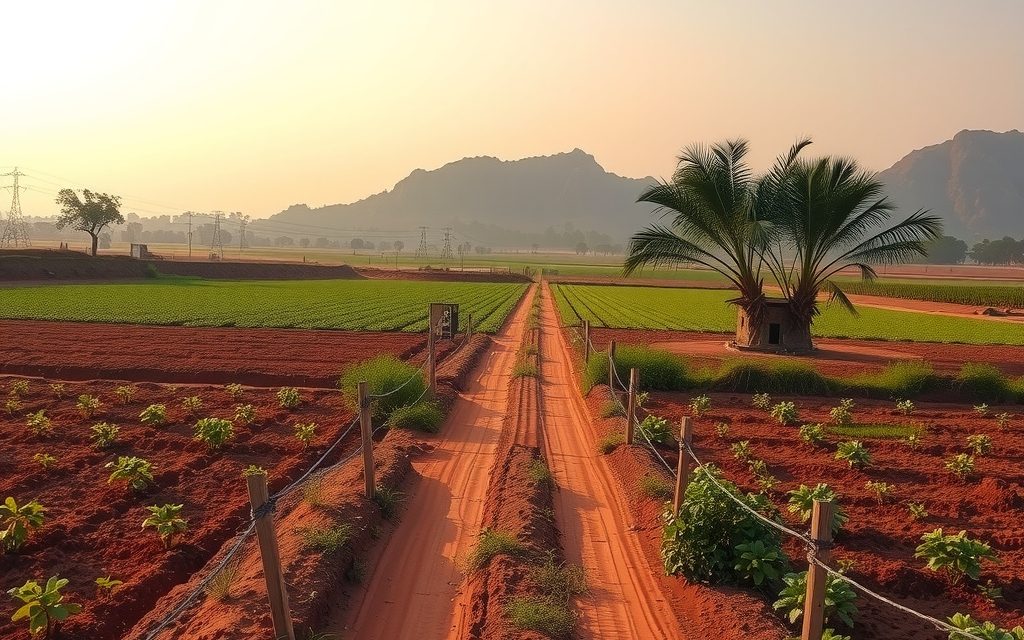
Deep black cotton and soybean land on the Penganga plains, about 300 km from Hyderabad on NH-44. Indicative per-acre bands by distance, and how to screen for 1/70 Scheduled Area villages and forest lines first.
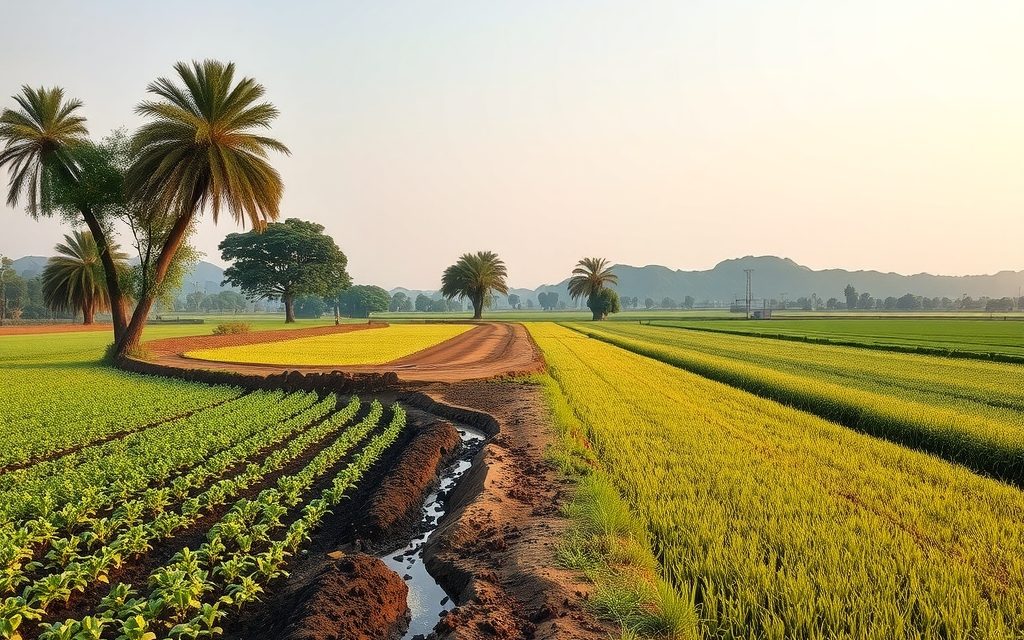
Armoor is Nizamabad district's turmeric and red-jowar town on NH-44, where Gulf remittances keep farmland tightly held. Indicative per-acre bands, borewell and Godavari water facts, FEMA rules for Gulf workers and the title checks that matter.
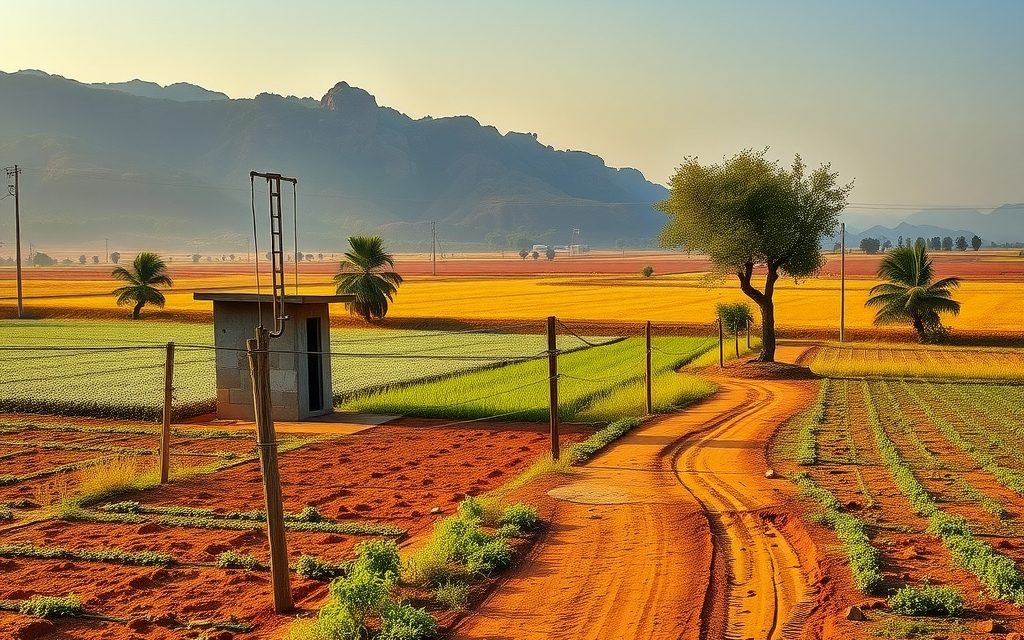
Farm land around the Bhongir fort town on NH-163, 30–35 km past the ORR. Village-by-village guide, honest water and Baswapur canal picture, RRR context, indicative per-acre prices and the title checks this district needs.